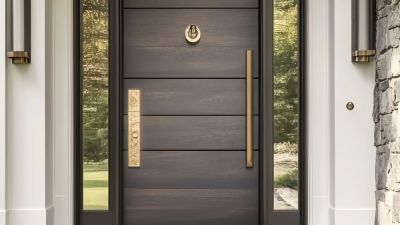
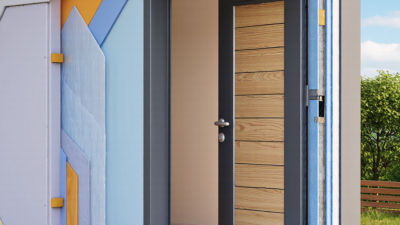
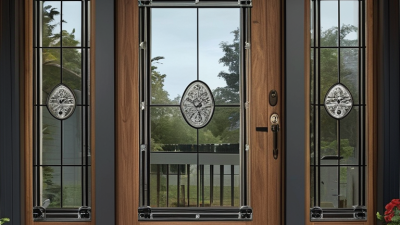
Picking a front door isn’t just about style. It plays into how comfortable your home feels, how much upkeep it needs, how secure it is, and what it’s worth down the road. In this guide, Aluminum Vs Wood Front Door gets looked at through real-world performance—not just how it shines in a showroom. Aluminum doors tend to give you slim profiles, finishes that resist corrosion, and dimensions that stay stable. Wood doors bring natural grain, a lot of visual warmth, and the flexibility to refinish them. A Modern Wood Front Door can make a plain facade feel more welcoming, but it might need closer attention to moisture and sunlight.
Energy performance is worth reading carefully. The U.S. Department of Energy says heat gain and heat loss through windows account for about 25% to 30% of residential heating and cooling energy use. Doors aren’t windows, of course, but the same ideas matter: low-e glass, insulated cores, weatherstripping, and a proper installation can cut down unwanted air movement. The National Fenestration Rating Council recommends checking certified U-factor and Solar Heat Gain Coefficient values when they apply. A good-looking door can still perform badly if its frame leaks air.
Market data gives us another angle. Zonda’s 2024 Cost vs. Value Report found that an upscale steel entry door replacement recovered more than its original cost nationally. That said, it doesn’t directly compare aluminum with wood. So the evidence is useful, but not perfectly clean. Local climate, exposure, hardware quality, and installer skill can all change the outcome. I’ve seen a carefully sealed wood door stay attractive for years, while a poorly detailed metal door ended up with cold edges and visible condensation. The better choice really depends on the building, the budget, and how honest you are about maintenance.
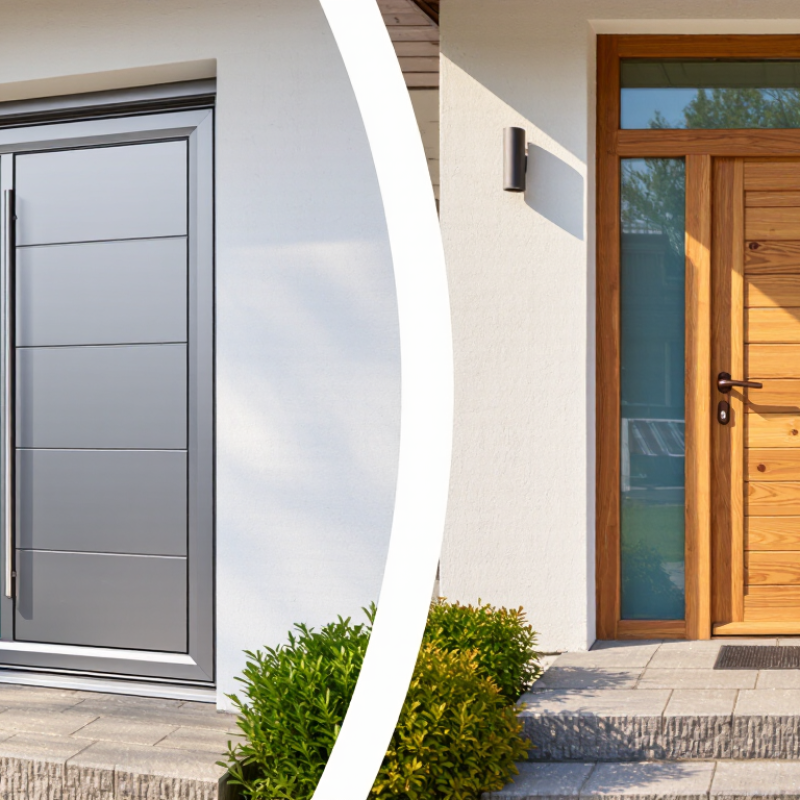
Aluminum and Wood Front Doors: Basic Material Differences
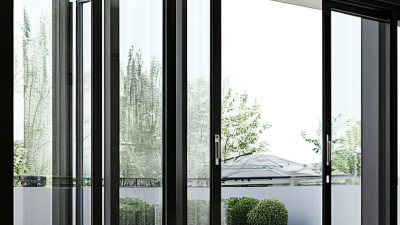
Aluminum and wood front doors differ in structure, feel, and daily performance. Aluminum is lightweight, dimensionally stable, and resistant to moisture, making it practical for exposed entrances. A quality frame may include a thermal break, which reduces heat transfer through the metal. However, aluminum can dent, scratch, or feel cold without proper insulation.
Wood offers natural warmth and a more tactile surface. Its grain, weight, and subtle movement can make an entryway feel distinctive. Yet wood absorbs moisture and may swell around the lower edge after repeated rain. It needs careful sealing, especially near the threshold. A Solid Wood Fire Door is not automatically fire-rated; its complete tested assembly and installation must meet applicable requirements. This detail is often overlooked.
Tips: Check the door’s core, frame, seals, hinges, and drainage design together. Touch the sample surface on a hot afternoon. Notice how quickly it gains heat. For wood, inspect end grain and finish coverage. For aluminum, ask about insulation and repair options. My preference can change with the site. A shaded, sheltered porch may suit wood beautifully, while a wet coastal entrance may expose its weaknesses. Neither material is flawless. Door performance depends on construction quality, installation, and maintenance as much as the material itself.
Evaluating Insulation, Energy Efficiency, and Security
Choosing between an aluminum and wood front door depends less on appearance than on the complete door system. Aluminum conducts heat quickly, so an uninsulated frame can create a cold indoor edge in winter. Thermal breaks, insulated cores, and properly fitted weatherstripping improve its performance. Wood naturally resists heat transfer better, but swelling, shrinking, and worn seals can reduce that advantage. The U.S. Department of Energy reports that windows and doors are responsible for significant residential heat gain and loss, while ENERGY STAR data places window-related energy loss and gain near 25–30% of household heating and cooling use. Doors are only part of that figure, but the warning is useful.
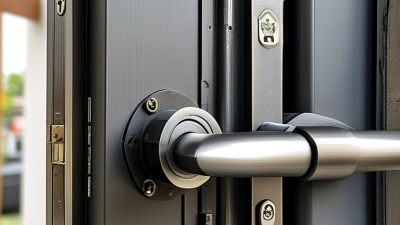
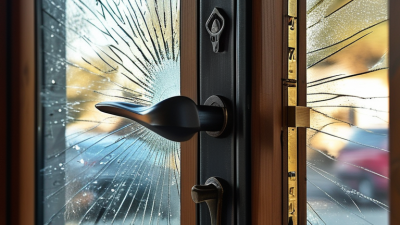
Check the NFRC label, not just the material. A lower U-factor indicates better insulation, while air-leakage ratings reveal how well the assembly blocks drafts. During inspections, I look for daylight beneath the threshold, compressed seals, and moisture near the lower corners. Small gaps matter. Security also depends on the frame, hinges, strike plate, glazing, and lock installation. A strong aluminum frame can resist forced impact, while a solid wood slab can provide mass and stiffness. Neither is automatically safer. A poorly anchored frame remains a weakness. Industry testing under standards such as ASTM F476 evaluates door assembly resistance, but real installation quality is often overlooked. An experienced Aluminum Front Door Wholesaler should provide tested performance data, thermal-break details, and installation guidance. I would still question vague claims. Performance labels can look impressive, yet the weakest seal usually decides comfort.
Maintenance Needs, Design Options, and Environmental Impact
Choosing between an aluminum and wood front door involves more than appearance. Maintenance, design flexibility, and environmental impact can change the better option.
In my experience, aluminum doors handle rain, strong sunlight, and temperature changes with fewer daily concerns. Their powder-coated surfaces usually need gentle washing and occasional inspection around hinges and seals. Scratches still matter. Exposed metal can corrode, especially near salty air, unless repairs happen promptly. Aluminum also supports slim frames, wide glass panels, and modern colors. The material feels precise, but sometimes less welcoming.
Wood feels warmer. It offers visible grain, carved details, and many stain choices. However, it needs more attention. A painted or stained wood door may require sealing every few years, depending on exposure and local humidity. I have seen neglected lower edges swell after repeated wet weather. That repair is possible, but it is rarely convenient. Wood also expands and contracts, so accurate installation matters.
Environmental performance is less straightforward. New aluminum requires substantial energy, while recycled aluminum can reduce its impact significantly. Responsibly sourced wood stores carbon during its service life, but coatings and early replacement weaken that advantage. Door longevity matters more than a simple material ranking. I sometimes favor wood for sheltered entrances and aluminum for exposed façades. That preference can change after seeing the site conditions, because real weather is less predictable than product samples.
Aluminum vs. Wood Front Door Costs and Long-Term Value
Aluminum vs. Wood Front Door Costs and Long-Term Value
Aluminum front doors usually cost less to maintain than wood doors. Installed prices vary by size, glazing, insulation, and local labor. The 2024 RSMeans Residential Cost Data shows that door installation costs rise sharply with custom framing and premium hardware. Aluminum resists rot, insects, and moisture, but cheaper frames can dent or develop thermal bridges. Ask an Aluminum Front Door Manufacturer for thermal-break details and tested U-factor values.
Wood doors often require periodic sealing, especially where rain reaches the lower rail. That maintenance adds labor and material costs over a decade. A shaded, protected wood door may age beautifully. An exposed door can swell, crack, and lose its seal sooner. It depends heavily on installation quality. This is easy to underestimate.
The 2024 Cost vs. Value report recorded an average 188.1% cost recoup for a steel entry-door replacement. That figure is not a direct aluminum-versus-wood comparison, but it shows how entry-door upgrades can influence resale value. Energy savings need careful checking. The U.S. Department of Energy recommends comparing whole-door U-factor and air-leakage performance, not material alone. A well-installed aluminum door with insulated glazing may outperform a poorly sealed wood door. Still, wood can offer stronger visual character and easier surface repair. My practical concern is long-term fit: a beautiful door that sticks every winter is not good value.
How to read this comparison: Aluminum doors generally have a lower installed cost and require less routine maintenance. Wood doors typically cost more initially and require regular staining, sealing, or painting. The figures represent approximate U.S. residential estimates for a standard exterior front door, including a 30-year maintenance allowance and one potential replacement cycle.
Aluminum Double Glazed Pivot Doors: Creating a Grand, Energy-Efficient Glass Entryway
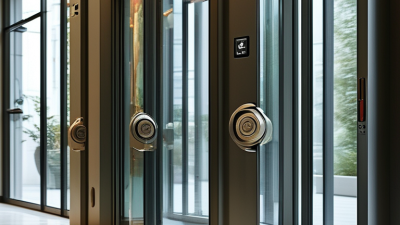
Aluminum double glazed pivot doors create a striking entrance where generous proportions, natural light, and modern performance come together. Designed for large-scale residential and commercial spaces, their lightweight yet robust aluminum alloy frames can support oversized insulated glass panels while maintaining a clean, architectural appearance. The expansive glazing opens views and brightens interior spaces, making the entryway feel more welcoming and connected to its surroundings.
The dual-glazed construction also helps reduce heat transfer, supporting a more comfortable indoor environment throughout changing seasons and improving overall energy efficiency. Heavy-duty pivot bearings are engineered to handle the weight of large door panels, allowing smooth, balanced movement and effortless single-handed access. A specialized rolling pull adds practical comfort, making daily operation intuitive even in high-frequency settings. With its combination of structural stability, thermal insulation, and refined visual clarity, this door system is well suited to grand entrances that demand both impressive design and dependable performance.
Conclusion
Choosing between an Aluminum Vs Wood Front Door depends on your home’s priorities, climate, and design preferences. Aluminum doors are typically built with lightweight metal frames and insulated cores, offering strong resistance to moisture, insects, warping, and everyday wear. Wood doors are constructed from solid or engineered wood and provide natural warmth, texture, and a classic appearance. With proper sealing, quality wood can also deliver excellent strength and insulation, while aluminum often offers more consistent weather performance with less upkeep.
Both materials can support secure locking systems, energy-efficient glazing, and various styles, although their maintenance needs differ. Aluminum generally requires occasional cleaning and finish inspections, while wood may need regular staining, painting, and protection from moisture. Aluminum can be highly recyclable, whereas responsibly sourced wood is a renewable option. Initial costs vary by construction and customization, but long-term value depends on durability, maintenance, energy performance, and the lifespan expected from the door.