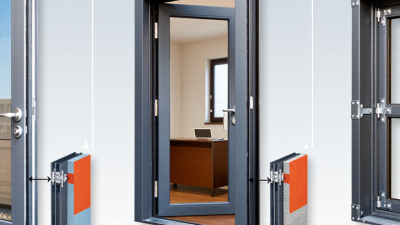
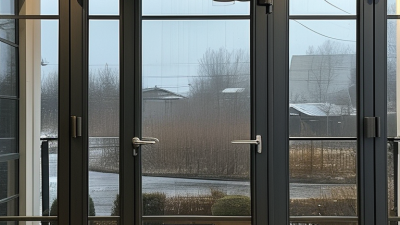
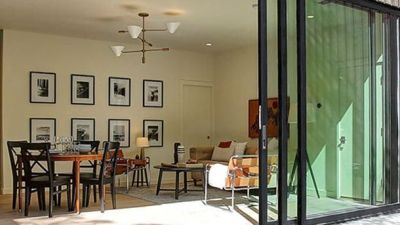
“How long do aluminum doors last?” If you’re shopping around and comparing China’s leading aluminum door manufacturers, that’s probably one of the first things you want to know. In a normal residential setting, a well-made aluminum door can often serve for 30 to 45 years. The National Association of Home Builders’ Study of Life Expectancy of Home Components reports about 45 years for aluminum windows, while the U.S. Department of Energy links service life to climate, installation quality, and maintenance. Doors face heavier daily use, though, so don’t treat that number as a guarantee.
As fenestration consultant Mark Meshulam explains, “A door is only as durable as its weakest component.” That component might be the frame, powder coating, hinges, rollers, lock, or weather seal. This matters when you’re comparing brands like Fuxuan, Paiya, RAX Door, TOSTEM, LIXIL, Kinlong, FENESTA, Hennessey, Oubang, and DEJI. Their brochures may highlight aluminum grades and coating systems, but real performance comes down to tested assemblies and local installation skills. A Long Handle Door, for example, can feel premium while poorly aligned hardware causes early failure.
This guide examines China’s top 10 aluminum door brands through material quality, finish durability, hardware performance, warranty terms, and repair access. Coastal salt air can shorten service life. Aggressive cleaning can damage coatings. And small defects? They matter. A 30-year estimate may sound reassuring, yet it can hide weak seals or unavailable replacement parts. So readers should treat rankings as informed comparisons, not promises. The best choice is the door that matches its climate, traffic level, and maintenance routine.
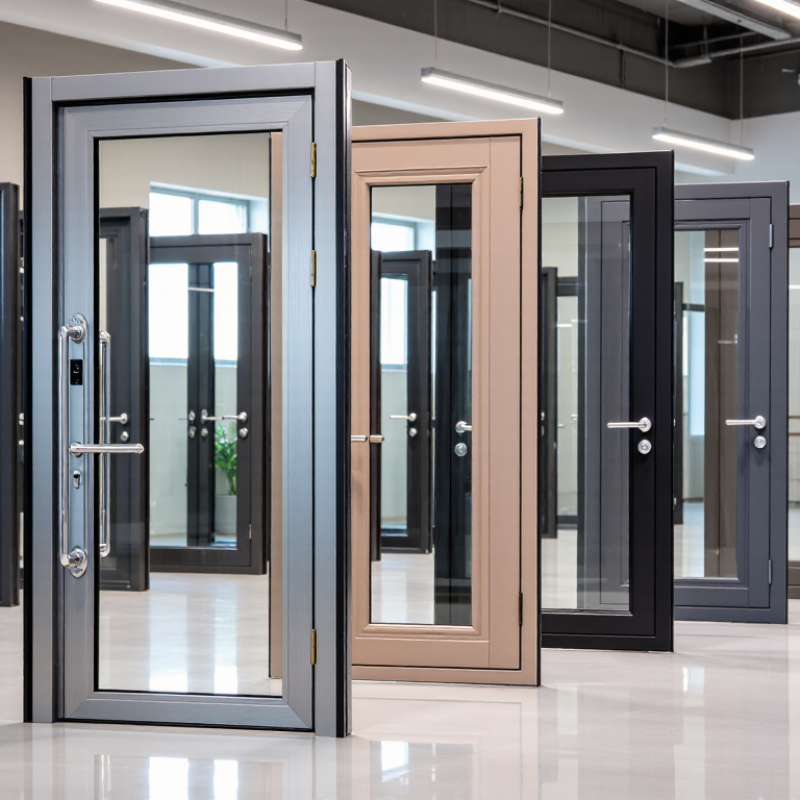
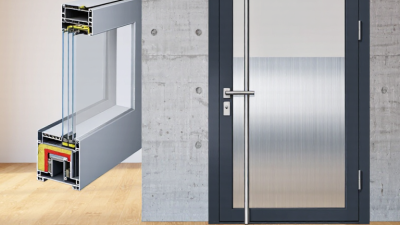
A high-quality aluminum door brand in China begins with controlled materials, not attractive showroom photos. The manufacturer should identify aluminum alloy grades, profile thickness, thermal-break design, and coating specifications. For coastal projects, corrosion-resistant finishes matter. Powder coating should be evenly applied, without pinholes, bubbles, or exposed edges.
Testing reveals more than marketing language. Reliable manufacturers provide documented results for air leakage, water resistance, wind pressure, thermal performance, and hardware cycles. Modern Aluminum Front Doors should close smoothly, keep seals compressed, and remain stable after repeated seasonal changes. Factory quality checks should include corner joints, drainage paths, glass installation, and dimensional accuracy. Small gaps can become expensive problems.
Installation also defines service life. A well-made aluminum door may last 20 to 30 years, but poor fitting can shorten that period sharply. Experienced suppliers explain wall conditions, drainage, anchoring, and maintenance before production. Clear warranties and traceable replacement parts show practical accountability. I have seen beautiful doors fail because installers ignored uneven openings. That is easy to overlook. A dependable brand should welcome inspection, admit product limits, and provide measurable evidence rather than vague promises. I would still question any claim of “maintenance-free” performance. Even premium aluminum doors need seal checks, hardware adjustment, and occasional cleaning.
China Top 10 Aluminum Door Brands: How Long Do They Last?
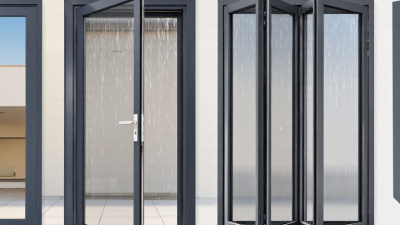
China’s top ten aluminum door manufacturers compete through different market strengths. Some focus on thermal-break systems for cold climates. Others specialize in slim frames, oversized glass, or custom colors. Several suppliers are strong in large residential projects, while others serve hotels, offices, and export distributors. Their product ranges often include sliding, folding, hinged, and lift-and-slide doors.
In practical installations, a well-made aluminum door can serve for 20 to 30 years. The frame usually lasts longer than the hardware and weather seals. Coastal air, poor drainage, and heavy daily use can shorten that period. A reliable supplier should provide alloy specifications, coating standards, hardware details, and test reports. Installation quality matters just as much. A perfectly fabricated door may still leak when the opening is measured poorly.
Market strength is not only about factory size. It also includes engineering support, response speed, replacement parts, and quality consistency between batches. Some leading manufacturers offer detailed shop drawings and project-based testing. Others compete mainly through flexible customization and lower order quantities. That can help smaller developers, but quality control may require closer supervision. I have seen attractive samples fail because the site installation ignored water drainage. The lesson is uncomfortable but useful: reputation cannot replace inspection. Ask for corner samples, finish references, warranty terms, and independent performance evidence before placing a large order.
| Market Strength Area | Typical Service Life | Finish Durability | Best-Suited Applications | Key Competitive Strength | Important Verification Point |
|---|---|---|---|---|---|
| Residential entrance doors | 20–30 years | 10–20 years before potential refinishing | Apartments, villas, townhouses | Broad design selection and cost-efficient customization | Aluminum alloy grade, hardware cycle testing, and installation quality |
| Thermal-break doors | 25–35 years | 15–25 years in moderate climates | Energy-efficient homes and commercial buildings | Improved insulation through polyamide thermal barriers | U-value, air leakage, water tightness, and thermal-break continuity |
| Large sliding doors | 20–30 years | 10–20 years depending on exposure | Patios, balconies, coastal residences | Large-panel fabrication and flexible glazing configurations | Roller load rating, track drainage, sash deflection, and glass specification |
| Commercial storefront doors | 15–25 years | 8–15 years under heavy traffic | Retail stores, offices, restaurants | Fast project delivery and readily replaceable components | Door-cycle rating, closer durability, hinge capacity, and spare-parts support |
| Fire-rated aluminum doors | 15–25 years with maintenance | Varies by tested assembly | Public buildings, corridors, technical areas | Project-specific compliance and engineered door assemblies | Valid fire-test reports, rating duration, glazing approval, and certified hardware |
| Security-focused doors | 20–30 years | 10–20 years in normal exposure | Residential, institutional, and controlled-access facilities | Multi-point locking, reinforced profiles, and access-control integration | Lock compatibility, forced-entry classification, cylinder quality, and frame anchoring |
| Minimal-frame glass doors | 15–25 years | 8–15 years in strong sunlight or marine air | Modern residences, hospitality, and showrooms | Contemporary appearance and made-to-measure fabrication | Glass safety rating, seal replacement access, drainage design, and hardware alignment |
| Coastal and high-humidity doors | 15–25 years with correct coating | Typically 10–20 years; shorter without marine-grade protection | Seaside homes, resorts, humid and tropical regions | Corrosion-resistant coating options and project-specific finishing | Pretreatment process, coating specification, drainage, dissimilar-metal isolation, and maintenance plan |
| Export-standard door systems | 20–35 years depending on specification | 10–25 years depending on coating class and climate | International residential and commercial projects | Adaptation to different regional codes, sizes, glazing, and hardware systems | Country-specific compliance, documented performance tests, packaging, and after-sales capability |
| High-volume project systems | 20–30 years with scheduled servicing | 10–20 years under commercial maintenance programs | Hotels, apartment developments, schools, and offices | Production capacity, standardized quality control, and coordinated delivery | Batch consistency, installation tolerances, inspection records, replacement-part availability, and warranty terms |
Note: The service-life figures are indicative industry ranges for aluminum door systems, not brand-specific guarantees. Actual longevity depends on alloy, coating, climate, usage frequency, hardware quality, installation, cleaning, and preventive maintenance.
China Top 10 Aluminum Door Brands: How Long Do They Last?
How Aluminum Door Materials Affect Service Life
Aluminum doors commonly last 20 to 30 years when their alloy, coating, and hardware suit the local climate. In coastal areas, salt air attacks weak finishes and exposed fasteners. A well-designed thermal break reduces heat transfer and limits indoor condensation. This matters during humid winters. The frame may remain straight, yet hinges, rollers, and seals can fail earlier. Material quality is only one part of service life.
For Modern Metal Entry Doors, thicker profiles offer better resistance to twisting and repeated impact. Powder coating usually protects longer than a thin liquid finish, but surface preparation still decides the result. Stainless steel hardware handles moisture better than ordinary plated parts. During field inspections, technicians often find sound frames that close poorly because installers ignored alignment. That is a practical warning. Even premium materials cannot correct poor drainage or careless installation.
Tips: Ask for the aluminum alloy grade, coating process, and hardware specification before purchase. Check corner joints and drainage slots. Clean salt or dust with mild soap twice yearly. Do not use abrasive pads. Inspect seals every spring, because a small gap can become a costly draft. Service-life estimates are never guarantees; sunlight, cleaning habits, opening frequency, and maintenance change the outcome. A realistic inspection schedule may matter more than a confident sales claim.
Aluminium Pivot Doors from leading Chinese manufacturers commonly serve for 20 to 30 years in residential projects. High-quality systems may last longer. The National Association of Home Builders’ Life Expectancy of Home Components report places aluminum windows near 45 years. However, doors experience heavier movement, impact, and weather exposure. That estimate can feel too neat.
Actual service life depends on alloy quality, coating thickness, drainage, hardware, and installation accuracy. In coastal areas, salt deposits can attack fittings and shorten performance. A properly sealed thermal-break frame usually holds its shape better through seasonal temperature changes. Independent testing under ASTM or EN performance standards also provides stronger evidence than marketing claims. Maintenance still matters. Clean tracks twice yearly. Check gaskets, hinges, rollers, and locking points before they become stiff or noisy. A small adjustment can prevent a large replacement bill.
For a realistic purchasing assessment, request test reports, warranty terms, spare-hardware availability, and completed-project references. The Chinese door industry includes many quality levels, so country of origin alone cannot predict durability. A 25-year frame may still need new rollers after eight years. In my experience, installation defects often appear before material fatigue. Review the wall opening, drainage path, and fastener spacing carefully. Some performance figures remain estimates, not guarantees.
Aluminum doors commonly last 25 to 40 years, but that range depends heavily on design, installation, and maintenance. The U.S. Department of Energy’s Energy Saver guidance identifies windows and doors as important paths for heat loss and air leakage. Worn seals can therefore affect comfort long before the aluminum frame fails. In practice, a loose roller, blocked drainage channel, or poorly adjusted latch often causes early problems.
Weather Exposure & Performance Weather exposure is a major durability factor. Coastal salt can corrode untreated hardware and damage coating edges. Strong sunlight also increases thermal movement, especially on dark finishes. Modern Black Sliding Patio Doors may absorb more heat than lighter surfaces, so the frame, glass, and rollers need compatible expansion allowances. The FGIA 2023 North American Fenestration Standard evaluates air leakage, water resistance, and structural performance through laboratory testing. These ratings are useful, but they do not guarantee a fixed service life.
Installation quality matters just as much. A level sill supports smooth rolling and prevents uneven gasket pressure. Annual cleaning should remove grit from tracks, while drainage holes must remain open. Use manufacturer-approved lubricant sparingly. Too much oil attracts dust. A 2022 study from the National Fenestration Rating Council also reinforces the value of certified performance data when comparing energy-related properties. Still, laboratory results cannot fully represent a neglected doorway in heavy rain. That is the uncomfortable part. A premium frame can age badly when small defects are ignored.
China Top 10 Aluminum Door Brands: How Long Do They Last?
A quality aluminum door can serve for 20 to 30 years, but the frame is only one part of the calculation. In project inspections, I check coating thickness, corner joints, drainage paths, glass seals, and hardware movement. A strong frame cannot compensate for a weak roller or poor installation. Coastal air, heavy rain, and intense sunlight may shorten service life. Location matters more than many buyers expect.
When comparing warranties, read the exclusions carefully. A ten-year frame warranty may cover structural failure, but not fading, scratches, locks, rollers, or installation problems. Ask whether labor, replacement parts, and transport are included. Request the warranty in writing. Verbal promises are difficult to verify later. Also check when coverage begins and whether maintenance records are required.
Maintenance should be practical, not decorative. Clean tracks every few months and keep drainage holes open. Inspect seals after extreme weather. Lubricate suitable hardware, but avoid attracting dust with excessive oil. I once focused too much on the aluminum profile and overlooked low-grade hinges. That mistake changed my evaluation method. Long-term value depends on repair access, spare-part availability, energy performance, and cleaning time. A cheaper door may become expensive after repeated adjustments. Still, premium pricing alone proves little. Product data, installation evidence, and realistic service terms deserve more attention.
Balconies are exposed to changing weather, traffic noise, and heat gain, making door performance essential to everyday comfort. An AS2047-compliant aluminum sliding door is designed to withstand demanding Australian conditions, offering dependable resistance to wind and water for balconies, patios, and commercial façades. Its smooth sliding operation also provides practical access while helping create a more comfortable connection between indoor and outdoor spaces.
The door combines a durable 6063-T5 aluminum alloy frame with double-tempered Low-E insulated glass. This configuration supports improved thermal control and delivers sound insulation of at least 40 dB, helping reduce the impact of nearby roads, urban activity, and outdoor conversations. NFRC-certified performance provides an additional benchmark for energy efficiency, making the system suitable for projects where acoustic comfort and indoor temperature stability are both important.
Manufactured in a factory certified to ISO 9001, ISO 14001, and ISO 45001 standards, each unit undergoes 100% inspection before dispatch. Color, dimensions, and glass specifications can be customized to suit residential or commercial designs, with no minimum order requirement. The system is available for projects across Australia, North America, and Southeast Asia.
It commonly lasts 20 to 30 years in suitable conditions. The frame may outlive the rollers, hinges, and weather seals. That estimate is not a promise.
Salt air, poor drainage, strong sunlight, and heavy daily use can reduce durability. Careless installation may cause leaks, even with a strong frame. Small errors matter.
Yes, stronger profiles resist twisting and repeated impacts more effectively. Ask for the alloy grade and profile thickness before ordering. Numbers need verification.
Salt deposits can attack weak coatings, exposed fasteners, hinges, and rollers. Clean coastal doors with mild soap twice yearly. Avoid abrasive pads.
A thermal break reduces heat transfer and indoor condensation. It can also help the frame handle seasonal temperature changes. It cannot fix poor drainage.
Rollers, hinges, locks, gaskets, and weather seals often wear out earlier. A frame may remain straight while the door closes badly. Listen for stiffness or noise.
Request alloy details, coating standards, hardware specifications, test reports, and warranty terms. Also ask for corner samples and completed-project references. Samples can mislead.
Accurate measurements, correct alignment, fastener spacing, and drainage paths prevent many failures. A poorly measured opening may produce drafts or water leaks. Inspection still matters.
Clean tracks and surfaces twice yearly. Check seals, hinges, rollers, and locking points every spring. A small adjustment may prevent an expensive replacement.
This guide explores what defines a high-quality aluminum door brand in China, focusing on material selection, manufacturing standards, design reliability, and overall market strength. It explains how aluminum alloy grade, surface treatments, hardware quality, sealing systems, and production precision influence performance over time. It also compares the typical service life of doors from leading manufacturers, showing why well-made aluminum doors can remain functional and attractive for many years when properly installed and maintained.
The article also answers the key question, “How Long Do Aluminum Doors Last?” and examines the factors that may extend or shorten their durability, including climate, installation quality, usage frequency, cleaning, corrosion protection, and hardware maintenance. Finally, it highlights how to compare warranties, maintenance requirements, replacement support, and long-term value, helping buyers make a practical decision based on durability, total ownership costs, and expected performance rather than appearance or initial price alone.