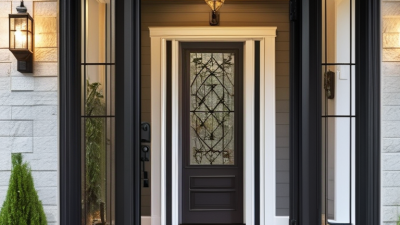
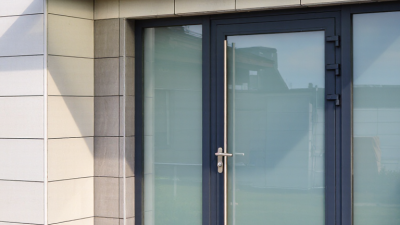
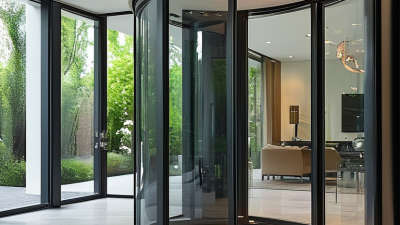
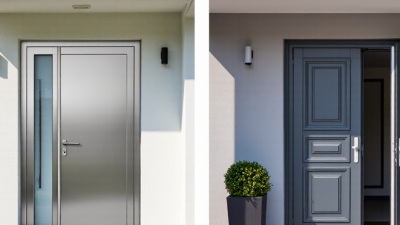
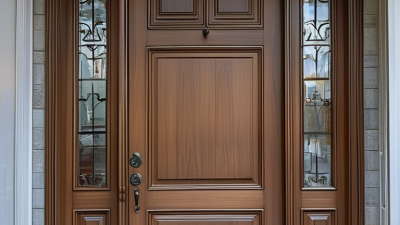
Picking China’s top Insulated Entry Door manufacturers isn’t just about flipping through catalog photos or checking how big a factory is. Honestly, how a door performs comes down to details you can measure: U-factor, air leakage, thermal breaks, core density, frame design, weather-seal compression. A steel door might look tough, but the frame can still become a cold bridge. And that little gap? It matters.
The International Energy Agency says buildings use around 30% of global final energy demand. ENERGY STAR notes heat gain and loss through windows can be roughly 25% to 30% of home heating and cooling energy. Doors are a smaller opening, sure, but bad sealing can still mean drafts, moisture problems, and rooms that just don’t feel comfortable. That’s why the U.S. Department of Energy recommends looking at the whole opening system, not just the door slab. Keep that in mind when you’re reviewing Chinese manufacturers.
Dr. Joseph Lstiburek, founder of Building Science Corporation, talks about the perfect-wall approach as putting “all of the control layers on the exterior of the structure.” For entry doors, the same idea applies: continuous insulation, drainage, airtightness, and weather protection. This guide looks at Chinese suppliers through factory experience, customization ability, testing evidence, export history, and after-sales support. Companies like Doorwin and other established manufacturers may have strong options, but claims still need checking. No ranking is perfect. Certifications can differ by market, and impressive thermal numbers may depend on size and installation. The safest bet? Combine documented testing with a factory that gets real jobsite conditions—from a rainy coastal entry to a freezing northern doorway.
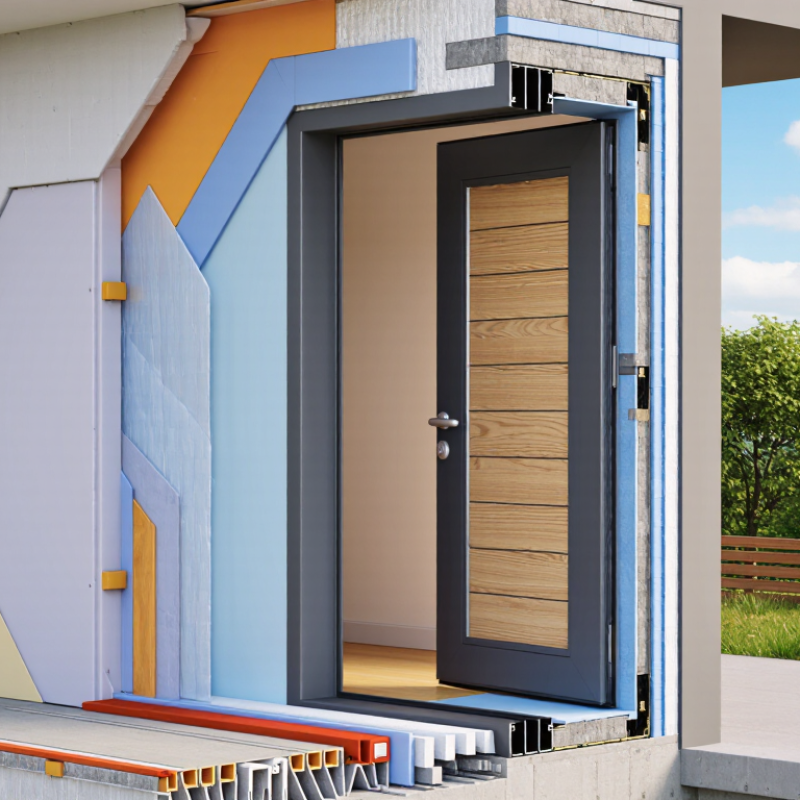
A top insulated entry door manufacturer in China proves performance beyond attractive catalogs. The IEA’s 2023 Global Status Report states that buildings consumed about 30% of global final energy in 2022. Therefore, insulation is a measurable responsibility, not a decorative feature.
A capable factory uses polyamide thermal breaks, dense seals, insulated cores, and carefully joined aluminum profiles. It should provide whole-door U-value reports, not profile data alone.
Independent testing should cover air leakage, water resistance, wind pressure, and repeated opening cycles. Standards such as GB/T 8478 and EN 12207 offer useful reference points.
Field experience also matters. Ask for installation photos, corner details, and performance records from similar climates.
A reliable Thermal Insulated Aluminum Door Supplier explains weak points clearly.
No factory is perfect. Honest limitations are more valuable than exaggerated claims.
Tips:
Request a sample corner section before ordering. Check seal compression by closing a sheet of paper in the joint.
Confirm whether test data covers the complete door assembly. Review packaging, delivery controls, and after-sales response times.
Small details often expose large quality gaps.
Choosing among China’s top insulated entry door manufacturers requires more than comparing surface finishes. Thermal performance begins with the core. Polyurethane foam provides strong insulation with a lightweight structure, while mineral wool offers better fire resistance and sound control. Some doors use honeycomb paper cores, but these may perform less consistently in humid areas.
The frame matters just as much. A thermal break separates interior and exterior aluminum sections, reducing cold bridges around the opening. Multi-chamber profiles, compression seals, and insulated glass can further improve comfort. During site inspections, I check corner joints, gasket contact, and threshold drainage. A small gap near the lower seal can cause noticeable drafts. No door is perfect, and installation errors sometimes reduce performance more than material choices.
Tips: Ask for the door’s U-value, core density, and test conditions. Confirm whether the rating covers the complete door assembly, not only the panel. A reliable Thermal Insulated Aluminum Door Wholesaler should provide section drawings, sample data, and installation guidance. Measure the wall opening carefully, especially at uneven masonry. I would also request a water-spray test for exposed entrances. It takes time, but it can reveal weak seals before shipment.
China-based insulated entry door manufacturers are increasingly evaluated through measurable performance, not showroom appearance. The IEA’s Buildings report states that buildings consumed about 30% of global final energy in 2022. This makes thermal performance a procurement issue, especially in cold and mixed climates.
Reliable manufacturers should provide tested U-values, air-leakage results, water-resistance data, and material specifications. Common door constructions include polyurethane or mineral-wool cores, reinforced steel frames, weather seals, and thermal-break components. Buyers should request reports based on recognized standards, such as EN 1027, EN 12207, ASTM E283, or local equivalents. A beautiful sample proves little. Factory process matters more.
During supplier reviews, inspect corner joints, hinge reinforcement, drainage paths, and gasket compression. These small details often decide whether a door remains quiet and tight after installation. The U.S. Department of Energy notes that windows and doors can represent roughly 25% to 30% of residential heating and cooling energy use. However, published figures vary by building design and climate. That limitation deserves attention. China-based manufacturers with documented testing, stable batch control, and export packaging experience offer stronger purchasing confidence. Still, installation quality can weaken excellent factory performance. That part is easy to underestimate.
China’s leading insulated entry door manufacturers usually offer broad product ranges for homes, apartments, offices, and industrial buildings. Common options include steel security doors, fiberglass doors, aluminum doors, and engineered wood designs. Core insulation may use polyurethane foam, honeycomb structures, or mineral-based materials. Each option affects weight, durability, fire performance, and thermal efficiency.
Customization often extends beyond color. Buyers can specify door thickness, frame depth, glazing size, hinge position, threshold height, and opening direction. Some manufacturers produce narrow sidelights, oversized panels, or doors for unusual wall openings. Hardware choices include multipoint locks, concealed hinges, closers, and weather-resistant handles. Request samples. Small differences in surface texture can change the final appearance.
Design features should support performance, not merely decoration. A well-built door combines continuous seals, insulated frames, reinforced lock areas, and accurate panel alignment. Low-emissivity glass can improve comfort near the entrance, especially in colder climates. Manufacturers should provide drawings, material details, test reports, and installation guidance. Ask for evidence, not promises. Factory experience matters, but quality may vary between production batches. I have found that clear specifications prevent more problems than attractive catalog images. Door performance also depends on installation, which is sometimes underestimated. A perfect panel can still leak air through an poorly fitted frame.
| Product Range | Typical Construction and Performance | Customization Options | Design Features | Common Sizes and Configurations | Typical Applications |
|---|---|---|---|---|---|
| Insulated Steel Entry Doors | Galvanized or corrosion-resistant steel skins with a polyurethane or mineral-wool core. Typical panel thickness is approximately 40–70 mm. Whole-door thermal performance commonly depends on the core, frame, glazing, and threshold design. | Steel thickness, core type, frame depth, opening direction, hinge position, threshold height, lock preparation, and weather-seal configuration. | Smooth or wood-grain textures, embossed panels, flush surfaces, decorative grooves, vision panels, and multi-point locking preparations. | Single, double, and unequal-leaf doors; made-to-order widths and heights are commonly available. | Residential entrances, apartment buildings, offices, schools, and service entrances. |
| Insulated Fiberglass Entry Doors | Fiberglass-reinforced polymer skins combined with a foam-insulated core. The material resists moisture and does not rust, making it suitable for many exterior environments. | Panel profile, skin texture, stain or paint finish, glazing layout, frame material, sill type, hardware preparation, and decorative inserts. | Realistic wood-grain appearance, modern flush panels, raised panels, glass cut-outs, sidelites, transoms, and long-term color options. | Available as single or double doors with optional sidelites and transoms; exact dimensions depend on the project opening. | Residential homes, coastal areas, high-humidity locations, and low-maintenance renovation projects. |
| Thermally Broken Aluminum Entry Doors | Aluminum frames incorporating a non-metallic thermal barrier to reduce heat transfer. Performance varies significantly with frame design, glazing, seals, and threshold construction. | Frame depth, thermal-break design, powder-coat color, anodized finish, glazing type, hardware, opening style, and access-control preparation. | Narrow or wide sightlines, contemporary framing, large glazed areas, concealed drainage, flush thresholds, and minimalist hardware. | Single, double, pivot, sliding, and glazed entrance configurations; large-format openings may be engineered for specific loads. | Commercial buildings, modern residences, retail premises, hotels, and architectural projects. |
| High-Performance Wood-Core Entry Doors | Engineered timber or composite door construction with insulated cores and weather-resistant exterior faces. Moisture protection and correct finishing are essential for exterior service. | Timber species or veneer, panel layout, thickness, glazing, stain color, paint color, edge detail, frame material, and threshold style. | Natural grain, traditional raised panels, contemporary slats, concealed hinges, decorative moldings, and custom glass patterns. | Single and double doors, often combined with sidelites or transoms; custom dimensions are commonly specified by opening size. | Premium residences, heritage-style buildings, hospitality projects, and architect-designed entrances. |
| Fire-Rated Insulated Entry Doors | Steel or mineral-core assemblies designed and tested as complete door sets. Fire resistance may be rated for 20, 45, 60, or 90 minutes, depending on the tested assembly and local code. | Fire-rated vision panels, closer type, panic hardware, smoke seals, frame profile, threshold, latching system, and certified hardware combinations. | Flush or limited-panel faces, narrow vision panels, protective coatings, kick plates, and code-compliant hardware finishes. | Usually single or paired leaves; maximum dimensions and glazing areas are restricted by the applicable test certification. | Stairwells, corridors, utility rooms, apartment buildings, commercial facilities, and industrial premises. |
| Acoustic and Thermal Composite Doors | Multi-layer assemblies using dense skins, insulated cores, compression seals, and carefully fitted frames. Acoustic performance is project-specific and should be verified through laboratory test data. | Core density, door thickness, seal arrangement, drop seal, glazing specification, frame design, and hardware selection. | Flush panels, concealed seals, laminated acoustic glass, heavy-duty hardware, and reduced air-leakage details. | Single or double-leaf formats; dimensions and performance depend on the complete tested assembly. | Hotels, recording spaces, offices, apartments, meeting rooms, and areas requiring improved privacy. |
| Energy-Efficient Glazed Entry Doors | Insulated door leaves combined with double- or triple-glazed units. Low-emissivity coatings and inert-gas-filled glazing can reduce heat transfer when correctly specified. | Glazing thickness, low-emissivity coating, gas fill, spacer type, laminated or tempered safety glass, privacy glass, and decorative grids. | Full-height glass, half-glass, geometric panels, frosted areas, reeded glass, narrow frames, sidelites, and transoms. | Single, double, sidelite, and transom configurations; glass size is limited by safety, weight, and structural requirements. | Residential entrances, offices, showrooms, hospitality spaces, and daylight-focused architectural projects. |
| Security-Focused Insulated Doors | Reinforced door leaves, multi-point locking, anti-pry details, heavy-duty hinges, and strengthened lock areas. Security performance depends on the complete door, frame, hardware, and installation. | Lock cylinder type, electronic access preparation, hinge bolts, reinforced strike plates, security glazing, door closers, and threshold systems. | Modern flush designs, decorative panels, concealed hardware, narrow vision panels, and coordinated exterior hardware. | Single and double doors; opening size, leaf weight, and hardware capacity must be checked during engineering. | Private residences, offices, storage areas, apartment entrances, and controlled-access facilities. |
| Weather-Resistant Coastal Doors | Moisture-resistant skins, corrosion-resistant hardware, sealed edges, durable coatings, and raised or thermally improved thresholds. Proper drainage and installation are important in wind-driven rain environments. | Marine-grade or corrosion-resistant hardware, coating system, sill material, drainage details, glazing, seal type, and frame finish. | Smooth fiberglass, powder-coated aluminum, marine-inspired colors, wide overhang compatibility, and limited exposed fasteners. | Single, double, and glazed formats; wind-load and water-tightness requirements should be established for the project location. | Coastal homes, humid climates, resorts, waterfront buildings, and exposed exterior entrances. |
| Common Design and Specification Features | Typical insulated systems use perimeter weather seals, adjustable frames, insulated cores, and thermally improved thresholds. Reported U-values and air or water test results should be confirmed for the complete assembly. | Custom color matching, panel geometry, glazing pattern, door swing, frame depth, hardware finish, logo-free private-label production, and packaging requirements. | Contemporary, minimalist, traditional, industrial, wood-look, full-glass, narrow-panel, and decorative-panel styles. | In-swing or out-swing options, left- or right-hand operation, single or paired leaves, sidelites, and transoms. | New construction, replacement projects, commercial developments, hospitality, institutional, and residential applications. |
Selecting China’s top insulated entry door manufacturers requires more than comparing showroom photos. The U.S. Department of Energy reports that windows alone can cause 25–30% of residential heating and cooling energy use. This makes verified door insulation equally important in cold and hot regions. A reliable Thermal Insulated Aluminum Door Manufacturer should provide tested U-values, air-leakage results, and thermal-break details.
Look for polyamide strips, insulated cores, continuous corner seals, and drainage paths beneath the threshold. Testing should reference ISO 10077-1 for thermal transmittance and ASTM E283 for air leakage.
ASTM E331 can verify resistance to water penetration, while ASTM E330 evaluates structural performance under pressure. These details matter when wind pushes rain against a glazed entrance.
Certifications also need careful review. ISO 9001 supports quality management, but it does not prove a door’s thermal performance. NFRC procedures can support U-factor and solar-performance ratings for qualifying products. European projects may request CE-related documentation, while Chinese production should align with applicable GB standards.
A serious factory can show calibration records, batch traceability, test samples, and corrective-action reports. A catalog claim is not enough. I would still question laboratory scope, sample size, and installation conditions.
Small gaps around the frame can defeat expensive insulation. Even excellent hardware performs poorly when sealing is rushed.
Selecting a Chinese door manufacturer requires more than comparing catalog prices. The IEA’s 2023 buildings report states that buildings use about 30% of global final energy. Door quality can influence comfort, condensation, and long-term operating costs. The U.S. Department of Energy also reports that windows cause 25–30% of residential heating and cooling energy loss. This figure does not directly represent doors, but it shows why opening performance deserves careful testing.
Ask each Thermal Insulated Aluminum Door Factory for verified U-factor, air-leakage, water-resistance, and wind-load results. Check whether testing follows recognized standards, not only internal factory claims. Examine the thermal break: continuous polyamide strips, insulated corners, and accurate gasket compression matter. Request production samples, section drawings, material certificates, and batch inspection records. A factory audit should include extrusion storage, assembly lines, glass sealing, and packaging. Cheap doors often hide weak corner joints.
Tips: Compare complete installed cost, not the door price alone. Test a sample during opening and closing. Review warranty exclusions carefully. Factory photos can be staged, so request live video or an independent inspection. I would also question unusually perfect test data; one incomplete report can reveal more than ten polished brochures. Supplier selection is not always clean or quick, and that uncertainty deserves documentation.
It provides complete-door performance data, not profile figures alone. Look for U-values, air leakage, water resistance, and wind-pressure results. Honest limitations matter. No factory is perfect.
Check continuous polyamide thermal breaks, insulated cores, dense gaskets, and sealed corners. The threshold should include a drainage path. Small gaps can defeat expensive insulation.
A profile may perform well while the assembled door leaks air. Testing should cover the frame, glass, seals, hardware, and threshold together. The complete assembly matters.
Useful references include ISO 10077-1 for thermal transmittance and ASTM E283 for air leakage. ASTM E331 addresses water penetration. ASTM E330 evaluates structural pressure performance.
Review the laboratory scope, sample size, test conditions, and installation method. Ask for calibration records and batch traceability. Perfect data deserves questions.
Inspect extrusion storage, assembly lines, corner joining, glass sealing, and packaging. Request material certificates and inspection records. Factory photos can be staged.
Request a corner section before ordering. Close a sheet of paper in the gasket joint. It should resist light pulling. Open and close the sample repeatedly.
Compare the complete installed cost, including packaging, delivery, installation, maintenance, and warranty limits. A cheap door may hide weak corners or rushed sealing. The lowest quote is not always cheaper.
China’s top insulated entry door manufacturers distinguish themselves through a combination of thermal performance, durable construction, design flexibility, and reliable production capacity. A high-quality Insulated Entry Door typically uses materials such as polyurethane or mineral wool cores, reinforced steel or aluminum frames, weather-resistant seals, and carefully engineered threshold systems to reduce heat transfer, air leakage, and outside noise. Leading manufacturers may offer steel, fiberglass, aluminum, and hybrid door systems in various styles, colors, finishes, glazing options, sizes, and security configurations to meet residential and commercial requirements.
When comparing Chinese manufacturers, buyers should evaluate insulation ratings, structural strength, surface durability, customization capabilities, production equipment, quality-control procedures, and compliance with relevant international standards. Certifications, testing reports, factory experience, sample quality, lead times, packaging, communication, and after-sales support are also important considerations. The best supplier is not simply the one offering the lowest price, but the one that provides consistent quality, transparent specifications, dependable manufacturing, and a door solution suited to the project’s climate, building design, and long-term performance expectations.