Picking the right electronic lock door system for your hotel? Honestly, it's a pretty big deal—both for keeping guests safe and making sure they have a good experience. As John Bennett from SecureAccess Technologies always points out, "The right lock system is really the backbone of hotel security." It’s not just about having the latest tech; trust plays a huge role too.
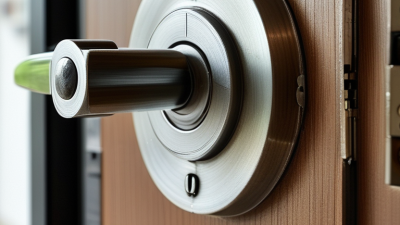
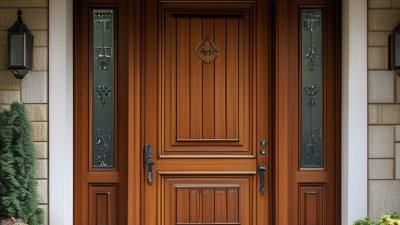
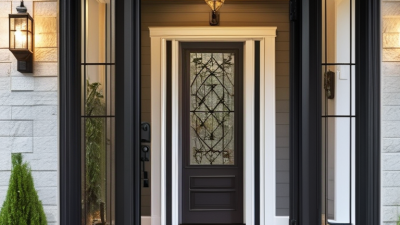
A lot of hotels tend to underestimate just how important a solid locking system really is. When you're choosing, it helps to think about things like how reliable it is and how user-friendly it feels. For example, a Smart Lock Entry Door system can seriously boost guest satisfaction if picked right. But not all smart locks are created equal — hotel managers should look into compatibility, durability, and whether they can access the locks remotely.
On top of that, it’s good to reflect on past experiences with lock systems. Some hotels might’ve splurged on fancy, expensive options that unfortunately didn’t deliver on basic security needs. Going overboard with features that aren’t really necessary can sometimes just cause more headaches. In today’s super competitive hotel scene, having a dependable electronic lock system can actually help your place stand out. At the end of the day, trust and efficiency are what really matter when making this choice.
Factors to Consider When Choosing Hotel Electronic Lock Systems
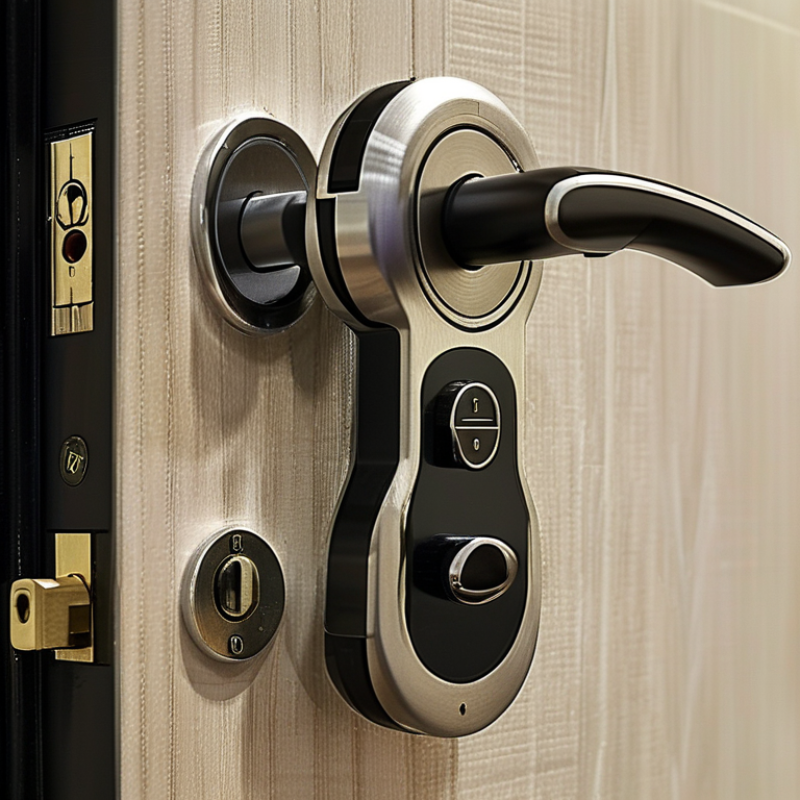
When selecting a hotel electronic lock system, several factors come into play. Security is paramount. Choose a system that provides robust encryption. Look for features like two-factor authentication to enhance safety. Additionally, consider the ease of use for both guests and staff. Systems should allow quick check-ins without complicated processes. A user-friendly interface minimizes errors and frustration.
Durability is another critical factor. A lock should withstand frequent use and resist tampering. Research materials used in making these locks. Metal components often offer better longevity than plastic. However, installation can present challenges. Not all systems will fit existing doorframes. Proper fitting is crucial for optimal functionality.
Integration with property management systems can streamline operations. Ensure that your chosen lock system can sync with existing software. It may improve guest experience by facilitating quick data updates. Remember, the best choice balances advanced technology with practical implementation. Reflect on your hotel's specific needs to find the right fit. Each aspect can significantly influence guest satisfaction and security.
Types of Electronic Lock Technologies: Smart Locks vs. Traditional Options
When choosing a hotel electronic lock door system, understanding the types of electronic lock technologies is vital.
Smart locks are gaining traction in the hospitality industry. According to a 2023 report by the Hospitality Technology Association, over 50% of hotels are considering transitioning to smart locks, which provide keyless entry and enhanced security features. These modern solutions often connect to mobile devices via Bluetooth or Wi-Fi, allowing guests to unlock doors with their smartphones.
In contrast, traditional electronic locks, while reliable, lack the advanced features of smart locks. They often rely on physical key cards, which can be easily lost or demagnetized. The American Hotel and Lodging Educational Institute indicates that 70% of surveyed hotels feel that traditional locking mechanisms may pose security risks over time. While traditional locks provide a familiar experience for guests, they require ongoing maintenance and can lead to higher operational costs.
Choosing between these technologies requires careful consideration of your hotel's specific needs. Smart locks promise innovation but may not be suitable for all locations. Issues with connectivity can arise, particularly where Wi-Fi signals are weak. A balance between ease of use and security features must be struck. Moreover, consider how these systems integrate with existing infrastructures, like the fire door protocols. Investing in the right technology ultimately enhances guest satisfaction and safety in your hotel.
Security Features: Encryption Standards and Anti-Tampering Measures
When selecting a hotel electronic lock door system, security features are crucial.
Encryption standards play a significant role. Strong encryption protects guest data and prevents unauthorized access. Using advanced algorithms ensures that all communications remain secure. It is essential to evaluate the level of encryption offered by various systems. A lower standard may leave sensitive information vulnerable.
Anti-tampering measures are equally important. A robust
Hotel Security Door
should resist physical tampering and signal unauthorized attempts. Look for locks equipped with alarms or alerts to notify management of breaches. These features contribute to overall security and trust. However, no system is infallible. It’s vital to recognize potential flaws in design or implementation that may expose vulnerabilities.
Investing in a hotel electronic lock door system requires careful consideration.
It’s not just about technology, but also about how it integrates with overall hotel security protocols. A comprehensive approach can reduce risks significantly. Yet, ongoing assessments and updates to the system are necessary to stay ahead of potential threats. This vigilance ensures that your hotel remains a safe environment for guests.
Compatibility: Integration with Property Management Systems and Hardware
When selecting a hotel electronic lock door system, compatibility is crucial. Properties often use various property management systems (PMS) to handle bookings and guest information. A lock system that integrates seamlessly with these platforms enhances operational efficiency. Reports indicate that 70% of hotels struggle with technology that doesn’t communicate well with existing systems. This leads to delays and guest dissatisfaction.
Hardware compatibility is equally significant. Many hotels have different door types and existing infrastructure. A lock system must adapt to various configurations without major overhauls. Recent studies suggest that improperly matched systems can increase maintenance costs by up to 30%. This is a reminder for hotel managers to evaluate all technical specifications before deciding.
The ideal scenario is a solution that minimizes installation headaches. Integration not only needs to work on paper; it must perform reliably. Gather insights from other hoteliers on their experiences with integration issues. Often, what seems like a minor feature can become a major obstacle later. Investing in thorough research can save time and resources in the long run.
How to Choose the Best Hotel Electronic Lock Door System? - Compatibility: Integration with Property Management Systems and Hardware
| Feature |
Considerations |
Compatibility |
Integration Level |
| Access Control |
Supports various access methods (e.g., RFID, mobile, keypads) |
Compatible with existing access control systems |
High integration with front desk systems |
| User Management |
Easy management of user roles and permissions |
Works with various property management systems (PMS) |
Seamless integration with user databases |
| Reporting Functions |
Detailed reporting on access logs and incidents |
Compatible with third-party reporting tools |
Robust integration for analytics |
| Network Connectivity |
Supports Wi-Fi, Bluetooth, or hardwired connections |
Interoperable with existing building network |
Easily connected to hotel management systems |
| Durability |
Designed for high-traffic use |
Compatible with various door types |
Integration options for maintenance alerts |
Cost Analysis: Upfront Investment vs. Long-Term Operational Savings
When selecting a hotel electronic lock door system, understanding the costs is crucial. The upfront investment might seem high, but it can lead to significant long-term savings. Electronic locks reduce the need for traditional keys and the associated lock maintenance. These systems enhance security, decreasing theft risks. Hotels can save on insurance costs as well, due to improved safety.
Consider this: while the initial price for an electronic locking system is substantial, ongoing costs can be lower. The durability of these locks often leads to fewer replacements. Over time, savings can outweigh the initial expenses, especially with enhanced guest experiences tied to security.
Tips for choosing wisely include assessing durability. Look for systems that withstand tampering. The installation process should also be straightforward. Investing in features like smartphone compatibility might offer convenience. Lastly, remember that not every system is perfect. Some may face connectivity issues or technical glitches. Always plan for a backup solution to avoid disruptions, especially when relying on an Armored Door for additional security.
User Experience: Ease of Use for Guests and Staff Along with Support
Choosing the best hotel electronic lock door system requires attention to user experience, particularly for both guests and staff. The ease of use can significantly impact guest satisfaction. Research from the Hospitality Technology Report indicates that 73% of guests prefer keyless entry options. This convenience enhances their stay and promotes a seamless check-in process.
For hotel staff, a straightforward management interface is crucial. Staff must quickly perform tasks without extensive training. Complicated systems can lead to frustration and mistakes. In fact, a survey found that 67% of hotel personnel reported challenges with technologies that were not user-friendly. Therefore, the system should facilitate staff engagement while reducing operational errors.
When evaluating electronic lock systems, consider these tips. Look for systems that offer mobile access options for guests. This modern approach aligns with current digital trends. Additionally, ensure training resources are accessible for staff. A well-designed onboarding process can enhance their confidence. Lastly, gather feedback from both staff and guests after implementation. Continual improvement will ensure the system meets everyone’s needs effectively.
Industry Trends: Innovations and Future Directions in Hotel Lock Systems
The hotel lock industry is undergoing significant transformations driven by technological advancements. Recent data from the Hotel Technology Next Generation (HTNG) indicates that electronic lock systems have enhanced security and guest experience. Today’s systems leverage wireless technology and mobile access, allowing guests to unlock their doors easily. Reports suggest that properties implementing advanced systems like smart locks experience a 20% increase in operational efficiency.
However, the evolving landscape demands careful consideration of guest preferences. Security is paramount, but guests also value convenience. Innovations such as mobile apps for keyless entry and integration with smart room systems simplify access. Yet, some hotels still grapple with the transition; outdated systems can lead to frustrations. The balance between innovation and reliability is crucial.
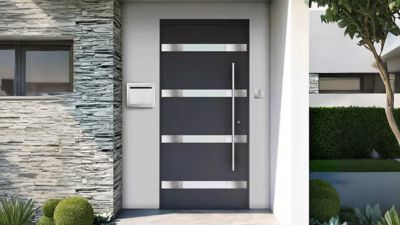
Tips for hoteliers: Regularly assess your lock system's performance. Ensure it meets current security standards. Also, consider guest feedback to refine the user experience. Investing in solutions that offer both security and convenience, like a Round Top Entry Door, can set your property apart. Keep an eye on emerging trends, as staying ahead is essential for success.
Trends in Hotel Electronic Lock Systems
Innovative Security and Durability: The Advantage of Custom Hurricane Impact Aluminum Pivot Doors with Smart Lock Systems
In the quest for home security and resilience, custom hurricane impact aluminum pivot doors stand out as a pioneering solution, particularly when integrated with advanced smart lock systems. These doors are not just engineered for aesthetic appeal in luxury villas and upscale properties but are also designed to withstand the forces of nature. With wall thicknesses ranging from 4.0mm to 8.0mm, the robust aluminum profiles provide an exceptional barrier against both break-ins and severe weather, ensuring a safe and sound living environment.
The construction of these pivot doors is meticulously crafted to combine security and functionality. Featuring heavy-duty aluminum front panels fortified by a specialized armored core, they offer outstanding thermal and acoustic insulations. This design is enhanced with a combination of oriented strand board and high-density foam, creating an entryway that not only resists external pressures but also contributes to energy efficiency and noise reduction. The innovative pivot mechanism allows for fluid operation, supported by a durable base of stainless steel and aluminum alloy, promising longevity and reliability.
Incorporating a state-of-the-art electronic locking system further elevates the security features of these doors. With seamless integration of smart technology, homeowners can benefit from enhanced access control and the convenience of remote monitoring, providing peace of mind. These custom doors represent a significant advancement in residential security solutions, offering a perfect blend of style, durability, and innovative technology to ensure that your home remains a safe haven against a variety of threats.
FAQS
: Assess durability and tampering resistance. Installation should be straightforward. Features like smartphone compatibility add convenience.
Yes, they can lead to long-term savings. Fewer replacements and lower maintenance costs often outweigh upfront expenses.
They reduce theft risks and improve safety. This can also lower insurance costs for hotels.
Some systems experience connectivity issues or technical glitches. It's wise to have a backup solution ready.
Consider keyless entry and mobile app integration. Convenience plays a big role in guest satisfaction.
Technological advancements are driving change. Wireless access and smart integrations boost efficiency and appeal to guests.
Regularly assess performance and security standards. Listen to guest feedback to make necessary refinements.
It can be challenging. Outdated systems may frustrate guests, so a thoughtful update plan is important.
Advanced systems can increase efficiency by up to 20%. This is important for smoother operations in hotels.
Not always. Some systems can fail. Consider maintaining traditional methods as a backup plan.
Conclusion
Choosing the best Hotel Electronic Lock Door system involves several critical factors. First, it is essential to evaluate the types of electronic lock technologies available, such as smart locks versus traditional options, to determine which aligns better with the hotel’s needs. Security features, including encryption standards and anti-tampering measures, play a significant role in safeguarding guest data and property.
Additionally, compatibility with existing property management systems and hardware ensures seamless integration. A thorough cost analysis comparing upfront investments and long-term operational savings is necessary to make an informed decision. User experience is also vital; the system should be easy for both guests and staff to use while providing robust support. Staying informed about industry trends and innovations can help hotels anticipate future needs and enhance their security solutions.