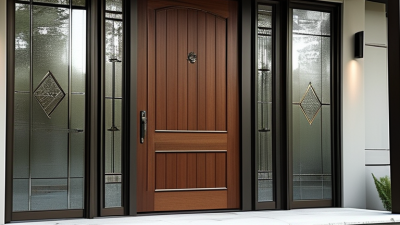
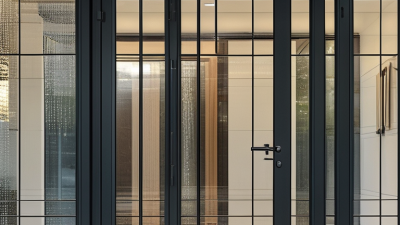
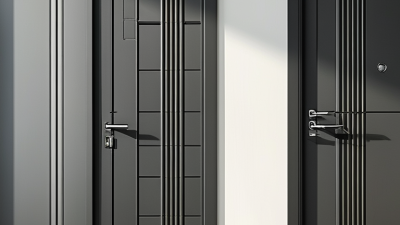
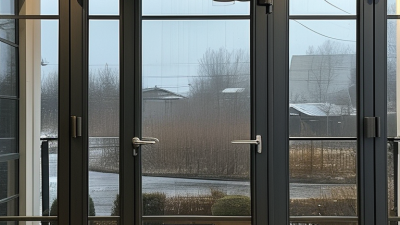
Picking the right aluminum entry door isn’t just about comparing finishes, prices, or flipping through some pretty photos. There’s a lot more to think about. For folks buying from around the world, it’s crucial to consider factors like the local climate, security needs, installation conditions, potential shipping hiccups, and what kind of after-sales support they’ll get. For example, a door built for a mild coastal area might not hold up so well in freezing winter weather or under the blazing tropical sun. And don’t forget the small details — things like the threshold, weather seals, hinges, glazing, and drainage channels can make a big difference.
Michael Chen, an independent consultant specializing in aluminum fenestration, often reminds people: “A door is only as good as how it’s installed and the environment it sits in.” That’s a pretty good rule of thumb for anyone making a purchase. It’s worth asking for details like thermal-break info, performance data on air and water tightness, hardware specs, finish warranties, and clear drawings of the door’s dimensions. And, of course, double-check whether the door meets your local building codes and safety standards.
A reliable aluminum entry door supplier shouldn’t just send you a catalog and call it a day. They should be willing to explain things like profile thickness, glass options, powder-coating standards, how they package your order, lead times, and whether replacement parts are easy to get later on. If possible, ask for sample corners or finish chips — it’s a good way to feel the surface and check the quality. You might even want to test the seal compression or look closely at the finish — these little things tell you a lot about how well-made the door really is.
Now, no checklist is perfect. Sometimes, the price you get quoted is really tempting but hides weaker hardware, blurry tolerances, or expensive surprises during installation. People also often forget about the door’s orientation and how exposed it is to wind and weather — overlooking this can lead to costly issues down the line. This guide covers how to compare manufacturers, verify their technical claims, assess options for customization, and avoid surprises when buying. And a little hard truth — even a top-notch door can fail if measurements, transport, or installation aren’t handled carefully. So, pay attention to the details, and don’t just go for the cheapest deal without doing your homework.
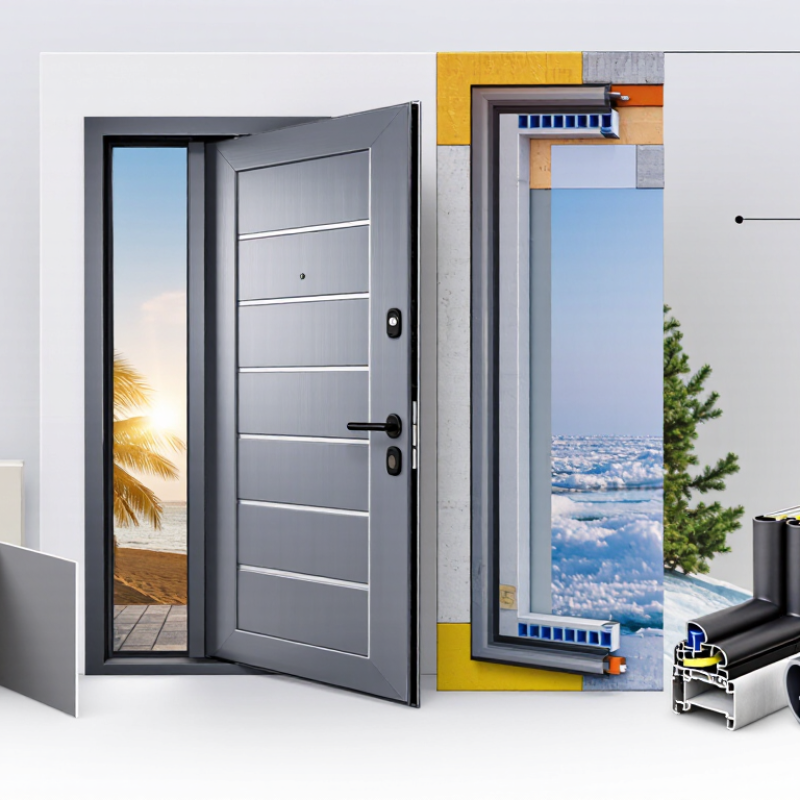
An aluminum entry door is an exterior door built mainly from aluminum profiles, panels, glass, seals, hinges, locks, and a threshold. The frame carries the load. The seals control air and water movement. The finish protects the surface from weather and daily contact.
Aluminum is light, strong, and resistant to corrosion when properly finished. However, standard aluminum conducts heat quickly. A thermally broken frame uses an insulating barrier between its inner and outer sections. This detail can reduce heat transfer and limit condensation around the frame. It matters in cold winters, hot climates, and buildings with strict energy requirements. A door may look premium yet perform poorly without this barrier.
Practical checks reveal more than appearance. Ask for profile dimensions, thermal-break details, air and water test results, and hardware specifications. Confirm the coating type and thickness, especially for coastal projects where salt exposure is severe. Glass selection also changes comfort, security, and energy performance. Tempered or laminated glass may suit different risk conditions. Local building codes still control the final choice.
A common mistake is comparing only the door leaf price. Installation quality matters just as much. An uneven opening can create gaps, rubbing, and water leakage. I would also question unusually low quotations. They may exclude flashing, thresholds, upgraded locks, or delivery protection. No selection is perfect; climate, budget, security needs, and maintenance expectations must be weighed together.
When choosing an aluminum entry door, global buyers should examine the alloy, temper, and profile design together. Alloy alone does not determine performance. In project reviews, 6063 aluminum is often selected for frames because it extrudes smoothly and accepts anodizing well. Its clean surface suits residential entrances and commercial façades. For hinges, locks, and heavily loaded components, 6061 or 6005A may offer stronger mechanical performance. However, stronger is not always better for every door section.
The temper matters too.
Ask for documented alloy certificates, wall thickness, and batch testing. A reliable supplier should explain these details without vague promises.
In coastal locations, surface treatment deserves close attention. Anodizing can provide a durable architectural finish, while qualified powder coating offers broader color choices. Neither coating can hide poor preparation or weak drainage design.
Thermal-break doors use polyamide separators between the inner and outer aluminum profiles. This reduces heat transfer and limits interior condensation. Low-emissivity insulated glass can improve comfort, but glass thickness and spacer quality also affect results.
Solid aluminum panels may resist impact, yet insulated composite cores can reduce weight and improve thermal performance.
Check the full assembly, not only the metal sample.
I have seen attractive samples fail because the threshold allowed water inside. That mistake is easy to overlook. Buyers should also confirm gasket quality, corner joints, drainage paths, and hardware compatibility for the intended climate.
A door can look premium and still perform poorly after installation.
Choosing the best aluminum entry door begins with the building’s location, use, and climate. A slim frame may suit a modern villa, while a deeper profile can better support heavy daily traffic. Check frame joints, glass spacing, drainage paths, and finish consistency. Small gaps around the threshold often become large problems during rainy seasons.
Security should be tested, not guessed. Look for a multi-point locking system, reinforced strike areas, impact-resistant glass options, and hinges protected from external access. Ask for test reports, hardware specifications, and installation guidance. An experienced Aluminum Entry Door Wholesaler should explain which security features suit apartments, offices, or private homes. More locks do not always mean better protection. Poor alignment can weaken even strong hardware.
Thermal performance deserves equal attention. Compare U-values, thermal-break design, gasket quality, and the door’s complete installed performance. A beautiful panel may still transfer heat through an untreated frame. Feel the difference beside a cold threshold. Durability depends on coastal exposure, ultraviolet light, cleaning habits, and drainage. Request coating data and corrosion-test evidence for the intended environment. Check whether replacement seals and rollers remain available. No door is perfect. I have seen attractive designs fail because installers rushed the sill detail. That mistake is easy to overlook, yet difficult to repair after occupancy. Choose documented performance, practical maintenance, and a design that remains stable under real weather.
Choosing the right size starts with the rough opening, not the slab alone. Common single-door widths range from 800 to 1,000 millimetres, while double doors often reach 1,600 to 2,000 millimetres. Always confirm wall thickness, frame depth, threshold height, and swing clearance. A wider entry looks impressive, but it may reduce usable furniture space indoors.
Configurations should match climate and daily traffic. Select inswing or outswing operation, then consider sidelites, a transom, or a pivot design. In coastal regions, ask an Aluminum Entry Door Manufacturer about tested wind-load, water-infiltration, and air-leakage performance. The required values differ by location. Local building codes should guide the final specification.
Customization affects comfort as much as appearance. Thermal breaks, low-emissivity glazing, insulated cores, adjustable hinges, and multi-point locks can improve performance. The 2023 UNEP Global Status Report states that buildings consume about 32% of global energy. Door insulation deserves attention. Powder-coated finishes offer many colours, while anodized surfaces create a harder metallic look. Check sample panels outdoors, because sunlight changes colour perception. One detail is easy to miss: dark finishes can become very hot. My checklist is not flawless either; unusually large glass panels may increase weight, delivery risk, and installation demands. Ask for shop drawings, tested U-values, drainage details, and replacement-part availability before approving production.
Choosing the best aluminum entry door starts with the local climate, not appearance. Coastal air can attack untreated metal and hardware. Specify corrosion-resistant finishes, sealed joints, and stainless-steel components near the shoreline.
Cold regions need thermally broken frames and insulated door panels. These features reduce interior condensation around the threshold. Hot climates require low solar-heat-gain glass and finishes that tolerate strong sunlight. In areas with storms, check wind-load and impact requirements before selecting a large glazed door. A beautiful door can still fail under local weather pressure.
Building codes also shape the specification. Verify required U-values, air leakage, water penetration, fire ratings, and emergency egress rules. Accessibility standards may control threshold height, opening force, and clear width. Regional standards can differ between cities, even within one country. An
Aluminum Entry Door Factory
should provide tested performance data, installation details, and material certificates for the target market. Ask whether testing covers the complete door assembly, not only the frame.
I have seen projects choose hardware too late. That caused thicker thresholds and awkward transitions. Review hinges, locks, closers, drainage, and sill details before production. A specification can look perfect on paper, yet installation errors may create drafts or leaks. Local installers should confirm wall conditions, fastener types, and drainage paths. One detail deserves extra attention: the door must match both the building envelope and the authority’s inspection expectations.
Choosing the right Aluminum Entry Door Company requires more than comparing online photos. Request factory records, production samples, and recent project references. A reliable supplier should explain the alloy grade, thermal-break design, surface coating, glass option, and hardware quality. Ask for certification documents from recognized testing bodies, not only self-written claims. Verify report numbers when possible.
Compare the complete landed cost. Include tooling, packaging, inland transport, insurance, duties, and installation support. A low quotation may hide weak packaging or expensive replacement parts. I have seen attractive prices become costly after damaged corners arrived. Shipping details matter: confirm door dimensions, container loading plans, moisture protection, and delivery responsibilities. After-sales support should include response times, installation guidance, replacement seals, and a clear claim process. Written terms are safer than friendly promises.
Tips: Ask for one sample before placing a large order. Photograph every package before opening it. Keep approved drawings beside the purchase contract. No checklist is perfect. I would also ask how the supplier handles a production mistake, because the answer often reveals more than a sales presentation. Compare suppliers using the same specification sheet, then review quality, communication, certifications, costs, shipping, and support together.
6063 aluminum suits extruded frames and anodized finishes. 6061 or 6005A may suit hinges and heavily loaded parts. Stronger is not always better. Review alloy, temper, wall thickness, and profile design together.
Request alloy certificates, temper details, wall thickness, and batch-testing records. Ask for complete assembly test results. Vague promises are not enough. The paperwork should match the delivered door.
Coastal projects need corrosion-resistant finishes, sealed joints, and suitable stainless-steel hardware. Cold regions benefit from thermal breaks and insulated panels. Hot climates may need low-solar-gain glass and sun-resistant finishes. Climate changes the specification.
Common single-door widths range from 800 to 1,000 millimetres. Double doors often range from 1,600 to 2,000 millimetres. Confirm the rough opening, wall thickness, frame depth, and swing clearance. Sidelites, transoms, and pivot designs require extra space.
Thermal breaks reduce heat transfer through aluminum frames. Low-emissivity glass can improve indoor comfort. Insulated cores may reduce panel weight and heat loss. Adjustable hinges and multi-point locks can support smoother operation. Details matter.
Confirm U-values, air leakage, water penetration, wind-load, and impact performance. Fire ratings and emergency egress may also apply. Accessibility rules can control threshold height and clear opening width. Local requirements may differ between nearby cities.
Poor drainage can let rainwater enter, even with attractive surface finishes. Check gaskets, corner joints, sill details, and threshold design. The complete assembly matters more than a small metal sample. I have seen good-looking samples fail here.
Request shop drawings, tested values, hardware details, and replacement-part information. Confirm hinge, lock, closer, fastener, and drainage compatibility. Local installers should inspect wall conditions before fitting. My checklist is not perfect. Large glass panels can increase weight, delivery risk, and installation difficulty.
Choosing the right Aluminum Entry Door requires more than comparing appearance and price. Global buyers should first understand the door’s construction, including the aluminum grade, frame structure, panel materials, hardware, and protective finish. Key evaluation factors include resistance to corrosion, forced entry, heat transfer, moisture, and repeated use. Buyers should also review insulation performance, glazing options, weather seals, locking systems, and expected service life. A suitable design should match the building’s architectural style while supporting practical needs such as accessibility, ventilation, daylight, and maintenance.
Size, opening direction, sidelights, transoms, thresholds, colors, finishes, and hardware can often be customized. However, climate conditions and regional building codes may influence thermal ratings, wind-load requirements, fire safety, drainage, and installation details. Before placing an order, compare suppliers by product consistency, technical documentation, certifications, quality control, production capacity, total cost, packaging, shipping arrangements, lead time, warranty terms, replacement parts, and after-sales support. A careful, standards-based assessment helps buyers select an Aluminum Entry Door that performs reliably across different markets and project conditions.