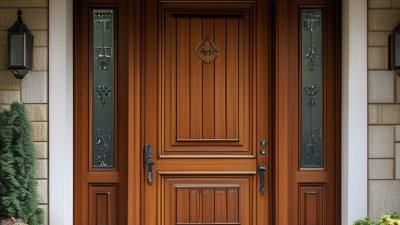
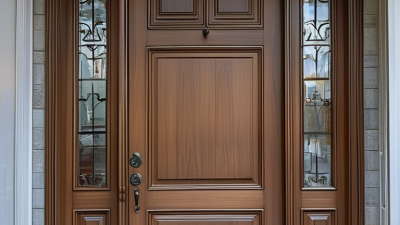
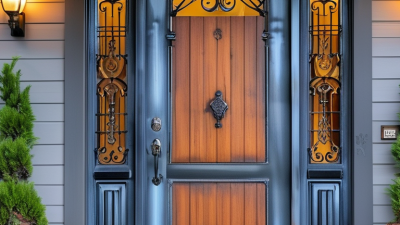
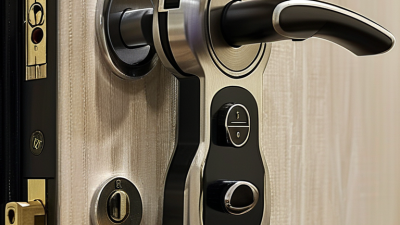
Picking out the right weather-resistant entrance door really matters if you're a homeowner. A good door isn’t just about looks — it’s gotta stand up to the elements, keep your home secure, and last a good long while. Things like what it’s made of, how well it insulates, and how it looks all come into play when you're thinking about performance. Sadly, a lot of folks skip over these details and end up disappointed or stuck replacing their door sooner than they expected.
When you're shopping for one, don’t forget to check out the supplier’s reputation. A reliable Weather Resistant Entry Door Supplier should have good reviews and a solid track record. It’s definitely worth asking around or reading up on what others have experienced. Also, make sure you pick a company that really gets your local weather — it makes a difference.
Just imagine your new door: solid, reliable, and not only keeping rain or snow out but also boosting your home’s look from the curb. That said, don’t get so caught up in durability that your door turns into an eyesore. Finding that sweet spot between looks and toughness is really the key. Keep these things in mind, and you’ll end up with a door that’s perfect for your home — something that’ll serve you well for years to come.
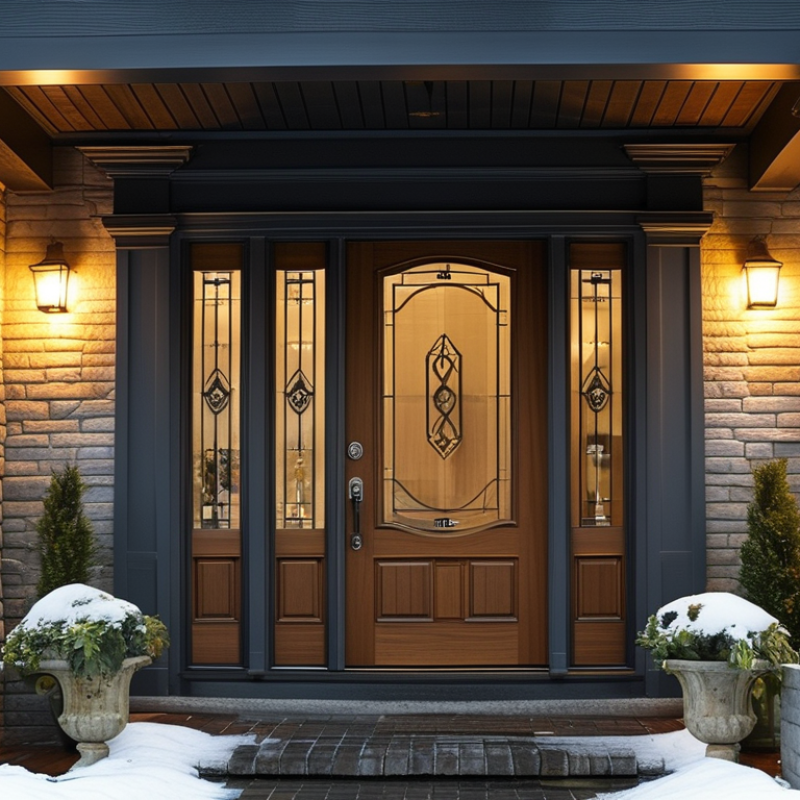
Factors to Consider When Choosing a Weather Resistant Entry Door
When choosing a weather-resistant entry door, several factors can influence your decision. First, consider the material.
Steel and fiberglass doors are known for their durability against harsh weather conditions. According to a report by the National Association of Home Builders (NAHB), fiberglass doors are particularly effective in resisting moisture and prevent warping, with a lifespan of 30-50 years. This is significantly longer than wood doors, which can deteriorate faster when exposed to humidity and rain.
Another crucial factor is energy efficiency. Energy Star estimates that a high-quality entry door can reduce heat loss by up to 35%. Look for doors with a high R-value, indicating better insulation. Weather stripping also plays a vital role. Proper installation can minimize air leaks and enhance the door's performance. However, many homeowners overlook this aspect, leading to increased energy costs and discomfort.
The aesthetic appeal should not be disregarded. Your entry door serves as the first impression of your home. Styles range from modern to traditional, and the right choice can enhance your home’s curb appeal. However, balancing aesthetics with functionality can be challenging. Be sure to assess your home's climate and exposure before making a decision. Remember, investing in a quality door upfront can save you significant costs in repairs and energy over time.
Material Options for Weather Resistant Entry Doors
When selecting a weather-resistant entry door, material choice is crucial. Different materials offer unique benefits and drawbacks. For instance, fiberglass doors stand out for their durability and low maintenance. They resist warping and damage from moisture. A solid fiberglass door can mimic wood grain, providing an appealing aesthetic.
Wood doors bring warmth but may require more upkeep. They can swell or crack in extreme weather conditions. However, with proper sealing and treatment, a wooden entry door can still perform well. Steel doors offer robust security and insulation. They're highly weather-resistant but can rust if the protective coating is compromised.
Consider your local climate when choosing a material. If you experience heavy rain or extreme temperatures, opt for materials known for their resilience. Consulting with a weather-resistant entry door wholesaler can provide expert insight on the best options for your home. Your selected material should not only meet your aesthetic preferences but also hold up against harsh weather conditions. Balancing beauty and practicality is essential for long-lasting value.
Understanding Energy Efficiency Ratings for Entry Doors
When selecting an entry door, understanding energy efficiency ratings is crucial. These ratings inform homeowners about a door's performance in insulating and preventing heat loss. A door with a high energy efficiency rating often means better comfort and reduced energy bills. Consider the U-factor and Solar Heat Gain Coefficient (SHGC) when evaluating options. A lower U-factor indicates improved insulation properties, while the SHGC rating reflects how much solar heat a door lets in.
Not all doors are created equal regarding energy efficiency. Some materials perform better than others. For instance, fiberglass doors often provide superior insulation compared to traditional wooden doors. However, the choice may not be straightforward. Aesthetic preferences and budget constraints often complicate the decision-making process. Many homeowners overlook the importance of thorough insulation quality, leading to higher heating and cooling costs over time.
The installation process also plays a role in energy efficiency. A poorly installed door can negate superior materials and ratings. Gaps and misalignment can cause drafts, undermining the benefits of a high-rated door. This is often underestimated in energy efficiency discussions. Moreover, periodic maintenance can affect a door’s performance. Homeowners should reflect on these aspects while considering their options.
Importance of Proper Sealing and Insulation
Choosing an entry door that can withstand harsh weather is essential for protecting your home. Proper sealing and insulation play a crucial role in maximizing energy efficiency. When selecting a door, consider materials that offer natural resistance to moisture and temperature fluctuations. Fiberglass and steel doors, for example, often excel in these areas.
Sealing is equally important. An airtight seal prevents drafts that can lead to increased energy costs. Many overlook this aspect, leading to discomfort and wasted resources. Ensure that your door has a good weatherstrip installation. A Weather Resistant Entry Door Manufacturer can provide guidance on selecting the best products. However, remember that even the best doors can fail without proper maintenance.
Insulation is another factor that should not be ignored. Proper insulation keeps your home comfortable regardless of the weather. Often, homeowners underestimate the impact of poor insulation. Signs like fluctuating indoor temperatures indicate the need for improvement. Investing in high-quality insulation can save money long-term, making it a vital consideration.
Styles and Designs for Enhanced Weather Resistance
When choosing a weather-resistant entry door, consider the styles and designs that enhance durability against the elements. Solid wood doors provide aesthetic charm but may require extra maintenance. Fiberglass doors are a popular choice due to their ability to withstand moisture and temperature fluctuations. According to industry research, fiberglass doors can last up to three times longer than traditional wood doors.
Metal doors, often galvanized, resist rust and offer robust protection. They are less prone to warping. A study from the Door and Window Manufacturers Association revealed that entry doors made of insulated steel can save homeowners 5-10% on energy bills due to their superior thermal performance.
Tips: Invest in weather stripping to enhance door insulation. Choosing a door with an energy-efficient rating can be beneficial. Ensure that seals are intact to prevent water penetration. A local Weather Resistant Entry Door Factory can provide customized solutions tailored to your home’s specific needs. Remember, selecting the right door is not just about function but also about style that complements your home while providing protection.
Maintenance Tips for Weather Resistant Doors
Maintaining weather-resistant entry doors is essential for longevity and effectiveness. Regular inspection is critical. Look for signs of wear, such as peeling paint or cracks. These issues might seem minor but can lead to significant problems over time. Ensure that seals and weather stripping are intact to prevent drafts and moisture intrusion.
Cleaning your door is another vital step. Use a mild soap solution to wipe down surfaces. Avoid harsh chemicals that could damage finishes. Check hinges and locks as well. Lubricating them ensures smooth operation and extends their lifespan. A small detail, like rust on the hardware, shouldn’t be overlooked, as it can compromise functionality.
In addition to these tasks, consider the door's exposure to sunlight. UV rays can fade colors and degrade materials. Sometimes, you might think a door only needs a coat of paint. However, the underlying material could be compromised. Reflect on the longevity of each component and plan maintenance accordingly. A thorough approach will keep your entry door reliable against the weather’s whims.
Budgeting for a High-Quality Weather Resistant Entry Door
Budgeting for a high-quality weather resistant entry door involves careful planning. Start by determining your budget range. Consider your location and climate. A door that withstands extreme weather may cost more. However, it tends to be a worthy investment over time. Think about the materials. Fiberglass and steel often offer better protection than wood. Research prices in your area to get an idea of what's available.
Finding the right Weather Resistant Entry Door Company is crucial. They should provide options that suit different budgets. Ask for samples and check their ratings. Look for customer reviews online. A reliable company can help you avoid costly mistakes. Do not overlook installation costs. Improper installation can lead to leaks and inefficiency. Sometimes, it's wise to spend a bit more upfront for long-term savings.
Think about longevity and durability. It may be tempting to go for the cheapest option. However, low-quality doors can lead to increased energy costs. Remember, every dollar spent on a quality door contributes to your home's value. Evaluate warranties too, as they reflect confidence in the product. Investing wisely can enhance your home's safety and comfort.
How to Choose Weather Resistant Entry Door for Your Home? - Budgeting for a High-Quality Weather Resistant Entry Door
| Feature |
Description |
Estimated Cost Range |
Durability Rating |
| Material |
Fiberglass, Steel, Wood |
$300 - $1,500 |
8-10 years |
| Insulation |
Foam Core, Insulated Glass |
$150 - $600 |
10-15 years |
| Weather Stripping |
Vinyl, Rubber, Foam |
$50 - $200 |
5-10 years |
| Finish |
Paint, Stain, Composite |
$100 - $400 |
2-7 years |
| Security Features |
Multi-Point Lock, Reinforced Frames |
$200 - $800 |
Lifetime |
FAQS
: Fiberglass and metal doors are highly recommended. They offer better protection against the elements than traditional wood doors.
Regularly inspect for wear, clean with mild soap, and lubricate hinges to ensure smooth operation and longevity.
Intact seals prevent drafts and moisture intrusion, ensuring your door remains weather-resistant and energy efficient.
UV rays can fade colors and degrade materials. A coat of paint might not suffice if the material is compromised.
Yes, a quality door provides durability, energy savings, and enhances property value over time. It’s a wise investment.
Consider your climate, desired materials, and installation costs. High-quality doors require careful financial planning.
Look for reputable companies that offer various options, check customer reviews, and ask for samples before deciding.
Regular inspection, cleaning, checking hardware, and ensuring weather stripping integrity are crucial for effective maintenance.
Improper installation can lead to leaks, inefficiency, and increased energy costs, making it essential to invest in professional installation.
Investing in weather stripping and energy-efficient doors can significantly improve insulation and energy performance.
Conclusion
Choosing a weather resistant entry door is essential for enhancing your home’s durability and energy efficiency. When selecting the right door, consider factors such as material options, which can range from fiberglass to steel, ensuring they provide optimal weather resistance. Understanding energy efficiency ratings will help you choose doors that minimize heat loss while contributing to lower energy bills. Proper sealing and insulation are crucial for maintaining your home's comfort, preventing drafts and moisture ingress.
Moreover, the style and design of a weather resistant entry door can significantly impact its effectiveness. Opt for designs that not only look good but also enhance resistance to the elements. Regular maintenance, including checking seals and applying appropriate finishes, can prolong the door’s lifespan. Lastly, budget planning is important; investing in a high-quality weather resistant entry door upfront can save money in the long run by reducing maintenance costs and improving energy efficiency.