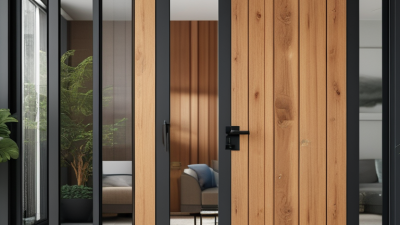
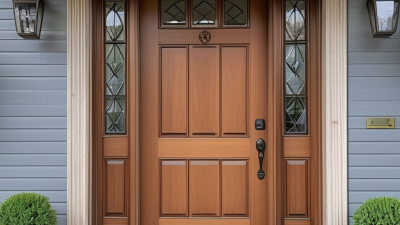
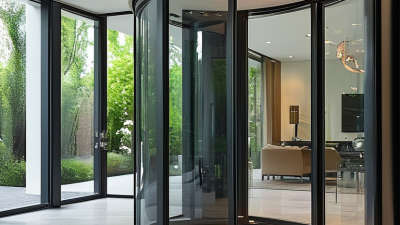
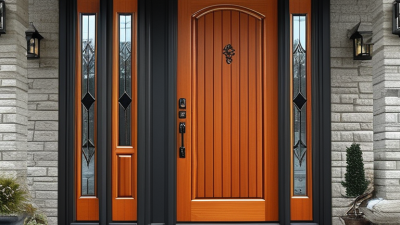
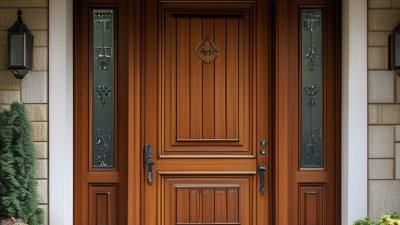
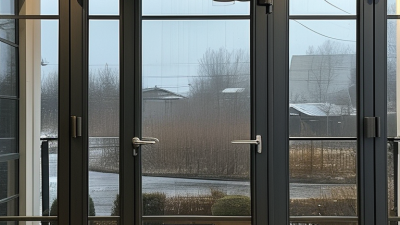
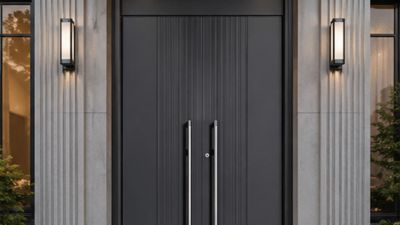
Dealing with condensation on aluminum doors is honestly pretty common, and a lot of homeowners run into this issue. It can cause some ugly stains, mold growth, and even damage the door itself. The culprit? Usually, it's the temperature swings and humidity levels messing with things. If you're trying to figure out how to fix it, understanding the best Aluminum Door Condensation Solutions is key.
Those aluminum honeycomb doors, for example, are great because they offer better insulation and can help cut down on condensation. That said, they’re not totally immune—moisture can still sneak in sometimes. When it does, it can be pretty frustrating for homeowners, believe me. Everyone just wants simple, effective solutions to keep their entryway looking good. Looking into different options might really make a difference and help bring back that fresh, clean look.
In this guide, I’ll cover some important tips to prevent condensation from happening in the first place. We’ll go over both preventative measures and ways to deal with existing moisture. Keep in mind, each solution has its own pros and cons. What works perfectly in one situation might not be ideal in another, so it’s important to consider your specific setup and pick the best Aluminum Door Condensation Solutions for your needs.

Understanding Condensation on Aluminum Doors
Condensation on aluminum doors occurs when warm air meets the cold surface of the door. This can lead to water droplets forming, creating an unsightly and potentially damaging issue. Understanding the underlying causes is crucial for prevention. Often, high humidity levels in the environment or inadequate insulation are the primary culprits. When indoor temperatures rise while outdoor conditions drop, this issue intensifies.
Addressing condensation effectively requires practical solutions. One method is to improve ventilation in the area where the door is installed. This can be achieved by opening windows or using exhaust fans. Installing weather stripping can also create a better seal, reducing temperature differences. In some cases, using a dehumidifier can keep indoor moisture levels in check, especially during colder months.
While these solutions are viable, they may not work for every situation. Some homes have poor insulation, which can be challenging to remedy. Homeowners should regularly inspect their doors for signs of moisture. If condensation persists despite implementing these strategies, a consultation with a professional can provide tailored recommendations. Keeping an open mind about the specific circumstances can lead to more effective solutions.
Common Causes of Condensation in Aluminum Doors
Condensation in aluminum doors is a common issue, occurring when warm, moist air meets cool surfaces. This often results in water droplets forming on the door's interior side. According to the U.S. Department of Energy, proper insulation and airflow can significantly reduce moisture buildup. Factors like humidity levels in your area, door installation quality, and the surrounding environment contribute to this problem.
In high-humidity regions, aluminum doors can easily develop condensation. The amount of moisture in the air plays a crucial role. A relative humidity level above 60% increases the chances of condensation. Furthermore, poor insulation leads to colder surfaces, making condensation more likely. Studies indicate that insulated aluminum doors can improve energy efficiency and reduce moisture issues significantly. Homeowners might overlook these aspects during installation, leading to long-term problems and discomfort.
Another contributing factor is the lack of ventilation. Rooms that do not have adequate airflow are more prone to moisture buildup. Installing vents or ensuring that your space is well-ventilated can alleviate this issue. Moreover, using a dehumidifier can help manage indoor humidity levels. Understanding these factors is essential for maintaining your Aluminum Pivot Door and preventing unwanted condensation. Regular checks and maintenance are crucial in avoiding water damage over time.
10 Effective Aluminum Door Condensation Solutions You Need
| Solution |
Description |
Effectiveness |
Cost Estimate |
| Weather Stripping |
Install weather stripping around doors to seal gaps and reduce air infiltration. |
High |
$20 - $50 |
| Dehumidifiers |
Use dehumidifiers to control indoor humidity levels effectively. |
Very High |
$100 - $300 |
| Insulated Glass |
Replace standard glass with insulated glass to improve thermal performance. |
High |
$200 - $600 |
| Ventilation |
Ensure proper ventilation in the area surrounding aluminum doors. |
Medium |
Free - $20 |
| Heat Guns |
Use heat guns to evaporate moisture that has accumulated on door surfaces. |
Medium |
$50 - $150 |
| Anti-Condensation Coating |
Apply anti-condensation coatings to door surfaces to reduce condensation. |
High |
$40 - $100 |
| Thermal Break Inserts |
Install thermal break inserts to reduce heat transfer through the door. |
Very High |
$100 - $400 |
| Regular Maintenance |
Perform regular maintenance to ensure seals and components are in good condition. |
Medium |
Free - $50 |
| Replace Door |
If persistent issues occur, consider replacing the door with one designed to prevent condensation. |
Very High |
$500 - $1500 |
How Humidity Affects Aluminum Door Performance
Humidity plays a significant role in the performance of aluminum doors. When the relative humidity exceeds 50%, condensation can form on surfaces. This creates an ideal environment for mold and mildew. According to the American Society of Heating, Refrigerating and Air-Conditioning Engineers (ASHRAE), maintaining indoor humidity levels between 30% and 50% is crucial for both comfort and structural integrity. High humidity can lead to issues like corrosion, impacting the door's lifespan and functionality.
Condensation occurs when warm, moist air meets the cooler surface of an aluminum door. This is especially prevalent in climates with significant temperature fluctuations. A report by the Department of Energy shows that doors without proper insulation are more prone to condensation. Proper sealing techniques and proper installation can minimize this effect. Utilizing thermal breaks can also help reduce temperature differentials and limit condensation issues.
Moreover, a study by the National Institute of Standards and Technology highlights the importance of regularly maintaining aluminum doors. Neglected doors can lead to condensation buildups. Over time, accumulated moisture can weaken the door’s material and lead to costly repairs. Understanding how humidity affects your aluminum doors can significantly improve their performance and longevity in various weather conditions.
10 Effective Aluminum Door Condensation Solutions You Need
This bar chart illustrates the effectiveness of various solutions to reduce condensation on aluminum doors. The solutions are rated on a scale of 0 to 10, highlighting the most effective methods for improving door performance under humid conditions.
Effective Insulation Techniques to Reduce Condensation
Condensation on aluminum doors can be a significant issue, particularly in climates with extreme temperatures. Effective insulation techniques play a crucial role in addressing this problem. According to a study by the Department of Energy, better insulation can reduce energy loss by up to 30%. While it may not eliminate condensation entirely, high-quality insulation significantly minimizes its occurrence.
One common solution is the use of thermal breaks within the aluminum frames. These breaks create a barrier that prevents heat transfer, which helps keep the interior surface warmer. Research suggests that properly insulated aluminum doors can reduce humidity levels by preventing cold surfaces. In fact, installing insulated aluminum doors can lead to a reduction of up to 25% in moisture accumulation. This can lead to healthier indoor air quality and a more comfortable environment.
Additionally, proper sealing around the doors is essential. Gaps and leaks can undermine insulation effectiveness, allowing moisture to seep in. It’s wise for homeowners to regularly check for wear and tear in seals. Engaging an experienced Aluminum Entry Door Supplier can provide insights into the best sealing materials available. While these techniques are effective, it’s vital to regularly assess the overall efficiency of insulation to ensure long-term protection against condensation issues.
The Role of Ventilation in Preventing Door Condensation
Ventilation plays a vital role in preventing condensation on aluminum doors. When warm, humid air comes into contact with cooler surfaces, condensation occurs. Proper airflow can lower humidity levels inside homes. To enhance ventilation, consider opening windows and using exhaust fans in kitchens and bathrooms.
Installing vented door systems is another effective method. These systems allow air to circulate freely, reducing moisture buildup. Some homeowners overlook this step, thinking it’s unnecessary. However, adding small or adjustable vents can significantly improve air movement and decrease condensation risk.
Another solution involves using dehumidifiers. They reduce moisture in the air, especially during humid months. Placing a dehumidifier near aluminum doors can control indoor humidity. It's essential to ensure these devices are regularly maintained for efficiency. Many may forget to check their dehumidifier filters. Regular maintenance can enhance performance and improve indoor air quality.
Considering these options can lead to a drier, more comfortable living space. Rethinking ventilation strategies makes a noticeable difference in preventing issues with aluminum doors. An Aluminum Entry Door Wholesaler can provide additional recommendations tailored to specific needs.
Choosing the Right Sealants for Aluminum Doors
When it comes to selecting sealants for aluminum doors, knowledge is key. Not all sealants are created equal. The choice can significantly impact condensation issues. According to a report by the American Architectural Manufacturers Association, energy-efficient sealants can reduce air infiltration by 60%. This improves door performance and minimizes moisture buildup.
Silicone and polyurethane sealants are commonly recommended for aluminum doors. These materials offer flexibility and resistance to temperature changes. However, the longevity of these sealants can vary. A study by the Construction Research Institute found that proper application techniques can enhance sealant life by up to 30%. It is crucial to apply them correctly to avoid premature wear and failure.
While selecting sealants, pay attention to the specific needs of your environment. Areas with high humidity require different solutions than dry climates. Many Aluminum Entry Door Manufacturers provide guidelines tailored to various conditions, ensuring you make an informed choice. Look for products that have been tested and certified for durability and effectiveness. The right sealant can make a significant difference in preventing condensation and prolonging the lifespan of your aluminum doors.
Maintenance Tips to Minimize Condensation Issues
Managing condensation on aluminum doors is essential for maintaining efficiency and aesthetics in any space. Regular maintenance can significantly minimize condensation issues. For instance, ensuring proper insulation can reduce heat transfer that contributes to condensation. A study by the American Society of Heating, Refrigerating, and Air-Conditioning Engineers highlights that poorly insulated doors can lose over 25% of heated air, leading to higher humidity levels indoors.
Another critical aspect is airflow. Ensuring adequate ventilation can help to balance indoor humidity levels. The U.S. Department of Energy recommends exhaust fans in high humidity areas like kitchens and bathrooms. This simple measure can drastically lower moisture buildup, fostering a healthier indoor environment. However, many homeowners neglect regular checks of these systems, leading to persistent condensation issues.
Implementing weather stripping is a practical solution that improves door efficiency. However, many people overlook the necessity of replacing worn-out materials. The EPA indicates that over 20% of energy is wasted through air leaks, contributing to excess moisture. Simple tasks like cleaning drain holes in door frames can also prevent water buildup, yet they are often forgotten. These preventive measures require minimal effort but yield significant long-term benefits.
Enhancing Home Security and Aesthetics with DERCHI's Luxury Soundproof Aluminum Front Entry Doors
In the modern age, where aesthetics and security are paramount in residential design, the integration of advanced materials in entry doors can significantly enhance both protection and appeal. The Luxury Aluminum Alloy Soundproof Thermal Insulation Entry Door exemplifies this trend, offering a perfect fusion of high-performance features tailored for luxury villas and upscale residences. This type of entry door not only provides soundproofing capabilities that can reduce noise pollution by up to 30 decibels but also ensures thermal insulation, contributing to energy conservation—an essential factor in modern home design as energy costs continue to rise.
Moreover, the durability of these doors is underscored by their composite structure, which combines a robust steel inner core with an aluminum alloy outer panel. This construction meets bullet-resistant security standards, providing unparalleled physical protection against intrusions. According to industry reports, homes equipped with advanced security door systems have seen a 45% decrease in burglary attempts, demonstrating the significant role these entry solutions play in safeguarding residential properties. Further customizing options such as screen netting materials, door types, and finishes allow homeowners to personalize the entryway, reinforcing the idea that security does not have to compromise style.
Additionally, with the growing demand for energy-efficient building solutions, incorporating energy-saving elements in door designs aligns with the ongoing industry shift towards sustainability. Powder-coated finishes enhance the longevity and weather resistance of these doors, ensuring they maintain their elegance while providing a long-lasting solution. With a professional production commitment involving comprehensive project capabilities, it's clear that luxury entry doors are not just a trend but a necessity for discerning homeowners seeking both safety and sophistication.
FAQS
: Condensation happens when warm air meets cold door surfaces, often due to high humidity or poor insulation.
Improving ventilation, using exhaust fans, and opening windows can help reduce moisture levels.
Yes, weather stripping improves door sealing and reduces temperature differences, helping prevent condensation.
If issues continue, consulting a professional can provide customized solutions for your specific situation.
Regular inspections are important. Check your doors seasonally or after heavy rain to catch any issues.
Good insulation reduces heat transfer. Poorly insulated doors can waste heated air and increase indoor humidity.
Regularly cleaning drain holes and replacing worn weather stripping can significantly reduce moisture buildup.
Yes, they help balance humidity in areas like kitchens and bathrooms, which can drastically lower condensation risks.
Neglecting ventilation can lead to persistent moisture issues and damp indoor conditions, affecting health and comfort.
Yes, dehumidifiers are effective, especially in colder months, to keep indoor humidity levels in check.
Conclusion
Condensation on aluminum doors is a common issue that can lead to various problems, but understanding its causes and effective solutions can mitigate these effects. Humidity plays a critical role in the performance of aluminum doors, leading to moisture buildup if not properly managed. Implementing effective insulation techniques, ensuring proper ventilation, and selecting suitable sealants are essential Aluminum Door Condensation Solutions that help reduce moisture levels. Additionally, regular maintenance can further minimize condensation issues, promoting a more durable and functional door system.
To combat condensation, homeowners should focus on creating a balanced environment around their aluminum doors. This includes monitoring humidity levels, employing ventilation strategies, and maintaining the door seals to prevent water intrusion. By following these guidelines, one can significantly enhance the performance and longevity of aluminum doors while effectively addressing condensation concerns.