Leave Your Message
Need Live Support?
Chat With Us Now
Chat With Us Now
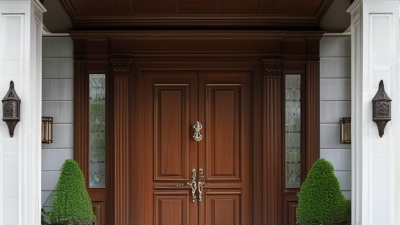
A luxury front door isn’t just about making a striking first impression — it’s kind of like the gateway to your home’s personality. When you choose a great front door nowadays, it’s about blending stunning design with security, weather-proofing, and everyday practicality. Think oversized pivot doors, rich dark oak panels, bronze hardware, and textured glass — these elements come together to really make a bold architectural statement.
Louis Kahn once said, “The door is not simply a hole in the wall. It is a place of arrival and departure.” That still hits home today. A thoughtfully designed entrance can frame a beautiful courtyard, soften an otherwise plain concrete façade, or even help direct natural light into darker hallways. Brands like Oikos Venezia, Pirnar, and Hörmann really show how craftsmanship can achieve that perfect mix of visual impact and dependable performance.
Choosing the right materials is so important. Solid timber looks warm and inviting, but if your door’s exposed to the elements regularly, it does need ongoing maintenance. Aluminum resists moisture really well, although it might feel a little less tactile to the touch. Glass can brighten things up and make your entrance feel more open, but don’t forget to think about privacy and heat control — those little details often get overlooked.
In reality, the best luxury front door designs actually start with the proportions of your home. If your facade is narrow, a more restrained, vertical door might be the way to go. For wider entrances, a bold pivot door with hidden hinges can really make a statement. And don’t forget, the devil’s in the details — good installers will check things like drainage, threshold height, thermal breaks, and lock alignment to ensure everything functions smoothly.
Now, not every expensive door automatically feels luxurious. Some might look amazing in photos but can feel heavy, cold, or just a bit awkward to use day-to-day. This guide is all about exploring refined, modern front door ideas, but also asking ourselves whether style should ever outweigh comfort, durability, and honest craftsmanship. After all, the door’s got to be both beautiful and practical in the real world.
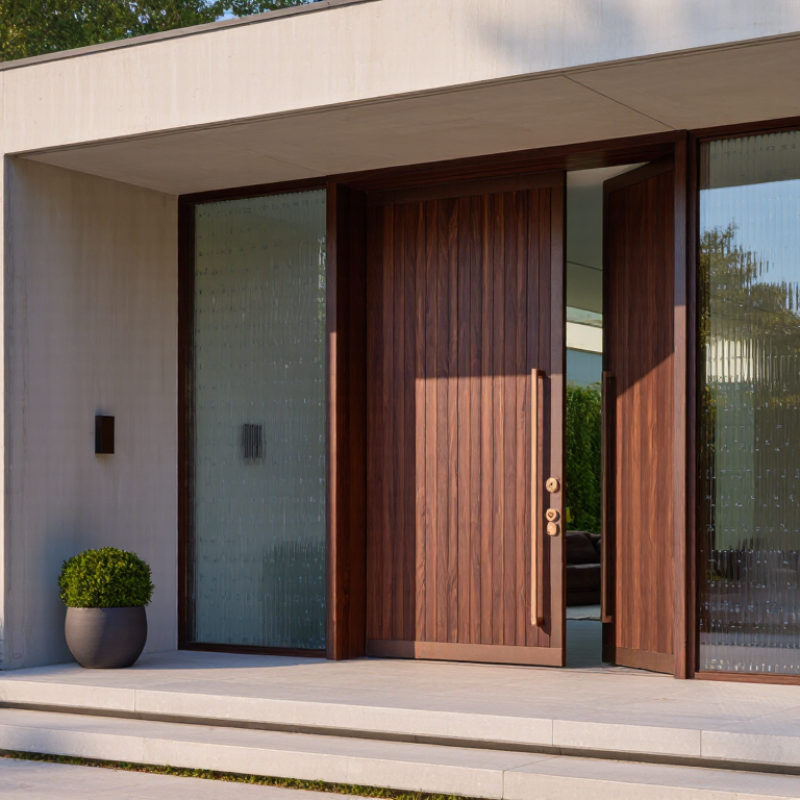
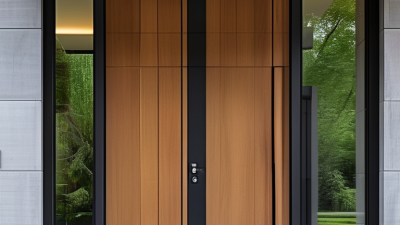
Luxury front door design for modern homes begins with proportion, not decoration. A wide pivot door can create a calm, generous entrance when its scale matches the façade. Deep walnut, textured stone, or patinated metal adds visual weight without unnecessary ornament. The material should feel natural under changing daylight.
In residential design work, I assess the entrance from the street and from inside the hallway. A narrow shadow gap can sharpen the door’s outline. Concealed hinges keep the surface clean, while a soft-close mechanism improves daily comfort. Warm lighting should reveal the grain at night, not produce glare. Weather seals, secure multipoint locks, and a properly drained threshold are equally important. Luxury must perform quietly.
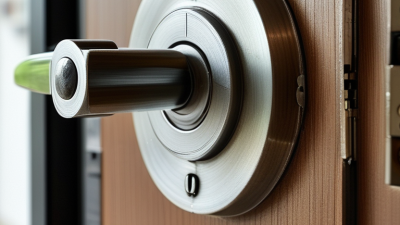
Small details often determine whether the design feels expensive or merely large. A recessed handle can be elegant, though it may feel less intuitive for guests. I once preferred a completely seamless façade, but the result lacked a welcoming human touch. That experience changed my approach. I now balance minimal lines with tactile cues, such as a slightly proud pull or a textured grip. Accessibility also matters: clear opening space, manageable hardware, and gentle lighting help every visitor enter confidently. Perfection is not always the goal. A door should age with dignity, withstand heavy use, and still feel personal years later.
Defining luxury front door design through proportion, material quality, security, energy performance, and long-term maintenance.
| Design Concept | Visual Characteristics | Typical Materials | Common Door Size | Glazing Options | Security Features | Maintenance Profile | Overall Luxury Appeal |
|---|---|---|---|---|---|---|---|
| Minimalist Pivot Door | Large uninterrupted surface, concealed frame, wide proportions, and a strong architectural presence. | Engineered timber, powder-coated metal, fiberglass, or metal-clad timber. | Approximately 1,000–1,500 mm wide and 2,200–3,000 mm high. | Usually solid; narrow vertical sidelights or an overhead transom may be added. | Multi-point locking, reinforced pivot hardware, laminated safety glass where glazing is used, and a reinforced frame. | Low to moderate; exposed timber requires periodic sealing, while powder-coated metal needs routine cleaning. | Very high |
| Warm Natural Timber Door | Rich grain, tactile surface, deep tones, and a welcoming contrast against stone, concrete, or white render. | Accoya-type modified timber, oak, walnut, teak, or other properly finished hardwoods. | Typically 900–1,100 mm wide and 2,100–2,400 mm high. | Clear, frosted, reeded, or bronze-tinted insulated glazing. | Five-point or multi-point lock, concealed hinges, security cylinder, and laminated or tempered glass. | Moderate to high; exterior finishes commonly require inspection and refinishing every few years, depending on exposure. | Very high |
| Fluted Glass Statement Door | Vertical ribbed texture, soft light diffusion, and a refined balance between privacy and transparency. | Aluminum, steel, or timber frame with laminated reeded or textured safety glass. | Approximately 900–1,200 mm wide and 2,100–2,500 mm high. | Double-glazed or laminated textured glass; low-emissivity coatings can improve thermal performance. | Multi-point lock, laminated glass, reinforced glazing beads, and concealed or security-rated hinges. | Low; glass requires regular cleaning, while aluminum or coated steel generally needs minimal upkeep. | High |
| Dark Metal and Glass Door | Strong geometric lines, charcoal or bronze finishes, and a contemporary industrial character. | Thermally broken aluminum or galvanized steel with insulated glass panels. | Usually 900–1,100 mm wide and 2,100–2,400 mm high. | Clear, low-iron, smoked, frosted, or laminated double glazing. | Multi-point locking, laminated safety glass, reinforced corner construction, and anti-lift hinge protection. | Low; durable factory-applied coatings generally require only mild cleaning. | High |
| Oversized Double Entry Door | Symmetrical composition, generous scale, matching handles, and a formal arrival experience. | Engineered timber, fiberglass, steel, aluminum, or combinations of these materials. | Total opening commonly ranges from 1,600–2,400 mm wide and 2,100–2,700 mm high. | Decorative sidelights, upper glazing, or narrow glass strips in each leaf. | Active-leaf multi-point lock, flush bolts on the inactive leaf, reinforced threshold, and laminated glass where applicable. | Moderate; larger moving parts require accurate adjustment and periodic hardware inspection. | Very high |
| Stone-Effect Contemporary Door | Monolithic appearance with textured mineral surfaces and a seamless relationship to modern façades. | Fiberglass, composite panels, sintered-surface veneers, or engineered panels over a structural door core. | Typically 900–1,200 mm wide and 2,100–2,500 mm high. | Generally solid, with optional slim sidelights or a concealed glazed insert. | Multi-point locking, impact-resistant outer skin, reinforced frame, and concealed hinges. | Low; non-porous composite surfaces usually resist moisture and require simple cleaning. | High |
| Arched Modern Door | A softened architectural silhouette that combines a curved head with minimal detailing and modern hardware. | Engineered timber, fiberglass, steel, or aluminum with a purpose-built curved frame. | Approximately 900–1,200 mm wide and 2,200–2,800 mm high, depending on the arch profile. | Clear, fluted, or opaque curved-top glazing may be incorporated. | Multi-point lock, custom curved frame reinforcement, laminated safety glass, and concealed hinges. | Moderate; specialist seals and curved components should be checked during routine maintenance. | Very high |
| Flush Integrated Door | Door leaf aligned with surrounding wall panels, concealed frame, and almost invisible hardware. | Aluminum, steel, timber veneer, fiberglass, or composite panels. | Commonly 900–1,100 mm wide and 2,100–2,700 mm high. | Usually solid; discreet side glazing or a narrow vertical insert can be added. | Concealed multi-point lock, security cylinder, reinforced jambs, and concealed hinges. | Low to moderate; alignment and seals should be inspected to preserve the flush appearance. | Very high |
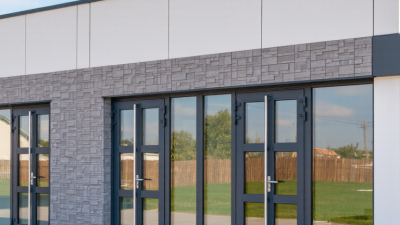
A double glazed glass pivot entry door brings scale, daylight, and architectural drama to a modern home. Its aluminum alloy frame combines low weight with high structural strength, allowing expansive glass panels without the visual heaviness of conventional doors. The pivot mechanism distributes the door’s load through top and bottom bearings, enabling smooth, controlled rotation even on oversized panels. A practical pull-handle opening method makes daily use intuitive, while optional stainless-steel screening supports ventilation and insect protection.
Energy performance is equally important. According to the International Energy Agency’s *Global Status Report for Buildings and Construction 2023*, buildings account for approximately 30% of global final energy consumption, making envelope design a critical part of reducing operational demand. Double glazing creates an insulating air or gas cavity between panes, helping limit heat transfer and improve indoor comfort. The U.S. Department of Energy also identifies low-emissivity glazing and insulated window assemblies as effective strategies for reducing heat loss and solar heat gain, depending on climate and orientation.
Available in customized dimensions, colors, configurations, and glass specifications, this bold aluminum front door can suit villas, apartments, offices, hotels, courtyards, and commercial entrances. ISO 9001, CE, and ASTM-related compliance options support quality control and project documentation, while factory sampling, a five-year warranty, and complete project assistance simplify specification for large residential and architectural developments.
A tall rectangular door can balance a low entrance. Wide pivot doors create a calm architectural presence. Oversized doors may look awkward beside narrow walls.
Long vertical grooves emphasize height. Narrow horizontal inlays can make the façade appear wider. Flush surfaces reduce visual noise.
Align glass panels with nearby windows when possible. This creates a clearer visual rhythm. Random spacing may feel accidental.
View the entrance from several meters away. Check the street sightline, garage, steps, lighting, and rooflines. Elevation drawings are not enough.
A width between 900 and 1,100 millimeters often feels generous. Measure the opening twice. A small installer tolerance review remains wise.
Flush slab doors suit clean modern homes. Teak-toned timber echoes mid-century rooflines. Dark steel-look frames fit industrial homes, but too much metal may feel cold.
Ask about tested thermal values, threshold drainage, weatherstripping, and multilayer seals. Attractive samples are not sufficient. Air leakage matters.
Ribbed timber can repeat the stone’s linear texture. The match does not need to be exact. Slight contrast often adds depth.
Custom sizing, glazing, delivery, and installation can change costs quickly. A major renovation may approach $24,000 in some cases. Estimates can still be imperfect.
A Luxury Front Door can become the defining feature of a modern home, combining refined appearance with security, durability, and practical performance. The best designs begin with strong, weather-resistant materials selected for their long-term value and visual character. Clean geometric shapes, balanced proportions, and carefully considered lines create a contemporary entrance, while premium finishes, sophisticated colors, and subtle textures add depth and individuality.
Glass panels can introduce natural light without sacrificing privacy when thoughtfully positioned, and distinctive hardware can enhance both function and style. Integrated lighting helps frame the entrance after dark, while smart security features provide convenient control and added peace of mind. Whether paired with minimalist, industrial, coastal, or warm contemporary architecture, the door should complement the home’s structure, materials, and overall atmosphere. A successful design is not merely decorative; it creates a welcoming transition between the exterior and interior while expressing a clear sense of modern luxury.