Thinking about painting your front door? Honestly, it can feel pretty overwhelming at first. I’ve chatted with pros like John Smith from ProHome Solutions, and he always says, “A freshly painted front door really boosts your home’s curb appeal.” But it’s not just about picking out a color — the real secret’s in the prep work and technique.
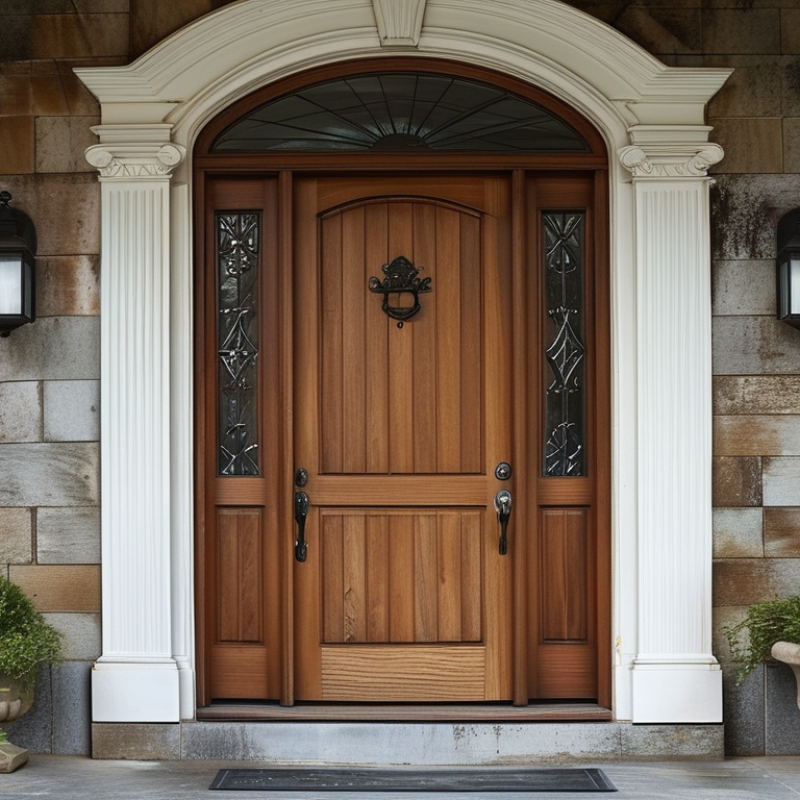
Painting a Round Top Entry Door can be a bit tricky because of all those curves and angles. My tip? Start by giving it a good sanding and cleaning first — that way, the paint will go on smoothly. Fair warning: not every brushstroke will be perfect on your first try. Drips, uneven patches — they happen to everyone, and honestly, they’re just part of the learning curve.
Choosing quality paint matters too. Go for exterior-grade stuff that can handle whatever weather throws at it. With the right tools and a bit of patience, even if you’re new to this, you can totally learn how to paint your door like a pro. And hey, don’t stress the imperfections — sometimes they lead to the coolest surprises in your DIY adventures!
Choosing the Right Paint for Your Entry Door
Choosing the right paint for your entry door is crucial for both aesthetics and durability. Start by considering the type of material your door is made of. Wooden doors may require a different paint compared to steel or fiberglass doors. Look for paint specifically designed for exterior use as it can withstand various weather conditions.
Color plays a significant role in your home’s curb appeal. Opt for colors that complement your home's exterior and reflect your personality. Dark colors absorb heat, which can cause warping over time. Light colors, on the other hand, may show dirt more easily. This requires more frequent cleaning and maintenance.
Consider the finish as well. Glossy finishes offer a sleek look and are easier to clean, but they can accentuate imperfections in the door's surface. Matte finishes, while elegant, may need touch-ups more often. Reflect on what each finish says about your style and how much upkeep you are willing to commit to maintain that appearance.
Preparing the Door Surface for Painting
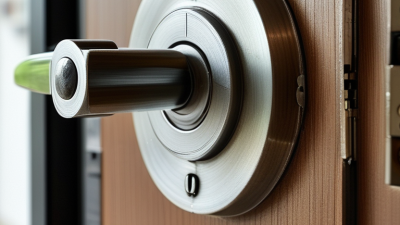
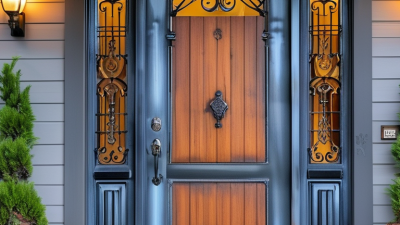
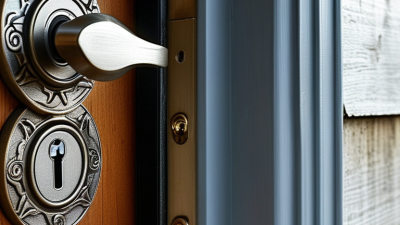
Preparing your entry door for painting is crucial for achieving a professional finish. Begin by removing any hardware, including doorknobs and hinges. This prevents splatter and allows for a clean paint job. If you have a Wrought Iron Glass Entry Door, handle it with extra care. Use painter's tape to protect the glass areas. Don’t skip this step; it ensures clean edges.
Next, clean the door thoroughly. Use a mixture of soap and water to remove dirt and grease. For older doors, sand down any rough spots. This serves two purposes: it helps the new paint adhere better and gives you a smoother finish. If you notice peeling paint, it’s wise to strip the old paint completely. This may take more time, but it results in a better-looking door overall. Remember, if the surface isn’t prepared well, the paint won’t last.
Consider the humidity and temperature. High humidity can slow down the drying process. It’s best to paint when conditions are optimal. Applying the paint in thin coats helps achieve a professional look. Don't rush this process. Reflect on your techniques; if you notice drips, take a step back and adjust your approach.
How to Paint Your Entry Door Like a Pro: Door Surface Preparation
Essential Tools and Materials Needed for the Job
When preparing to paint your entry door, gathering the right tools and materials is essential. Start with a high-quality paintbrush. A good brush makes a significant difference in the finish. An angle brush is particularly useful for detailed areas. You’ll also need a roller for broader surfaces. Choose one with a smooth nap for an even coat. Don't forget a sturdy roller tray for easy paint application.
Next, gather your materials. Sandpaper is vital for a smooth surface. It helps remove old paint and any imperfections. Use at least two grit levels; coarse for initial sanding and fine for finishing touches. A primer is necessary to enhance paint adhesion. Select a primer compatible with your paint type. Drop cloths will protect your floors and any surrounding areas from spills.
Safety gear is often overlooked. Wear gloves to protect your hands. Use a mask, especially if sanding or working with strong fumes. Consider goggles as well. Painting can be a messy job, and accidents happen—even to seasoned pros. Ensure your workspace is clean and organized for better focus. Reflection on your process can lead to improvement in future projects.
Step-by-Step Painting Process for Entry Doors
Painting your entry door can transform your home's appeal. Here's a step-by-step painting process designed for beginners and pros alike.
Start by gathering your supplies: high-quality paint, brushes, painter's tape, and a drop cloth. Remove the door if possible, as this allows for easier access. Clean the door thoroughly to ensure proper paint adhesion. If you find scratches or old paint bubbles, don't hesitate to sand those areas. Preparing your surface is crucial for a smooth finish.
Apply painter's tape to edges to protect trim and surrounding areas. When you're ready, pour your paint into a tray. Use a brush for edges and a roller for large surfaces. This method ensures even coverage. Remember, it's better to apply multiple thin coats than one thick layer. As you enjoy the process, don't stress if some areas need touch-ups later. Skill comes with practice.
Tips: Always test your paint color on a small section before committing. Monitor the weather too; avoid painting on rainy days. If you're using a Patio Entry Door, consider the impact of sun exposure on your paint's longevity. Let each coat dry completely before adding the next. Consistency is key, even if that means waiting a bit longer. Embrace the imperfections in your project; they often add to the character of your door.
Techniques for Achieving a Smooth Finish
When painting your entry door, achieving a smooth finish is key to a professional look. According to the National Association of Home Builders, a well-painted door can add up to 10% to your home’s value. The right techniques can make a big difference.
Start by selecting high-quality paint and tools. Use a foam roller for an even application. This prevents brush marks and creates a sleek surface. Apply paint in thin layers, allowing each coat to dry completely. The ideal drying time is usually around 24 hours, but this can vary. Do not rush; patience pays off.
Tip: Sand between coats. Lightly sanded surfaces help the paint adhere better, resulting in a more durable finish. Use fine-grit sandpaper to avoid creating deep scratches. After sanding, make sure to clean the surface with a damp cloth to remove any dust.
One common mistake is ignoring the environment. Humidity can affect your paint’s drying time and finish quality. The ideal humidity level for painting is between 40-60%. If your environment is too humid, the paint may not set properly, leading to peeling or bubbling. Always check conditions before starting your project.
Tips for Drying and Curing Time
When painting your entry door, the drying and curing time is crucial. The right timing ensures a smooth finish. After applying the first coat of paint, allow at least six to eight hours for it to dry to the touch. However, don’t rush to apply a second coat. Waiting up to 24 hours can significantly improve the final look. Humidity and temperature affect drying times, so consider the weather. If it's humid, drying may take longer.
Curing time is a different matter. It refers to the period your paint needs to reach its maximum hardness. This can take up to two weeks. During this time, avoid heavy contact with the door. It’s tempting to show off your newly painted Security Entry Door right away. However, premature handling may lead to fingerprints or even damage. Keep the door secure and untouched during this period.
Even experienced painters sometimes overlook these important times. Rushing the process can lead to flaws. Observing the specific conditions can help achieve a professional look. Paying attention to drying and curing details truly enhances your door’s finish. It’s worth the wait for a flawless appearance.
Final Touches and Maintenance for Your Painted Door
Maintaining a freshly painted entry door is crucial for its longevity and appearance. Research indicates that doors exposed to harsh weather can show signs of wear within a year. Experts suggest a semi-annual inspection to assess any fading or chipping. A common mistake is neglecting the protective seal; reapplying a clear coat every few years ensures the paint's vibrancy. This is especially important for a Large Entry Door that often faces more exposure.
Cleaning is another vital aspect of maintenance. Use a mild soap solution and a soft cloth to clean the surface. Avoid abrasive cleaners, as they can scratch the paint. Many homeowners overlook this, resulting in a dull finish over time. According to industry reports, regular maintenance can improve the lifespan of paint by 50%. This applies specifically to larger surfaces like a Large Entry Door, which may require more attention.
Finally, consider seasonal touch-ups. Extreme temperature changes can affect paint integrity. These fluctuations are particularly hard on large surfaces. Small chips can lead to bigger problems if not addressed promptly. Investing in quality tools, like high-density foam rollers, can make a significant difference in achieving a flawless finish. Being aware of these details enhances both functionality and aesthetics.
Enhancing Home Security and Aesthetics: Insights from the 2023 Door Industry Trends Report on Modern Turkish Style Stainless Steel Security Doors
The 2023 Door Industry Trends Report highlights the fusion of modern aesthetics and robust security features, particularly in the realm of Turkish Style stainless steel security doors. As homeowners seek to elevate their living spaces while prioritizing safety, the demand for doors that reflect contemporary design trends without compromising on security is increasingly prevalent. Modern Turkish designs embrace minimalism, offering clean lines and elegant finishes that appeal to a wide variety of architectural styles.
An innovative approach to door design, as shown in many recent trends, centers around combining structural integrity with visual appeal. For instance, advanced manufacturing techniques are utilized to create steel doors that not only meet stringent safety requirements—such as a 1.5-hour fire rating certification—but also maintain a lightweight profile for ease of use. This dual functionality addresses the growing consumer need for doors that can seamlessly integrate into both residential and commercial properties, from sleek apartment entrances to inviting hotel lobbies.
The adoption of international quality certifications like ISO9001 and CE in door manufacturing not only assures customers of high standards but also enhances market competitiveness. As the report indicates, consumers are increasingly inclined towards products that offer direct factory pricing and comprehensive project solutions. This highlights a significant shift in the market, where modern design meets practicality, enabling a broader audience to achieve both aesthetic and security enhancements in their properties.
FAQS
: Consider the door material. Wooden, steel, and fiberglass doors need different paints. Use exterior-grade paint for durability.
Choose colors that match your home's exterior. Dark colors absorb heat and may warp. Light colors show dirt more easily.
Glossy finishes are sleek and easy to clean, but highlight imperfections. Matte finishes look elegant but may need frequent touch-ups.
Use a high-quality paintbrush and roller. Sandpaper and primer are also necessary. Don’t forget drop cloths for protection.
Always wear gloves and a mask. Goggles can protect your eyes. Keep the workspace clean to avoid accidents.
Inspect the door biannually for wear. Reapply a clear coat to maintain vibrancy. Regular cleaning can prevent dull finishes.
Neglecting the protective seal leads to rapid paint deterioration. Reapplying sealant can significantly enhance the paint’s longevity.
Extreme temperatures can compromise paint integrity. Small chips may develop into larger problems if left unattended, especially on larger surfaces.
Conclusion
Painting your entry door can significantly enhance your home's curb appeal, and knowing how to paint entry door effectively is essential for achieving professional results. Start by choosing the right paint suited for exterior surfaces, which ensures durability and weather resistance. Preparing the door surface is crucial; clean and sand the door to create a smooth base. Gather essential tools such as brushes, rollers, and painter's tape to facilitate the painting process.
Following a step-by-step approach, begin with priming if necessary, then apply paint evenly using the right techniques for a smooth finish. Pay attention to drying and curing times to prevent smudges or imperfections. Finally, after the paint has dried, add finishing touches and establish a maintenance routine to keep your door looking fresh and vibrant for years to come. By following these tips and tricks, you can successfully learn how to paint entry door like a pro.