Leave Your Message
Need Live Support?
Chat With Us Now
Chat With Us Now
Choosing between a single or double entry door isn’t just about which one looks fancier or more impressive. Honestly, it really changes how the opening functions—stuff like the proportions, how wide it feels when you walk in, and even what kind of hardware you’ll need for everyday use. Generally speaking, a single door works well for smaller porches and simple layouts—nothing too fancy. On the other hand, a double door can really make moving furniture in and out a breeze and give your entryway a more open, welcoming vibe. Just keep in mind that both doors need space to swing open comfortably, so the available room matters. Little details here really do make a difference.
Now, I came across the 2024 Cost vs. Value report from Zonda and Remodeling magazine, and it shows that replacing a steel entry door in the U.S. generally recoups about 188.1% of the cost—a pretty solid return. But honestly, that number isn’t telling us which door style is better in every situation. It’s more about the general market; it doesn’t guarantee that a single or double door will add more value to your specific home. Local prices, installation conditions, and your home's layout all play a part there.
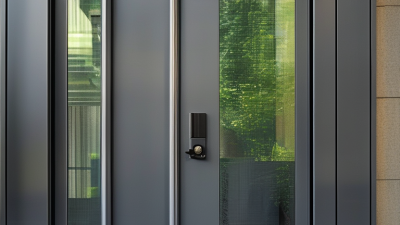
Gary Katz, who’s kind of a pro when it comes to door installation, really emphasizes the importance of proper fitting and installation. That practical side of things is so key when you're comparing styles. Sure, a big double door can look really impressive, but if the threshold isn’t even or the hinges aren’t adjusted right, it can become pretty frustrating to use. A stainless steel single door might be easier to fit into a narrow entrance, but if your porch and opening are spacious, a double-door setup might work better. The main thing is to measure the clear opening, check how the doors swing in relation to nearby walls, and think about who’s usually using that entrance each day. Small details truly matter here. There’s no one-size-fits-all answer, and looks alone shouldn’t be the only reason to pick one over the other. To help out, this guide looks at space, security, maintenance, and cost, so you can make a more grounded, smarter decision for your home.
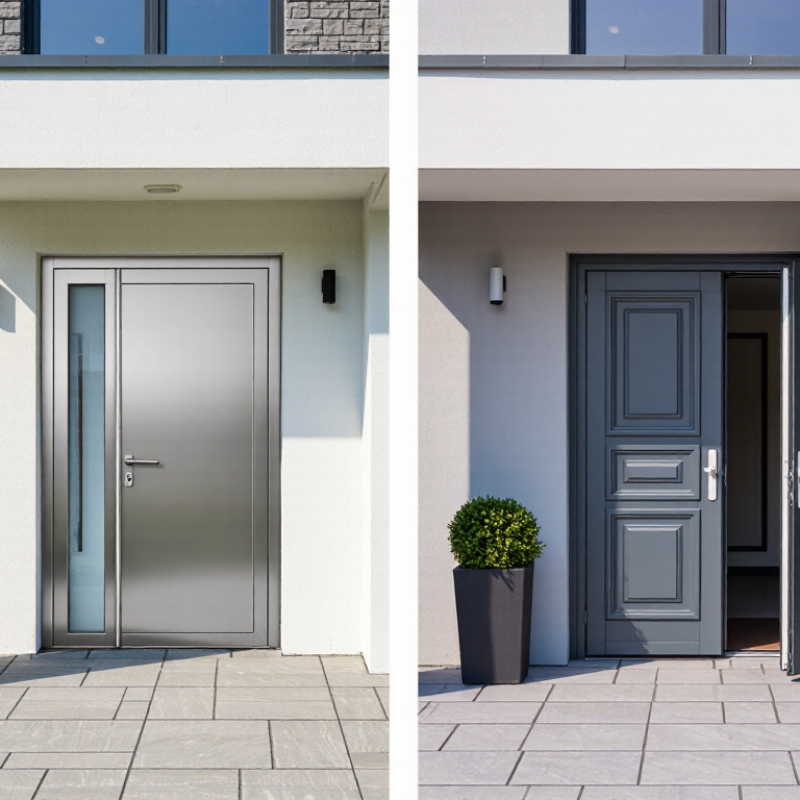
Single and Double Entry Doors: Basic Design Differences
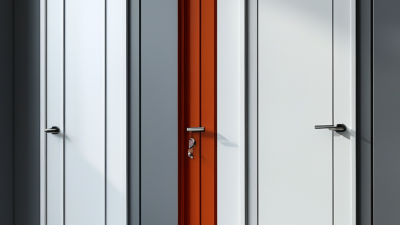
A single entry door uses one operating leaf, usually hinged on one side. It needs less wall width and has fewer moving parts, which can simplify weather sealing. A double entry door pairs two leaves within one frame. Often, one leaf opens daily while the second stays secured with flush bolts. Open both, and bulky furniture moves through more easily. But the wider opening also needs careful alignment.
The 2021 International Residential Code, Section R311.2, specifies a 32-inch minimum clear width for a required egress door in covered homes. That figure describes usable passage, not the door slab itself. It offers a practical benchmark when comparing layouts. For energy performance, the National Fenestration Rating Council certifies products using standardized ratings, including U-factor. Check the actual label; two similar-looking doors may perform differently. More width does not automatically mean more comfort.
In a narrow foyer, a single door may leave more room for a bench or coat hooks. A double door can suit a broad facade, but its meeting edges and extra hardware deserve attention during installation. I would not choose by appearance alone; that can be an easy mistake. Also, a Single Swing Driveway Gate is a separate outdoor access feature, not a double entry door. Measure the opening, swing clearance, and daily traffic before deciding.
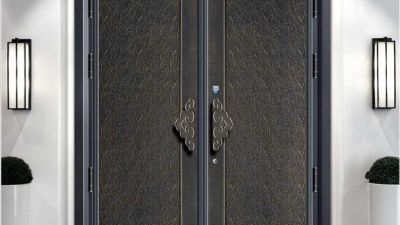
A villa entrance sets the tone for the entire home, and a pair of luxury cast aluminum double steel doors can make that first impression feel both grand and welcoming. Their twin opening panels create a balanced, spacious entry, while decorative cast aluminum relief brings depth and artistry to the façade. From a classical manor to a contemporary mansion, the detailed finish can complement the architecture and give the entrance a distinctive sense of presence.
Beneath the ornamental exterior, an embedded steel framework provides a sturdy foundation for everyday use. The combination of expressive aluminum craftsmanship and robust steel construction brings visual appeal together with reassuring stability and security. Carefully proportioned panels can help frame a tall entrance, while the sculpted details catch changing light throughout the day. More than a practical point of access, these doors become an architectural feature that shapes how residents and visitors experience the villa from the moment they arrive.
Common options include engineered timber, steel, aluminum, and material combinations. Timber can feel warm indoors, but exposed edges need moisture protection. Steel feels substantial. Aluminum is lighter and resists corrosion, though frame design affects insulation.
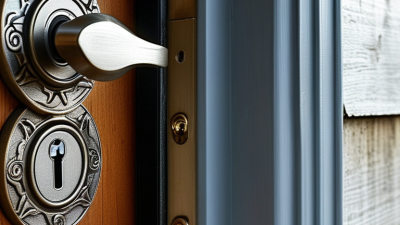
Ask about the core, insulation, reinforced lock area, and seals on all four sides. For double doors, inspect the meeting stile and flush bolts. Details matter. A polished sample cannot show how the frame will fit your home.
Compare usable opening width, daily traffic, and available wall space. Double doors can make moving furniture easier, but the inactive leaf needs dependable hardware and occasional adjustment. That part is easy to overlook.
Measure the rough opening and confirm the frame is square. Uneven floors or walls can create sticking, uneven gaps, or water entry. Measure twice. I would still recheck everything on site.
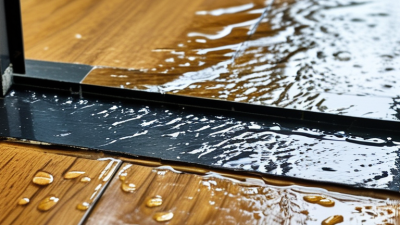
Check weatherstripping and sill drainage periodically. Double doors may also need attention to both sets of hinges, the center seal, and flush bolts. Singles have fewer moving parts, but they still need care.
A 2024 U.S. benchmark lists a typical steel entry-door replacement at about $2,355. It covers a single door, not a direct double-door estimate. Local labor and opening changes can shift the price.
Air sealing and insulation can help reduce a home’s heating and cooling use. One reported average is 15% for the home, not the door alone. A poor frame fit can still cause drafts.
Request clear material specifications, frame dimensions, finish options, and installation guidance. Then compare them with the actual opening. I may be overlooking local conditions, so site measurements still matter.
Choosing between a single and double entry door depends on your home’s layout, practical needs, and local climate. A single door generally suits narrower entrances and requires less opening space, while a double door offers a wider passage and a more spacious appearance but needs enough room to swing open. In China, both styles can be made from materials such as steel, aluminum, wood, or composite products, with construction quality affecting durability and performance.
When comparing Single Vs Double Entry Door options, consider security, insulation, and resistance to rain, wind, and temperature changes. Careful fitting, quality seals, and suitable hardware can help either design perform well. Also account for installation, routine maintenance, and long-term costs, not just the initial purchase. The right choice is the one that fits your entrance dimensions, household use, and regional weather while balancing appearance, comfort, and upkeep.