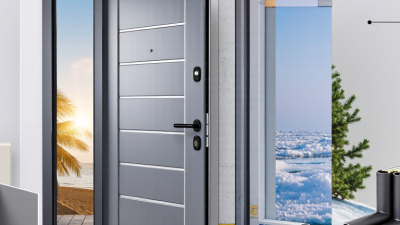
Picking a secure entrance isn't just about grabbing the thickest door you can find. A high security entry door really has to balance strength, everyday usability, weather protection, and proper installation. And honestly? In real building assessments, the frame often matters just as much as the door leaf itself. You can have a tough slab, but if the surrounding structure is weak, it won't perform the way you'd hope.
This guide walks through ten practical entry door types—reinforced steel doors, solid-core timber doors, security fiberglass doors, aluminum systems, blast-resistant assemblies, fire-rated doors, and modern multipoint locking designs. Each one fits a different setting. A steel door might be great for a warehouse, while a reinforced timber door could be a better match for a residential entrance. Don't overlook glazing, hinges, thresholds, seals, and lock cylinders either. Small details? They matter.
Not every product marketed as a high security entry door offers the same level of protection. You should check specs against recognized testing, installation conditions, and the building's actual risks. A reliable High Security Entry Door Supplier should be clear about performance limits instead of making absolute promises. That kind of honesty builds trust. It also helps buyers avoid unnecessary upgrades and surprise maintenance costs. No ranking is perfect, of course. Climate, traffic, budget, and local construction methods can all change what the best choice is. The overview below is meant to give practical guidance from a professional perspective, while still acknowledging that door security depends on the complete entrance system—not just one impressive feature.
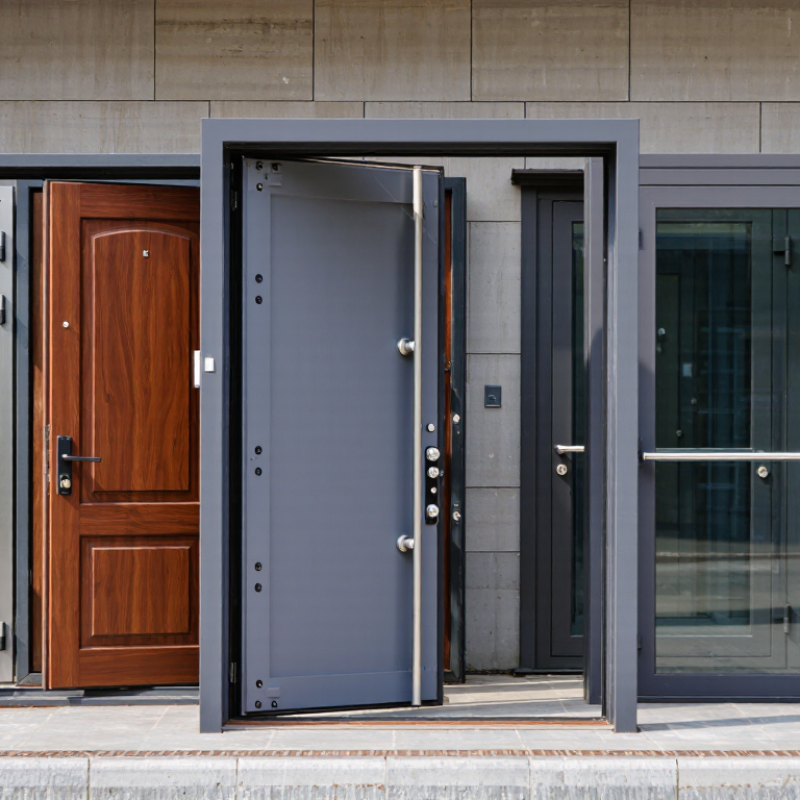
A high-security entry door is a tested barrier, not simply a heavy door. It combines a reinforced leaf, strong frame, certified lock hardware, and controlled installation. The FBI Crime Data Explorer estimated 847,522 burglary offenses in the United States in 2022. This figure explains why entry resistance deserves practical attention.
Common types include steel, solid-core composite, armored, fire-rated, blast-resistant, and multi-point locking doors. Their core features should include anti-pry edges, reinforced strike plates, protected hinges, laminated glass, and compression seals. ANSI/BHMA A156.13 evaluates commercial lock performance, while ASTM F476 provides security testing methods for residential door assemblies. Certification matters. Marketing language alone does not.
A reliable assessment checks the complete assembly. A Grade 1 lock can still fail against a weak frame. Installers should anchor the jamb into structural material, keep gaps even, and test latch engagement after installation. Field problems often appear at the threshold, especially when loose screws or poor alignment leave a visible pry gap. Small details matter.
A High Security Entry Door Wholesaler should provide test documentation, installation guidance, and replacement-part information. Ask for air, water, forced-entry, and fire ratings when relevant. No door is invulnerable. Even strong specifications may underperform when maintenance is ignored, and that limitation deserves honest discussion.
Top 10 High Security Entry Door Types
Steel entry doors remain a practical choice for high-security buildings. They resist impact, warping, and surface damage better than many lightweight materials. However, steel alone does not guarantee protection. The frame, hinges, lock area, glazing, and wall connection must work as one tested assembly.
NFPA’s Home Structure Fires report recorded an estimated 357,000 home structure fires annually in the United States from 2016 to 2020. Steel does not burn like wood, but fire performance depends on the complete door assembly. NFPA 80 and UL 10C testing help verify fire-door design, labeling, and installation. A hollow steel door may look strong. Its rating can still be inadequate.
Forced-entry resistance also depends on construction details. Look for reinforced hinge edges, protected lock pockets, continuous frames, and anchored strike plates. ASTM F476 provides recognized methods for evaluating door assembly performance. In practical inspections, weak installation often undermines a strong door. That is easy to overlook.
A steel door is not invincible. Poor alignment can create gaps, while thin frames may deform under pressure. Security claims should include test scope, rating duration, and installation requirements. Independent laboratory documentation matters more than showroom language. Some specifications remain unclear, and buyers should question them. Price alone is not a reliable security measure.
This comparative chart uses a 1–5 performance scale based on typical door construction and specification practices. Fire resistance depends on the tested door, frame, glazing, hardware, and installation assembly under applicable fire-test standards. Forced-entry protection depends heavily on core construction, hinges, locks, frames, and anchoring; the scores are not certification claims.
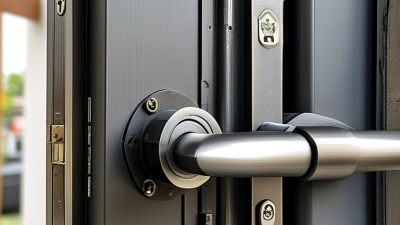
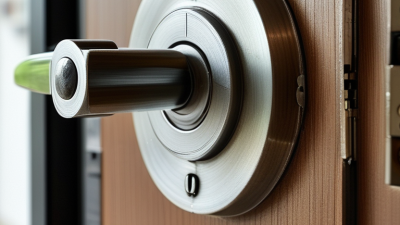
A multi-point locking door secures the panel at several locations, not just one central latch. When the handle turns, sturdy bolts extend into the frame near the top, center, and bottom. This distributes pressure across the opening. A pry tool then has fewer weak points to exploit. The system also helps reduce door movement during strong wind or repeated daily use. It feels different in practice. The handle may require a firm, complete turn.
Reliable performance depends on more than the lock itself. The frame must be properly reinforced, and the strike areas need accurate alignment. Hinges should support the door without excessive movement. A professional installer checks these details with feeler gauges, level tools, and repeated opening tests. Seasonal swelling can still affect operation. That part is often underestimated. Routine lubrication and inspection matter, especially in damp entryways.
A qualified High Security Entry Door Manufacturer should explain the complete security design, including cylinder protection, bolt depth, frame strength, and emergency exit requirements. Independent testing can provide useful evidence, but test results do not replace a careful site assessment. Some doors are overbuilt for one property and poorly fitted for another. That is where experience matters. Homeowners should ask how the distributed mechanism is serviced, what happens if alignment changes, and whether replacement parts remain available. A multi-point system is strong, but it is not magic.
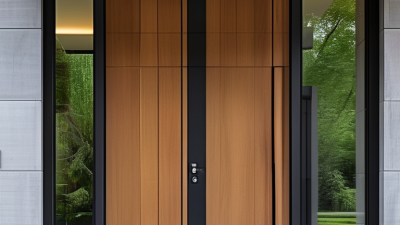
Reinforced wood and composite doors offer a practical balance between security and architectural character.
According to the FBI Crime Data Explorer, the United States recorded approximately 847,522 burglary offenses in 2022. A strong entry door remains a meaningful first barrier, especially when its frame, hinges, and lock work together.
A reinforced wood door can retain natural grain while using steel plates, laminated cores, and protected hinge zones. Composite doors often combine fiberglass skins with dense foam or engineered timber cores. They resist swelling better than ordinary wood, but quality varies. Check independent test evidence, not only attractive specifications.
EN 1627 resistance classifications can help compare tested door assemblies, including the frame and hardware. The door alone is never the whole answer.
A qualified High Security Entry Door Factory should document core construction, cylinder protection, hinge reinforcement, and installation tolerances.
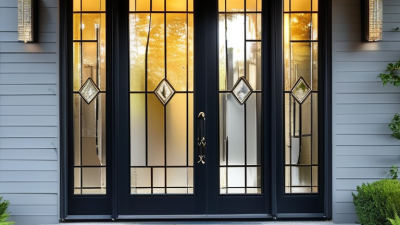
Field experience shows small gaps can undermine expensive materials. A three-millimeter reveal may look harmless, yet poor alignment can weaken sealing and locking performance. Glass panels need careful evaluation, too. Laminated security glazing can improve forced-entry resistance while preserving daylight.
Still, no residential door is impossible to defeat. That limitation deserves honest discussion. Personal observation matters: test the latch after seasonal movement, inspect screws annually, and question vague claims such as “maximum security.”
Top 10 High Security Entry Door Types
Bullet-resistant and blast-resistant doors serve different threats, yet both require complete tested assemblies. A reinforced steel leaf is only one part. The frame, hinges, glazing, locks, seals, and surrounding wall must perform together. Bullet-resistant models may use layered steel, aramid fibers, or ballistic glass. Their protection level depends on verified testing, not thickness alone. Details matter.
Blast-resistant doors manage pressure waves, flying fragments, and sudden movement. They usually include reinforced frames, strong anchoring, controlled hardware, and flexible seals. Some designs open outward, while others use specialized pressure-rated construction. The correct choice depends on blast pressure, impulse, room layout, and evacuation needs. A qualified engineer should review these factors before selection. Testing is essential.
High-security options may include single-leaf, double-leaf, glazed, acoustic, fire-rated, forced-entry, and combined ballistic-blast doors. However, combining ratings can create trade-offs. A heavier door may slow daily access or overload weak hinges. A tight seal can improve protection but complicate maintenance. Field inspections often uncover gaps around thresholds and frames. These small failures matter. Specify documented test results, installation procedures, inspection intervals, and replacement parts. No door is universally secure. Performance must match the building, threat assessment, and people using the entrance.
| No. | Door Type | Primary Threat Addressed | Typical Construction | Relevant Testing or Reference Standards | Key Performance Factors | Typical Applications | Important Selection Considerations |
|---|---|---|---|---|---|---|---|
| 1 | Bullet-Resistant Hollow Metal Door | Handgun and rifle projectile threats, depending on the tested rating | Welded or reinforced steel door leaf, ballistic steel inserts, protected hinges, and a compatible reinforced frame | UL 752 and NIJ 0108.01 may be used as references for bullet-resistance evaluation, depending on the project specification | Ballistic rating of the complete door assembly, lock and hinge protection, frame continuity, and resistance to forced entry | Security control rooms, government facilities, financial facilities, utility buildings, and controlled-access entrances | Performance applies only to the tested configuration. Vision panels, hardware, seams, and frames must have compatible ratings. |
| 2 | Solid Steel Ballistic Door | Higher-level ballistic threats and severe forced-entry attempts | Heavy-gauge steel construction with internal ballistic plate or composite armor, reinforced edges, and heavy-duty hardware | UL 752, NIJ 0108.01, or a project-specific ballistic test protocol | Projectile resistance, structural rigidity, hinge-side protection, lock-side reinforcement, and safe operating weight | Armories, secure storage areas, protected command rooms, critical infrastructure, and high-risk reception areas | Large or heavily armored leaves can impose substantial loads on hinges, frames, walls, and floor thresholds. |
| 3 | Ballistic Glass-Clad Security Door | Ballistic attack combined with the need for visibility or daylight | Ballistic-rated glazing installed in a reinforced steel or composite door leaf with a matching ballistic frame | UL 752 and NIJ 0108.01 are commonly referenced for ballistic glazing and assembly performance | Glazing thickness and construction, edge retention, frame protection, optical quality, and resistance to spall or penetration | Security lobbies, guard stations, inspection points, embassies, and protected observation areas | The glazing, glazing stops, frame, and door leaf should be tested together; ordinary safety glass is not ballistic protection. |
| 4 | Ballistic Composite Architectural Door | Ballistic threats where a less industrial appearance is required | Composite armor layers concealed beneath architectural wood, laminate, or decorative metal finishes | UL 752, NIJ 0108.01, or an approved project-specific ballistic test method | Concealed armor continuity, finish durability, door weight, hardware compatibility, and complete assembly rating | Executive offices, diplomatic facilities, luxury residential security entrances, and discreet protected rooms | Decorative finishes must not interrupt the protective layer. The tested finish, hardware, and frame arrangement should be maintained. |
| 5 | Blast-Resistant Steel Door | Overpressure, blast pressure, flying debris, and short-duration explosive events | Reinforced steel leaf, stiffeners, heavy-duty frame, engineered anchors, and pressure-rated latching hardware | ASTM F1642 may be referenced for blast testing; projects may also specify government or defense-sector blast criteria | Peak reflected pressure, impulse, permanent deformation, fragment retention, rebound behavior, and post-event operability | Critical infrastructure, industrial sites, government buildings, energy facilities, and perimeter security zones | Blast performance depends heavily on wall construction, anchorage, surrounding structure, door swing, and the tested pressure-impulse level. |
| 6 | Pressure-Relieving Blast Door | Blast overpressure where controlled pressure relief is part of the design strategy | Engineered steel door or panel system with controlled venting, pressure-release hardware, and reinforced anchorage | Project-specific blast testing; ASTM F1642 or other applicable blast test criteria may be specified | Pressure-release threshold, venting direction, fragment control, reset capability, and structural response | Industrial processing areas, hazardous-material zones, utility rooms, and facilities requiring controlled blast relief | Pressure-relief systems must be engineered for the room volume, hazard scenario, vent path, and required personnel protection. |
| 7 | Combined Ballistic and Blast-Resistant Door | Projectile threats and explosive overpressure in the same protected opening | Layered steel or composite armor, reinforced blast-resistant frame, protected hardware, and tested ballistic glazing if required | Ballistic evaluation may reference UL 752 or NIJ 0108.01; blast evaluation may reference ASTM F1642 or project-specific criteria | Compatibility of ballistic and blast ratings, frame anchorage, latch engagement, deformation limits, and post-event security | High-risk government facilities, security checkpoints, critical communications sites, and protected command centers | A door rated for bullets is not automatically blast-resistant. Both threats must be included in the same engineering and test program. |
| 8 | Gas-Tight Blast Door | Blast pressure combined with smoke, toxic gas, chemical, or contaminated-air intrusion | Reinforced steel door leaf with continuous seals, compression latches, protected thresholds, and a pressure-rated frame | Blast testing is project-specific; air leakage and gas-tightness requirements may be defined by the building, industrial, or civil-defense specification | Air leakage rate, seal compression, pressure differential, chemical compatibility, blast response, and emergency egress requirements | Hazardous industrial facilities, emergency shelters, protected utility rooms, laboratories, and contamination-control zones | Seals and thresholds require regular inspection. Gas-tight performance can be lost through misalignment, wear, or damaged gaskets. |
| 9 | Forced-Entry-Resistant Security Door | Ram attacks, prying, cutting, drilling, impact, and unauthorized manipulation | Reinforced steel or composite leaf, multi-point locking, anti-pry edges, security hinges, and anchored frames | EN 1627–EN 1630 or ASTM F3038 may be relevant, depending on the jurisdiction and specified attack-resistance class | Attack-tool resistance, lock protection, hinge protection, frame anchorage, cycle durability, and resistance to bodily impact | Data centers, service entrances, warehouses, retail cash areas, and restricted commercial facilities | Forced-entry resistance does not equal bullet or blast resistance. Separate performance ratings are required for those hazards. |
| 10 | High-Security Detention or Secure-Compartment Door | Escape, unauthorized access, tampering, impact, and prolonged mechanical attack | Heavy-duty steel leaf, tamper-resistant hinges, concealed or protected hardware, robust frame, and controlled locking system | Performance is often specified through correctional, detention, government, or project-specific security requirements | Anti-tamper design, impact resistance, hinge and lock protection, observation-panel security, fire performance, and maintainability | Correctional facilities, secure hospitals, police facilities, evidence rooms, and protected internal compartments | Door hardware, access control, emergency release, fire safety, and staff-operability requirements must be coordinated from the beginning. |
Note: Ballistic, blast, fire, forced-entry, and gas-tight ratings are not interchangeable. The stated performance must be verified for the complete door assembly, including the leaf, frame, hinges, locks, glazing, seals, anchors, surrounding wall, and installation method.
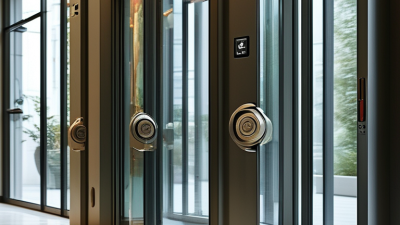
A high-security entry door now does more than resist forced impact. It verifies who enters, records approved events, and limits access by schedule. Biometric readers can recognize a fingerprint, facial pattern, or iris, depending on the building’s needs. For wet hands, gloves, or poor lighting, a second method remains important. A PIN pad or encrypted credential can prevent unnecessary lockouts. Small details matter.
A reputable High Security Entry Door Company should assess the frame, hinges, glass, wiring, and surrounding walls. A strong door is ineffective when the frame flexes beside it. Electronic locks need protected power, secure network settings, and a tested emergency release. Audit logs can show the time, user, and access point without relying on memory. Keep data collection limited. Privacy deserves equal attention.
In daily use, staff should clean readers and test backup batteries on a fixed schedule. I have seen access plans fail because nobody updated a former employee’s permissions. That is not a hardware defect. It is a management gap. Biometric systems can also reject legitimate users, especially after injuries or environmental changes. No system is flawless. Regular reviews, clear consent, and trained administrators make smart doors more dependable.
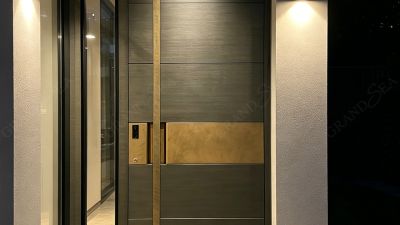
A modern stainless steel pivot door can turn an entrance into a defining architectural feature. Unlike a conventional hinged door, its central-axis rotation supports wider and taller formats, making it suitable for modern villas, designer residences, and premium commercial spaces. The ultra-long handle extends across the door face, creating a clear visual line and a smooth push-to-open experience. This long-handle design combines ergonomic operation with minimalist exterior style, while the aluminum-alloy structure and stainless steel screen netting provide a balanced approach to durability, ventilation, and daily security.
Performance should remain as important as appearance. The U.S. Department of Energy notes that windows and doors are key areas of heat transfer in a building envelope, so careful detailing, weather sealing, and professional installation can improve comfort around the entryway. The pivot system also allows larger openings that introduce more natural light and airflow when paired with suitable screened configurations. In addition, the fire-prevention capability should be evaluated through tested assemblies and project-specific compliance requirements rather than appearance alone. The 2023 UNEP Global Status Report for Buildings and Construction reported that buildings account for approximately 34% of global energy demand, reinforcing the value of thoughtful material and envelope design. With its oversized proportions, security-focused construction, and distinctive rotation mechanism, this exterior pivot door offers a contemporary entrance solution without sacrificing practical performance.
It uses a reinforced door leaf, strong frame, certified hardware, and controlled installation. Weight alone proves little.
A strong lock can fail against a weak frame. The jamb, hinges, glass, seals, and wall must work together.
Several bolts engage near the top, center, and bottom. Pressure spreads across the frame. It is not magic.
They should anchor the jamb into structural material and keep the gaps even. The latch must engage fully.
Look for loose screws, uneven gaps, movement, or a visible space near the threshold. Small errors matter.
Yes. Ask for documented forced-entry, fire, air, water, or specialized protection ratings when relevant.
Inspect bolts, hinges, seals, and alignment regularly. Lubricate approved parts. Seasonal swelling may change the fit.
No. Engineers should review the building, wall structure, pressure requirements, evacuation needs, and daily access patterns.
No door is invulnerable. Strong specifications may underperform when maintenance, fitting, or surrounding construction is ignored.
Request test documents, installation instructions, inspection intervals, and replacement-part details. I would not accept vague marketing claims.
A High Security Entry Door is designed to provide stronger protection than a standard residential or commercial door through a combination of durable materials, reinforced construction, dependable hardware, and controlled access. Steel entry doors offer excellent strength, fire resistance, and resistance to forced entry, while multi-point locking systems improve security by securing the door at several points along the frame. Reinforced wood and composite doors provide a practical balance between protective performance, appearance, and design flexibility.
For specialized environments, bullet-resistant and blast-resistant doors can provide additional protection when higher structural demands are required. Smart security doors add another layer of control through biometric readers, electronic credentials, monitoring features, and configurable access permissions. When selecting among the top high-security entry door types, it is important to consider the building’s purpose, environmental conditions, required resistance level, emergency exit needs, and daily usage. The best solution combines strong construction with reliable operation, professional installation, and a security design suited to the property.