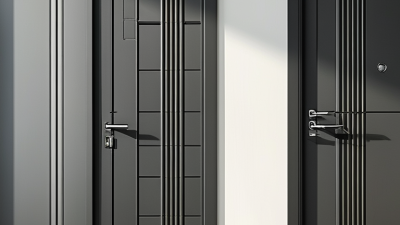
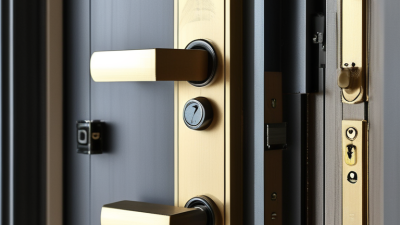
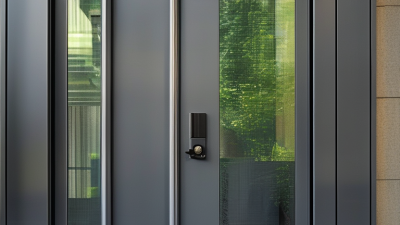
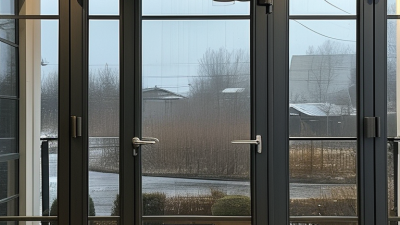
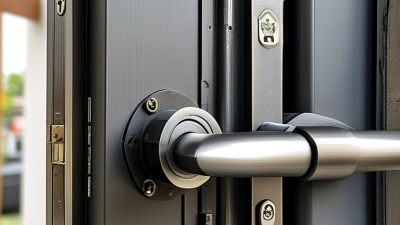
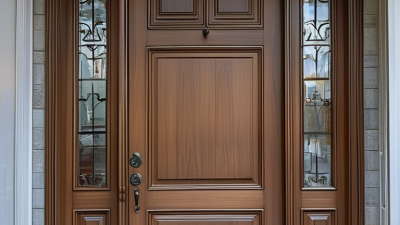
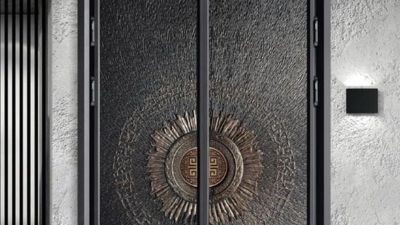
Picking out the right aluminum entry door is about more than just comparing colors or pricing in a catalog. You’ve got to take into account things like thermal performance, security, how it handles weather, the glass options, and the quality of installation. A good-looking door can really spruce up your entrance and help cut down drafts around the frame. But here’s the thing: not every attractive model performs equally well, especially in tougher climates.
Usually, your best bets are thermally broken aluminum doors, insulated panel designs, glass-paneled options, or custom oversized doors. Thermally broken frames are great because they help limit heat transfer from outside to inside, keeping your space more comfortable. Insulated panels add privacy and make for a solid visual barrier. When it comes to glass, choices like clear, frosted, or laminated can totally change the look and feel while also influencing security. Just a heads-up: a beautiful glass door might not be as private as you think.
It’s smart to work with an experienced Aluminum Entry Door Supplier. They should provide clear details on specs, finish samples, hardware options, and help guide you through the installation process. Don’t forget to ask about things like how durable their powder-coating is, how the drainage works, hinge capacity, weather seals, and what warranties are available. Also, check what local building codes require before placing your order. When it comes to projects in coastal areas, places with heavy rain, or regions with lots of temperature swings, real-world experience makes all the difference. A trustworthy supplier will be honest about what’s feasible rather than promising perfection—that’s something you’ll definitely appreciate.
This guide takes a look at some of the top aluminum entry doors, comparing their performance, looks, how much upkeep they need, customization options, and overall value over time. It also looks at practical stuff like whether the threshold fits your existing flooring and if replacement parts will still be easy to find down the line. Keep in mind, you might have to juggle between slim sightlines, insulation, your budget, and security. And honestly, the most expensive door isn’t always the best choice. Usually, it’s about finding the one that truly fits your building setup, climate conditions, how you use it daily, and the specifics of your installation.
In the end, choosing the right door is all about balancing these factors to find what works best for you—no cherry-picking based solely on looks or price.
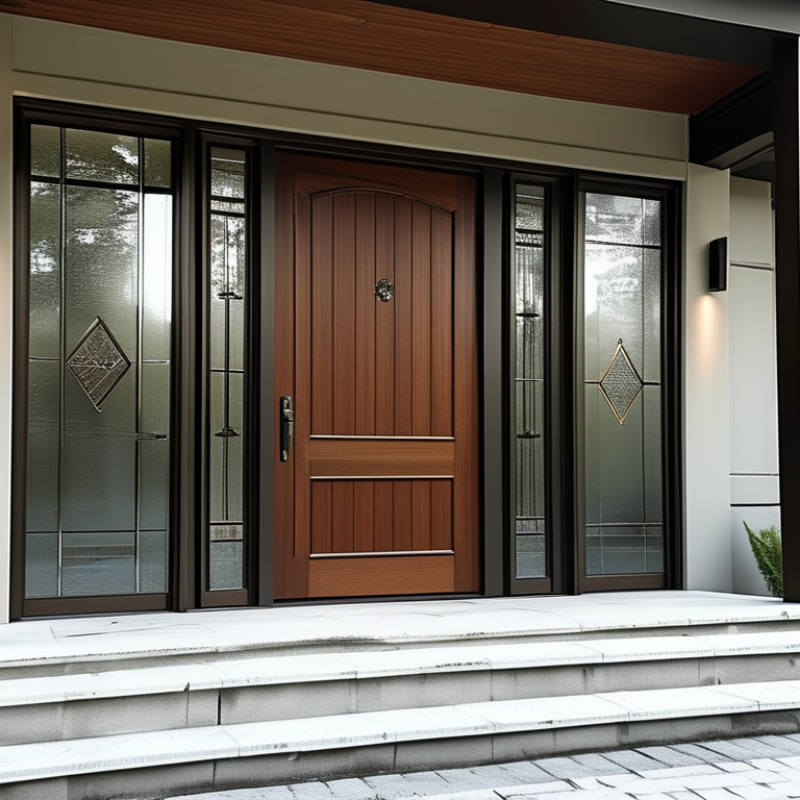
Aluminum entry doors are not one uniform product. Buyers should match the door type to climate, security expectations, and daily traffic. Thermally broken hinged doors suit most homes. Their insulating barrier reduces heat transfer through the frame. Solid-panel designs offer privacy and fewer glass-related heat concerns. Glazed doors bring daylight, but require careful glass selection.
Pivot doors create a wide, dramatic opening for modern homes. However, their hardware needs precise installation and regular adjustment. Sliding aluminum doors work well where space is limited, although their seals can demand more maintenance. For coastal properties, powder-coated finishes and corrosion-resistant hardware deserve close inspection. These details often matter more than appearance.
The U.S. Department of Energy reports that windows can account for 25–30% of residential heating and cooling energy use. A large glazed entry door should therefore be evaluated similarly. Ask for NFRC-rated U-factor, solar heat gain coefficient, and air-leakage results. Lower U-factor generally indicates better insulation, while solar performance depends on climate and orientation. ENERGY STAR guidance also supports checking certified performance rather than trusting sales language alone. No door is perfect. A heavily insulated model may feel less transparent and more expensive. I would also question unusually low prices, because weak installation can undermine a strong frame. Door performance depends on the threshold, wall connection, weatherstripping, and installer skill, not aluminum alone.
Typical thermal performance comparison for major aluminum entry-door configurations. Lower U-factor values indicate better insulation.
Thermally broken and insulated aluminum doors are generally better suited to buyers prioritizing energy efficiency, while standard aluminum doors are commonly selected for budget-focused or mild-climate projects. Values shown are indicative midpoints of commonly published specification ranges and can vary with glazing, panel construction, frame size, and testing method.
When comparing aluminum entry doors, study the material before admiring the finish. A thermally broken frame separates exterior aluminum from interior aluminum with an insulating strip. This reduces heat transfer around the doorway. Standard aluminum frames can feel cold indoors during winter. Look for recycled-content details, but verify the stated percentage in the product documentation.
Construction quality matters just as much. A reinforced frame should resist twisting when the door closes. Multi-point locking hardware can improve compression against the weather seal. Check the hinge attachment, corner joints, and threshold design carefully. Small gaps often reveal weak assembly. They also invite drafts and water.
Glass selection deserves attention. Double glazing improves comfort, while low-emissivity coatings can limit unwanted solar heat. In windy areas, ask for tested air-infiltration and water-penetration results. A lower U-factor usually indicates better insulation, but installation still affects performance. Even an excellent door can fail with an uneven sill or poorly sealed perimeter.
Powder-coated surfaces generally resist peeling better than basic liquid paint. However, color can fade under intense sunlight. That detail is easy to overlook. I once saw a well-built door perform poorly because the installer left foam gaps behind the trim. The product was not the only problem. Buyers should compare frame depth, gasket quality, drainage paths, and installation warranties, not just appearance or price.
Aluminum entry doors can improve energy efficiency when they include a thermal break and insulated core. These features reduce heat transfer around the frame, especially during freezing winters or hot afternoons. Look for low-emissivity glass and well-fitted weather seals. A door may look solid, yet a small gap beneath it can waste noticeable energy.
Security depends on more than a heavy panel. Choose reinforced lock areas, durable hinges, and a multi-point locking system when suitable. Tempered or laminated glass can add resistance and reduce injury risk if broken. Weather resistance also matters. Powder-coated aluminum handles rain, sunlight, and coastal moisture better than many untreated finishes. Still, no coating is maintenance-free.
Tips: Ask an Aluminum Entry Door Wholesaler for thermal-break details, air-leakage ratings, and installation guidance. Check the threshold before ordering. It should meet the floor cleanly without creating a trip edge. Inspect seals every season and replace compressed weatherstripping. My practical concern is simple: buyers often compare door prices but ignore installation quality. Even a well-engineered door can perform poorly when the frame is uneven or the sealant is incomplete. Request written performance data and confirm local building requirements before purchase.
Choosing an aluminum entry door starts with the home’s architecture and daily demands. A flush slab suits modern walls, while a narrow-glass door adds privacy and daylight. Traditional homes often benefit from framed panels and subtle moldings. The style should feel intentional, not oversized.
Finish affects both appearance and maintenance. Powder-coated surfaces offer consistent color and resist ordinary moisture, while textured finishes can hide fingerprints near the handle. Dark tones look elegant, but they may show dust and heat more clearly. I once underestimated how visible street dust becomes on a matte black door. Details matter.
Glass selection changes comfort and security. Low-emissivity insulated glass can reduce heat transfer, while frosted or reeded glass softens views without eliminating daylight. Clear glass feels open, yet it may expose an entryway at night. Consider laminated options for added impact resistance, especially near busy walkways. Keep it practical.
Customization may include sidelights, transoms, concealed closers, hardware colors, threshold heights, and accessibility adjustments. A reliable Aluminum Entry Door Manufacturer should explain thermal breaks, drainage paths, weatherstripping, finish warranties, and tested performance. Ask for sectional drawings, not only attractive photographs. Measure twice. Professional installation also matters, because a small frame error can cause drafts, rubbing, or uneven locking. Some custom details sound useful but add cost without improving daily use, so review each choice against climate, budget, and maintenance habits.
Choosing an aluminum entry door involves more than comparing styles. Installation determines much of its real performance. The frame opening should be square, level, and structurally supported before the door arrives. Installers should leave the manufacturer-specified clearance, apply compatible flashing, and seal the perimeter continuously. Small gaps at the sill can invite wind-driven rain.
Thermal performance deserves attention. The U.S. Energy Information Administration’s 2020 Residential Energy Consumption Survey reported that space heating used about 42% of household energy. A poorly sealed entrance can undermine an otherwise efficient envelope. Look for insulated cores, thermal breaks, and tested U-factor values from the National Fenestration Rating Council. An Aluminum Entry Door Factory should provide test documentation, installation drawings, and hardware-load requirements, not vague performance claims.
Maintenance is simple, but not optional. Inspect weatherstripping twice yearly, especially after winter. Clean the threshold with mild soap and water, then check drainage paths for grit or insects. Hinges may need a compatible lubricant, while loose screws should be tightened before the frame shifts. Avoid abrasive pads; they can dull protective finishes. Field inspections often reveal one stubborn problem: installers seal the sides but neglect the top corners. That detail is easy to miss. It still matters. Even excellent doors can perform poorly when the opening is rushed or measured inaccurately.
| Door Option | Typical Construction | Best For | Installation Requirements | Energy Considerations | Maintenance Needs | Weather and Security Features | Buyer Rating |
|---|---|---|---|---|---|---|---|
| Thermally Broken Aluminum Door | Aluminum frames with a non-metallic insulating barrier separating the interior and exterior sections. | Cold, mixed, and hot climates where improved indoor comfort is important. | Requires accurate opening measurements, a level and square frame, perimeter flashing, sill drainage, and proper insulation around the frame. | Generally provides better resistance to heat transfer and condensation than non-thermally broken aluminum. | Clean with mild soap and water. Inspect weatherstripping, drainage paths, hinges, and hardware at least once a year. | Can support multi-point locks, insulated glass, reinforced hinges, and adjustable weather seals. | ★★★★★ |
| Insulated Aluminum Panel Door | Aluminum exterior skins surrounding a foam-insulated or honeycomb-style core, usually with a solid appearance. | Homeowners seeking privacy, durability, and a lower-glass entry design. | Needs a structurally sound opening, correctly sized hinges, a properly supported threshold, and sealed joints around the frame. | The insulated core can reduce heat flow, although performance depends on the panel, frame, glass area, and installation quality. | Wipe the surface periodically and check sealant, weatherstripping, threshold adjustment, and fasteners for wear. | Offers good privacy and can be paired with reinforced lock areas and impact-resistant hardware. | ★★★★☆ |
| Aluminum-and-Glass Entry Door | Aluminum frame combined with single, double, or laminated insulated glazing. | Modern entrances where daylight and exterior visibility are priorities. | Requires careful glass handling, accurate shimming, compatible glazing seals, drainage, and protection from frame movement. | Double glazing, low-emissivity coatings, and insulated frames can improve efficiency compared with clear single glazing. | Clean glass with a non-abrasive product. Inspect gaskets, glazing seals, frame joints, and hardware for leaks or deterioration. | Laminated or tempered safety glass improves safety; privacy glass and solar-control glass are available options. | ★★★★☆ |
| Flush Aluminum Slab Door | Simple flat aluminum door leaf with minimal decorative detailing and a separate frame system. | Contemporary residential or light commercial entrances with a clean, simple appearance. | Requires a properly aligned frame, adequate hinge support, a level threshold, clearance checks, and continuous perimeter sealing. | Energy performance varies widely; an insulated slab and thermally improved frame are preferable for conditioned spaces. | Low routine maintenance. Wash the surface, lubricate hinges and locks when needed, and inspect seals and finish damage. | Few decorative recesses make cleaning easy; security depends mainly on the lockset, hinges, frame, and strike reinforcement. | ★★★★☆ |
| Aluminum Pivot Entry Door | Large door leaf supported by pivot hardware positioned near the top and bottom rather than by conventional side hinges. | Wide, statement-making entrances and larger architectural openings. | Needs a reinforced, accurately level floor and head structure, precise pivot alignment, adequate clearance, and careful waterproofing. | Large leaves and extensive glazing can increase heat gain or loss unless insulated frames and high-performance glass are selected. | Check pivot hardware, fasteners, seals, alignment, and closing action regularly; remove dirt from the threshold and drainage areas. | Provides a wide opening, but proper locking alignment and structural reinforcement are especially important. | ★★★★☆ |
| Aluminum Storm or Screen Entry Door | Lightweight aluminum frame with insect screen, ventilating panel, or interchangeable glass panel. | Ventilation, seasonal protection, and reducing direct exposure of the main entry door. | Must be fitted over a compatible exterior frame with correct reveals, secure fasteners, a functioning closer, and a sealed mounting surface. | Usually supplements rather than replaces the insulation and weather resistance of the primary entry door. | Clean screens and tracks, tighten hardware, inspect the closer, and replace damaged mesh or seals. | Can improve ventilation and provide an additional barrier, but it is not a substitute for a certified security door. | ★★★☆☆ |
Buying an aluminum entry door starts with the full cost, not the showroom price. Compare the door, frame, sill, locks, delivery, and installation separately. A low quote may exclude weather sealing or interior trim. Ask for a written, itemized estimate. It prevents unpleasant surprises.
Quality appears in practical details. Look for a thermally broken frame, insulated panels, adjustable hinges, and compression weatherstripping. These features can reduce drafts near the threshold during winter. Check the door’s U-factor and air-leakage rating when available.
Finish quality also matters. Powder coating should look even, without thin corners or visible scratches. An Aluminum Entry Door Company should explain maintenance, drainage, hardware adjustment, and warranty limits clearly. Vague answers deserve caution.
Tips: Compare at least three estimates. Touch the sample surface. Open and close the door several times. Ask how replacement parts are supplied after installation. Calculate long-term value by considering energy loss, repainting, repairs, security hardware, and expected service life. The cheapest option is not always economical. I have found that buyers sometimes overvalue decorative glass and undervalue the frame. That judgment can change after the first cold season. Also, online reviews help, but they may reflect installation problems rather than door quality. Check independent project photos and request local references where possible. Test the threshold with a flashlight at night. Small gaps become obvious.
Inspired by the grandeur of British royal architecture, this luxury UK Royal Style armored door creates a distinguished entrance for residences that value elegance, craftsmanship, and lasting security. Its precision-cast aluminum surface showcases refined Victorian-inspired details, including crown motifs, heraldic shields, griffin reliefs, and oak leaf wreaths. Each decorative element is shaped to express aristocratic character while maintaining clean, modern proportions suitable for contemporary villas, estates, and grand private residences.
Beneath its ornamental exterior, a reinforced armored structure provides dependable protection and enhanced resistance against forced entry and ballistic threats. Strong internal layers, durable hardware, and carefully engineered framing work together to support stability, security, and long-term performance. The cast aluminum construction also offers excellent resistance to corrosion and changing weather conditions, helping preserve the door’s appearance through the seasons.
Designed as more than a practical entrance, this grand security door becomes an architectural statement. Its commanding presence, rich relief work, and tailored finish can complement stone façades, classical columns, or modern luxury exteriors. Combining royal-inspired artistry with advanced protective construction, it offers homeowners a confident balance of noble style, structural strength, and everyday peace of mind.
: Choose a thermally broken aluminum frame. An insulating strip separates exterior and interior metal, reducing heat transfer. Standard frames may feel cold indoors during winter.
Check reinforced frames, hinge attachments, corner joints, and threshold design. Small gaps suggest weak assembly. They can also admit drafts and water.
It can improve compression against the weather seal. Check whether the locks close evenly. Uneven locking may indicate frame or installation problems.
Double glazing improves comfort. Low-emissivity glass limits unwanted solar heat. Frosted or reeded glass provides privacy while preserving daylight.
Request tested air-infiltration and water-penetration results. A lower U-factor usually suggests better insulation. Installation still matters greatly.
Powder-coated surfaces usually resist peeling better than basic liquid paint. Textured finishes can hide fingerprints near the handle. Dark colors may show dust and heat.
Consider sidelights, transoms, concealed closers, hardware colors, and threshold heights. Accessibility adjustments may also help. Some decorative details add cost without improving daily use.
An uneven sill can cause drafts, rubbing, or poor locking. Foam gaps behind trim can reduce performance. I once blamed the door too quickly.Measure twice.
Choosing the right Aluminum Entry Door requires balancing design, performance, and long-term value. Buyers can compare options such as single, double, sliding, or thermally broken doors according to their space, climate, and usage needs. Important construction details include aluminum alloy quality, frame strength, insulation cores, weather seals, hinges, and locking systems. Energy-efficient designs can help reduce heat transfer, while durable finishes, reinforced structures, and multi-point locks improve security and resistance to wind, rain, and corrosion.
Style and customization also play an important role. Buyers may select different colors, surface finishes, glass types, panel patterns, and hardware to match a property’s appearance. Before purchasing, confirm accurate measurements, wall conditions, threshold design, drainage, and professional installation requirements. Maintenance is generally simple but should include regular cleaning, seal inspection, hardware checks, and timely finish repairs. Finally, evaluate the full cost rather than only the initial price, considering material quality, installation, energy performance, expected service life, warranty terms, and future maintenance.