Leave Your Message
Submit Message
Call: +8615878811461
Email: windowsdoors@dejiyp.com
WhatsApp Live Chat
Need Live Support?
Chat With Us Now
0%

Across the globe, construction teams are rethinking entrance systems more than ever before, thanks to rising energy costs, climate concerns, and the push for better material accountability. According to the International Energy Agency, buildings and construction account for roughly 30% of the world’s final energy use and around 26% of energy-related emissions. So, choosing the right doors isn’t just about looks anymore — it’s about performance and sustainability too. Picking a solid Commercial Aluminum Door can really make a difference, helping to create efficient building envelopes, durable access points, and maintaining consistent standards no matter where your project is located.

Aluminum is a pretty popular choice because it hits a good balance — it's strong but lightweight, resists corrosion, and offers lots of design options. The International Aluminium Institute even says that recycled aluminum takes around just 5% of the energy that primary aluminum production needs. That’s a pretty big deal if you’re aiming to have a lower environmental footprint. Of course, it all depends on how well the recycling systems work locally — recycling alone doesn’t automatically mean it’s sustainable. Things like thermal breaks, insulated glazing, reliable gaskets, and proper installation also play huge roles in how well those doors perform. Sometimes, it’s the little details that make all the difference.

The U.S. Department of Energy’s reports echo this, pointing out how crucial windows and doors are for controlling heat transfer, preventing air leaks, and keeping occupants comfortable. When you’re designing projects across different climates, it’s not enough to just pick a nice-looking door — you really need to base your choices on climate data, tested performance, and how easy it will be to maintain. Standards from ASTM International and European EN docs are helpful guides, but they don’t replace the need for tailored, engineering-specific solutions. A hospital by the coast, an airport in the desert, and a tall office building all have unique needs — one size definitely doesn’t fit all. That can be a bit frustrating, but ignoring these differences can lead to costly mistakes. So, when selecting a Commercial Aluminum Door, make sure it’s backed by proper testing, clear lifecycle info, skilled manufacturers, and honest after-sales support. The best choice isn’t always the cheapest or the prettiest — it’s the one that stays reliable when weather, foot traffic, and maintenance get tough.
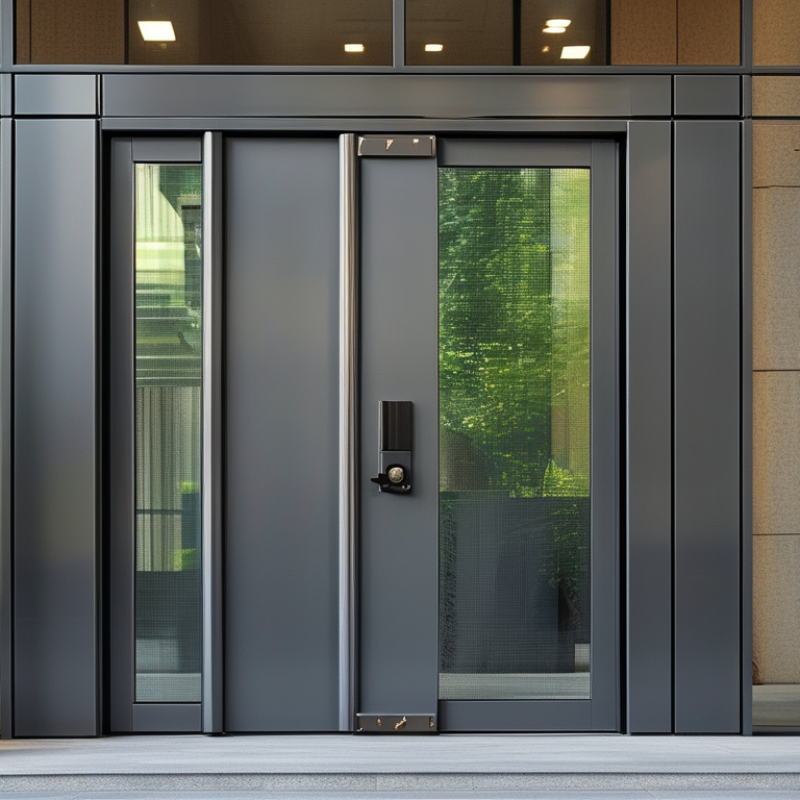
Why Choose a Commercial Aluminum Door for Global Projects?

What Defines a Commercial Aluminum Door?

A commercial aluminum door is more than a metal panel and hinges. It is a tested entrance system, usually combining aluminum framing, insulated glass, seals, thresholds, closers, and security hardware. Its performance depends on the complete assembly. A strong frame can still fail when poor seals allow wind-driven rain or uncontrolled air leakage.

In global projects, specifications often reference FGIA standards, ASTM test methods, and NFRC 100 for thermal performance. These references help teams compare U-factor, air leakage, water resistance, and structural pressure. The IEA’s Buildings 2023 report states that buildings use about 30% of global final energy. Therefore, thermal breaks and low-emissivity glazing deserve serious attention, even in a busy entrance. The International Aluminium Institute also reports that recycled aluminum can require about 95% less energy than primary aluminum. That supports circular design, but recycled content alone does not guarantee a reliable door.

Tips: Confirm local wind loads, drainage details, glass requirements, and hardware compatibility before fabrication. Ask for test evidence, not attractive drawings. On site, check frame alignment and gasket compression. Small installation errors can undermine excellent engineering. Thermal performance is often treated as the main goal. That is incomplete. Accessibility, impact resistance, maintenance access, and replacement parts matter too. A lighter door may feel efficient, yet frequent adjustment can become expensive.

How Aluminum Doors Meet Global Project Requirements

Global projects demand doors that perform across climates, codes, and daily traffic. Aluminum supports this balance. It resists corrosion in coastal air and remains stable under strong sunlight. With proper thermal breaks, it can also reduce heat transfer through the entrance assembly. The UNEP Global Status Report for Buildings and Construction states that buildings used about 30% of global final energy in 2022. Door performance therefore deserves attention, even in a small opening.

A Commercial Security Door should combine reinforced frames, reliable locking points, impact-resistant hardware, and tested glazing. Project teams should request evidence for air leakage, water penetration, thermal performance, and forced-entry resistance. EN 1627 and ASTM standards may apply, but local requirements still control approval. The International Aluminium Institute reports that recycled aluminum requires about 5% of the energy used for primary aluminum production. That supports material efficiency, especially when profiles can be reused.

Tips: Check threshold drainage before approving the shop drawings. Review gasket materials for the local temperature range. Confirm hinge capacity with the final door weight. A poor threshold detail can defeat a strong door. Aluminum is not magic. Salt exposure, incorrect installation, and weak anchoring can still cause early failure. I have seen attractive entrances perform badly because the frame was fixed into unsuitable substrates. This is where experienced site inspection matters.

Why Choose a Commercial Aluminum Door for Global Projects?

How aluminum doors meet global project requirements through adaptable, standards-based clear opening design.

The chart compares minimum clear opening widths referenced by selected accessibility standards: 813 mm under the 2010 ADA Standards, 800 mm in England’s Approved Document M, 800 mm in ISO 21542:2011, and 850 mm under Australia’s AS 1428.1. Aluminum door systems can be configured with different frame profiles, hardware, and leaf widths to meet these regional requirements.

References: 2010 ADA Standards for Accessible Design, Section 404.2.3; England Approved Document M, Volume 2; ISO 21542:2011; AS 1428.1:2009. Values indicate clear opening width, not overall door leaf width.

Key Benefits of Aluminum in Commercial Construction

Commercial aluminum doors suit global projects because construction sites demand more than attractive entrances. Aluminum offers a strong strength-to-weight ratio, making large door leaves easier to handle and install. Crews can move frames through crowded sites without heavy lifting equipment. This matters in hospitals, offices, schools, and transport facilities.

In commercial construction, durability is practical. Properly finished aluminum resists corrosion in humid coastal air and frequent cleaning. It also supports slim profiles, larger glass areas, and useful daylight. Thermal breaks reduce heat transfer through the frame, while accurate gaskets limit air and water leakage. Good detailing still matters. Engineers should check local wind loads, fire requirements, accessibility rules, and energy targets before specifying dimensions. Poor drainage can defeat a quality system.

From field experience, installation often decides performance more than the material alone. A level threshold, aligned hinges, and carefully sealed joints prevent early service problems. Routine inspection can reveal loose hardware or worn seals before users notice drafts. Details matter. Aluminum is recyclable, but recycling depends on collection and separation practices. It is not a perfect answer. Some projects need heavier materials for impact zones or unusual security demands. That limitation deserves honest consideration during design reviews.

Why Choose a Commercial Aluminum Door for Global Projects? - Key Benefits of Aluminum in Commercial Construction

Evaluation Dimension Typical Aluminum Door Performance Commercial Project Benefit Important Design Consideration
Material Weight Aluminum has a density of approximately 2.70 g/cm³, about one-third that of steel. Easier handling, transportation, installation, and reduced structural load on surrounding walls. Large or high-traffic doors still require correctly sized frames, hinges, closers, and hardware.
Corrosion Resistance Aluminum naturally forms a thin protective oxide layer when exposed to air. Suitable for humid, coastal, and frequently cleaned commercial environments when the finish is properly specified. Anodizing, powder coating, drainage, and isolation from dissimilar metals help improve long-term durability.
Thermal Performance Aluminum conducts heat readily, but thermally broken frames and insulated glazing can significantly reduce heat transfer. Supports energy-efficient entrances and helps improve indoor comfort in conditioned buildings. Performance depends on frame design, glazing, seals, installation quality, and local building-code requirements.
Strength-to-Weight Ratio Aluminum alloys provide useful structural strength while keeping door assemblies relatively lightweight. Enables durable entrance systems with manageable operating forces and efficient installation. Structural calculations are needed for wind loads, impact exposure, door size, and traffic intensity.
Service Life and Maintenance Finished aluminum does not require routine painting in the same way as many exposed steel products. Can reduce repainting work and support predictable maintenance planning. Regular cleaning, seal inspection, hardware adjustment, and drainage maintenance are still necessary.
Design Flexibility Available in multiple profiles, configurations, surface finishes, glazing options, and opening types. Supports storefronts, office entrances, schools, healthcare facilities, retail buildings, and transportation projects. The selected system must match accessibility, security, acoustic, weather, and fire-performance requirements.
Recyclability Aluminum can be recycled repeatedly, and recycling generally requires far less energy than primary aluminum production. Supports circular-material strategies and may contribute to project sustainability targets. Actual environmental impact depends on recycled content, production methods, transport, service life, and end-of-life recovery.
Weather Sealing Modern commercial door systems can use perimeter seals, thresholds, gaskets, and drainage paths to manage air and water exposure. Helps protect interiors and maintain occupant comfort in varying climates. Air, water, and wind performance must be verified for the specific system and regional exposure conditions.
Fire and Life Safety Standard aluminum doors are not automatically fire-rated; specialized tested assemblies are required where fire resistance is specified. Allows aluminum to be used appropriately in many commercial applications while meeting project safety requirements. Confirm fire ratings, smoke-control requirements, exit hardware, and local code approvals before specification.
Global Project Adaptability Aluminum systems can be configured for different glazing types, climate zones, opening directions, and security levels. Provides a flexible basis for standardized specifications across multiple regions. Local wind loads, thermal codes, accessibility rules, seismic conditions, and certification requirements must be checked for every market.

Note: Actual performance varies according to alloy, profile design, finish, glazing, hardware, installation quality, exposure conditions, and applicable local standards.

Design, Performance, and Customization Options

Why Choose a Commercial Aluminum Door for Global Projects?

Design choices influence how a building feels before visitors enter. Commercial aluminum doors offer clean lines, slim frames, and flexible proportions. They suit offices, schools, retail spaces, and transport facilities. A Commercial Glass Door can also increase daylight, improving visibility near busy entrances. Clear, tinted, laminated, and insulated glazing create different visual and performance effects.

Performance depends on more than attractive profiles. Thermal breaks help reduce heat transfer across the frame. Proper seals limit drafts, rain entry, and outdoor noise. Reinforced corners support frequent daily use, especially at hospitals and shopping centers. Experienced installers also check floor levels, opening sizes, drainage paths, and hardware alignment. Small errors become expensive after the façade is sealed.

Customization should follow the project’s climate, traffic, and maintenance plan. Powder-coated finishes can support consistent color across multiple buildings. Door closers, panic hardware, automatic operators, and access controls require careful coordination. Local accessibility and safety requirements must guide every detail. Standards vary by location.

Details matter. Fit matters more.

An attractive specification can still fail during installation. This is where project teams should question their assumptions. A darker finish may absorb more heat, while oversized glass can increase weight and hardware stress. Testing samples on site often reveals problems that drawings miss. Practical review creates a door system that looks refined and performs reliably.

Standards, Safety, and International Compliance

Why Choose a Commercial Aluminum Door for Global Projects?

A Commercial Pivot Door can support global projects when its compliance path is clear. The material offers corrosion resistance, low maintenance, and design flexibility. A 2.4-meter aluminum leaf may look elegant, but its hinges, floor pivot, and frame need engineered load calculations. The International Energy Agency reports that buildings used about 30% of global final energy in 2022. Better sealing therefore matters. Air leakage, thermal breaks, and water resistance should be verified through recognized tests, not appearance.

Standards vary by market. European projects may require performance evidence under EN 14351-1, while fire and smoke applications may involve EN 16034. North American specifications often reference ASTM E283 for air leakage, ASTM E331 for water penetration, and ASTM E330 for structural performance. NFPA 80 may apply to listed fire-door assemblies. A standard name alone proves little. Test reports must match the exact door size, hardware, glass, and installation method. No checklist is perfect. Local amendments can still change the approval route.

Tips: Request reports from accredited laboratories and confirm their validity. Check certificates against the project location and occupancy type. Inspect drainage paths, gaskets, anchors, and threshold levels before delivery. Keep serial records and installation photographs for future audits. A small site mismatch can weaken excellent factory testing. Review the door with the architect, façade consultant, and authority having jurisdiction.

Installation, Maintenance, and Long-Term Value

A commercial aluminum door suits global projects where low weight, corrosion resistance, and reliable operation matter. Installation quality determines much of its long-term value. Site teams should confirm opening sizes, wall conditions, drainage paths, and hardware compatibility before delivery. Aluminum can expand with temperature changes, so installers need suitable clearances and correctly placed anchors. A door that closes smoothly on day one may bind later if movement was ignored.

Tips: Keep frames level and plumb. Use compatible fasteners. Seal joints without blocking drainage holes. Record the installation date and hardware settings. On coastal or humid sites, wipe salt and dirt from exposed surfaces regularly. Inspect hinges, locks, seals, and threshold channels during scheduled maintenance. Small details matter. Do not improvise.

Routine care is usually simple, but it should not be neglected. Mild cleaning agents help preserve the finish, while abrasive tools can leave visible marks. Replace worn seals early; a small gap can admit dust, rain, and unwanted heat loss. In my experience, maintenance teams often focus on the door leaf and overlook the frame. That is a mistake. Compared with a Commercial Steel Door, aluminum may reduce handling effort and corrosion concerns, yet it still needs careful inspection. Long-term value comes from stable performance, fewer interruptions, and easier part replacement. It is not always the cheapest initial choice. That deserves honest review.

FAQS

: Why is aluminum useful for commercial doors?

: Aluminum is lightweight but strong. Crews can move large door frames with less lifting equipment. That saves effort.

Where can commercial aluminum doors be used?

They suit offices, hospitals, schools, retail buildings, and transport facilities. They support busy entrances.

How does aluminum perform in humid or coastal areas?

Proper finishing helps resist corrosion from salt air and frequent cleaning. Regular washing still matters. It is not maintenance-free.

Can aluminum doors improve daylight and appearance?

Slim frames allow larger glass areas and cleaner sightlines. Clear, tinted, laminated, or insulated glass changes performance and appearance.

Do aluminum doors help with energy efficiency?

Thermal breaks reduce heat transfer through the frame. Accurate gaskets limit drafts, rain, and outdoor noise. Poor detailing can weaken these benefits.

What should installers check before fitting the doors?

They should check opening sizes, floor levels, drainage, wall conditions, and hardware compatibility. Frames must remain level and plumb. Small errors become expensive.

What maintenance do commercial aluminum doors need?

Clean exposed surfaces with mild products. Inspect hinges, locks, seals, and threshold channels regularly. Replace worn seals before gaps admit rain or dust.

Are aluminum doors suitable for every project?

No. High-impact zones or unusual security needs may require heavier materials. Oversized glass can also stress hardware. Design reviews should question assumptions.

Conclusion

A Commercial Aluminum Door is a practical entrance solution designed for offices, retail spaces, public buildings, transportation facilities, and other demanding projects. Its lightweight yet strong aluminum frame supports frequent use while offering resistance to corrosion, weather exposure, and everyday wear. For global construction projects, these doors can be adapted to different climates, building functions, security expectations, accessibility needs, and performance requirements. Their balance of durability, low weight, and design flexibility makes them suitable for both interior and exterior applications.

Commercial aluminum doors are available in various configurations, finishes, glazing options, hardware systems, and thermal performance levels, allowing architects and contractors to achieve both visual consistency and functional goals. Proper attention to safety standards, fire considerations, energy efficiency, accessibility, and regional compliance helps ensure reliable project delivery. With professional installation and routine maintenance, aluminum doors can retain their appearance and operation for many years, reducing replacement needs and supporting long-term value throughout the building’s service life.
Ethan

Ethan

Ethan is a dedicated marketing professional with a profound expertise in the high-end doors and windows industry. He plays a pivotal role in promoting innovative products that exemplify quality and craftsmanship. With a keen understanding of market trends, Ethan is committed to providing insightful......
Previous Top Aluminum Door Water Leakage Repair Solutions