Leave Your Message
Need Live Support?
Chat With Us Now
Chat With Us Now
Your front door isn’t just a way in — it’s also kind of a vulnerable spot during crazy windstorms. That’s why an Impact Resistant Glass Entry Door can really make a difference when it’s properly tested and installed. According to the folks at the Insurance Institute for Business & Home Safety, windows and doors are key points that affect how well a building can handle strong winds. Their research even found that if one of these openings fails, it can cause internal pressure to spike and make roof damage worse.
Back in 2024, the National Oceanic and Atmospheric Administration reported billions of dollars in weather and climate disasters across the US—27 billion-dollar events, to be exact. Now, that doesn’t mean every home gets hammered, but honestly, it’s a big wake-up call. Resilient entry systems like impact doors deserve a closer look. A hurricane-impact door usually combines laminated glass, a strong internal layer, reinforced frames, and robust hardware. And there are standards—like ASTM E1886 and ASTM E1996—that help test how well these doors stand up against flying debris and repeated pressure changes.
Details really do matter.
So, even if a door has impact-rated glass, it might lack proper framing or solid anchoring. That’s why installation quality is just as important as the door’s specs. Federal agencies like FEMA recommend continuous load paths and securely securing openings, especially in coastal areas. Homeowners should always check for certifications, design pressure ratings, the thickness of the glazing, and local installation guidelines. These checks might seem like small steps, but they’re actually pretty practical—more than just for looks.
Let’s be real, impact-resistant glass isn’t a magic fix. It won’t stop every hurricane or prevent all damage. It’s not a substitute for a solid roof, a well-sealed garage door, or having a solid emergency plan. But when everything’s engineered just right, a properly installed impact door can offer better protection, fewer dangerous shards of glass flying around, and a bit more peace of mind when you’re at the threshold. That’s why choosing an impact resistant glass entry door isn’t just about looks; it’s about making sure it’s been tested, installed correctly, and that the whole entry system is up to the task.
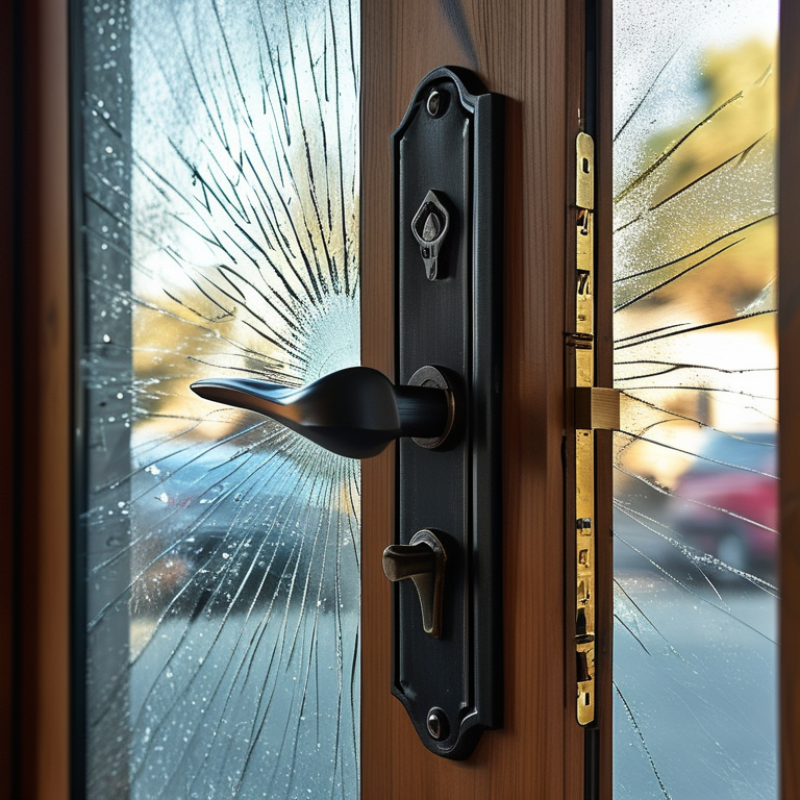
Impact resistant glass entry doors are engineered entrance systems, not simply thicker doors. They usually combine laminated glass, a strong interlayer, reinforced frames, and secure hardware. When struck by windborne debris, the glass may crack but remain bonded to the interlayer. This helps keep the opening closed and reduces dangerous shards inside the home.
They are not unbreakable. That distinction matters. Their performance depends on the complete assembly, including the frame, hinges, locks, and installation method. In coastal areas, trained professionals often check whether the door has passed recognized impact and pressure testing. They also inspect wall connections, because a strong door can still fail if the surrounding structure is weak.
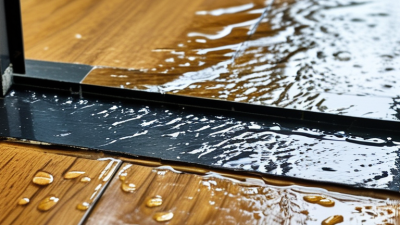
From practical installation experience, small details become important. A properly fitted door should open smoothly without scraping the threshold. Weather seals should sit evenly around the perimeter. Ask for test documentation and maintenance guidance before choosing a system. Some buyers focus only on the glass, which is an understandable mistake, but incomplete. Cleaning products, loose hardware, and damaged seals can affect long-term performance. Regular inspections after severe storms are wise, although many homeowners remember them only after noticing drafts or water marks. Expect protection, not magic.
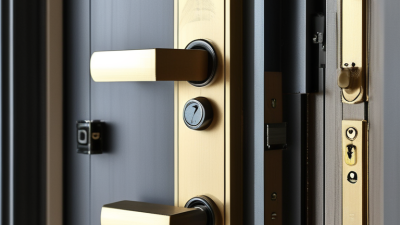
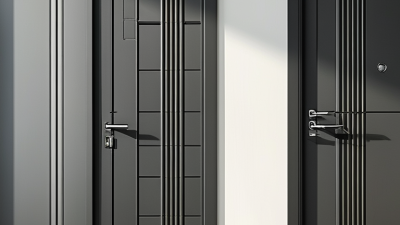
Modern Turkish-style stainless steel security doors combine clean lines, balanced proportions, and practical detailing to create a confident entrance for contemporary buildings. Inspired by Turkey’s evolving door design, this modern simple front door pairs minimalist aesthetics with reliable protection. Its stainless steel surface offers a refined appearance, strong corrosion resistance, and easy maintenance, making it suitable for both interior and exterior applications. The push-and-pull opening design also supports smooth, convenient daily operation.
Built for demanding residential and commercial environments, the steel door leaf uses dual foam and honeycomb paper infilling to improve structural stability, thermal insulation, and sound control. It has a certified 1.5-hour fire rating, while ISO9001 and CE certifications provide added assurance for quality management and market compliance. The design can serve apartment entrances, office buildings, hotel lobbies, villas, and other projects that require a secure yet welcoming front door.
Available with factory-direct pricing and project-oriented support, this Turkish-style security door can be adapted to different architectural preferences, dimensions, and installation requirements. Its combination of durable stainless steel construction, modern simplicity, dependable security performance, and flexible application makes it a practical choice for global construction and renovation projects.
It is designed as a complete system, not merely as thicker glass. Laminated glass uses several bonded layers and a resilient inner interlayer. Cracks may appear, but fragments usually remain attached. The door stays more stable.
The outer surface may crack under impact. The inner layer helps hold broken pieces together. This reduces scattered shards and dangerous openings. It is not unbreakable.
Reinforced aluminum or steel frames transfer impact loads into the surrounding wall. Strong frames support the glass during wind and repeated pressure changes. Poor fitting can weaken the entire assembly. This detail is easy to underestimate.
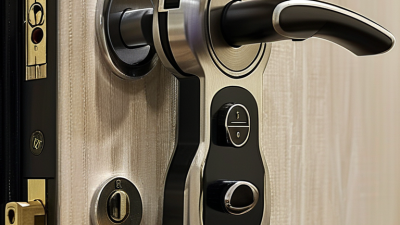
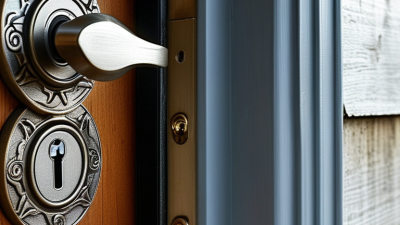
Heavy-duty hinges, multi-point locks, and compression seals support daily performance. Secure hardware can improve resistance against forced entry. Edge seals help reduce drafts and water intrusion. Loose hardware quietly creates problems.
Engineers assess glass, interlayers, frames, fasteners, hinges, and anchors together. They examine thickness, frame strength, seal performance, and anchor spacing. Certification helps, but it cannot replace careful installation. Laboratory conditions are cleaner than real buildings.
Inspect the wall structure and measure the rough opening carefully. Ask for complete system test information, not only glass specifications. Confirm drainage paths and installation requirements. A few millimeters can matter.
Installers must fit the frame squarely and secure anchors correctly. Small gaps along the seal line can admit water. Rushed anchor work may reduce stability during severe weather. I would check the corners again.
Inspect seals, hinges, locks, and drainage paths regularly. Look for loose hardware, cracked seals, or water near the threshold. Different buildings need different protection levels. A coastal entrance may need more weather attention than an urban apartment door.
An Impact Resistant Glass Entry Door combines durable construction, reinforced framing, and specially engineered glass to provide a strong, attractive entrance for modern homes. Unlike ordinary glass doors, it is designed to resist cracking, shattering, and forced impact through layered glass, protective interlayers, and secure hardware. These features can help improve household safety while also supporting protection against wind, flying debris, and severe weather conditions.
In addition to security and weather resistance, these doors can contribute to better energy performance when properly sealed and professionally installed. Insulated glass options and effective weatherstripping may help reduce drafts, maintain more consistent indoor temperatures, and support lower heating and cooling demands. Homeowners should select a door based on local climate, frame quality, glass performance, locking features, installation requirements, and overall design. Regularly inspecting seals, hardware, and glass, along with gentle cleaning and prompt repair of minor issues, can help preserve its appearance, efficiency, and long-term performance.