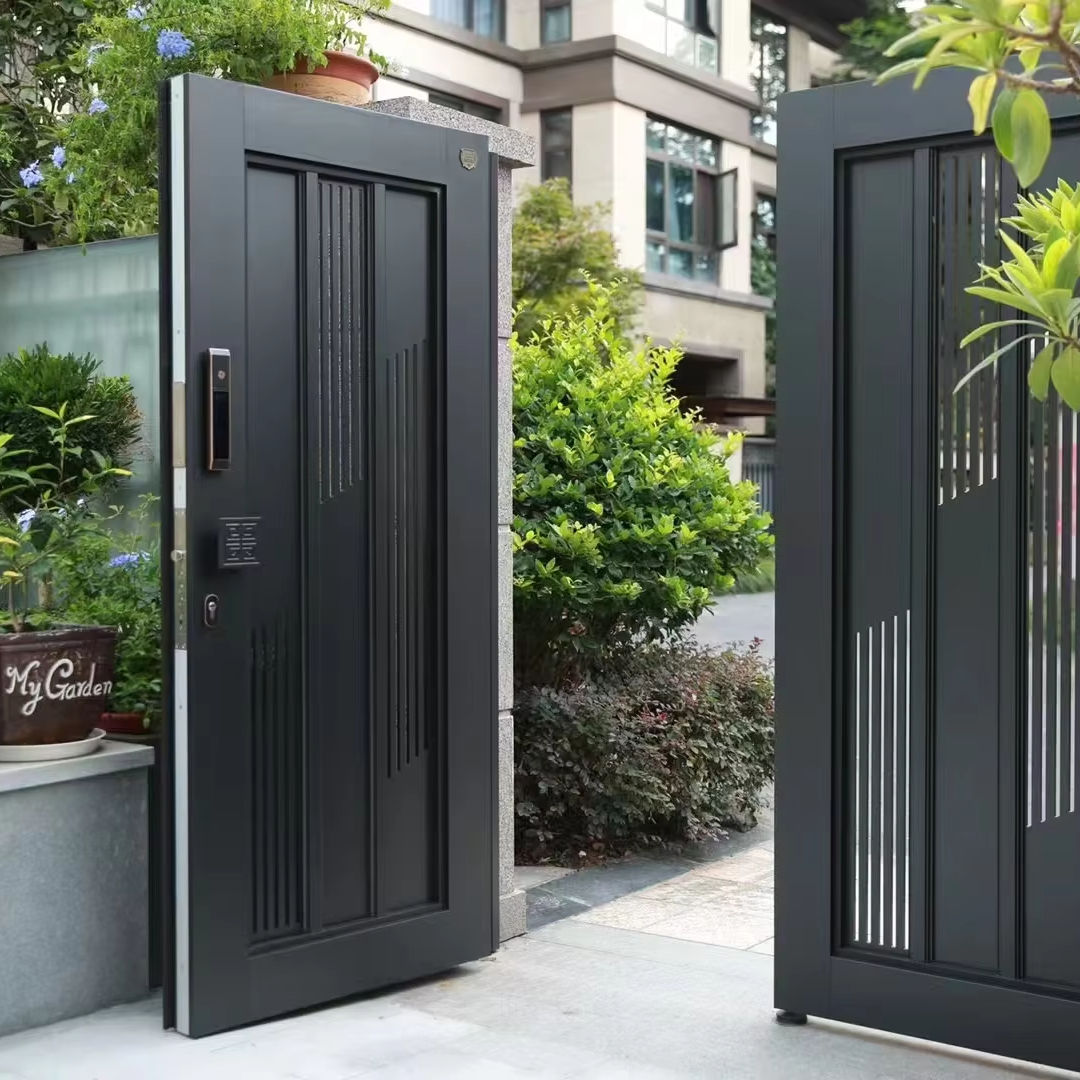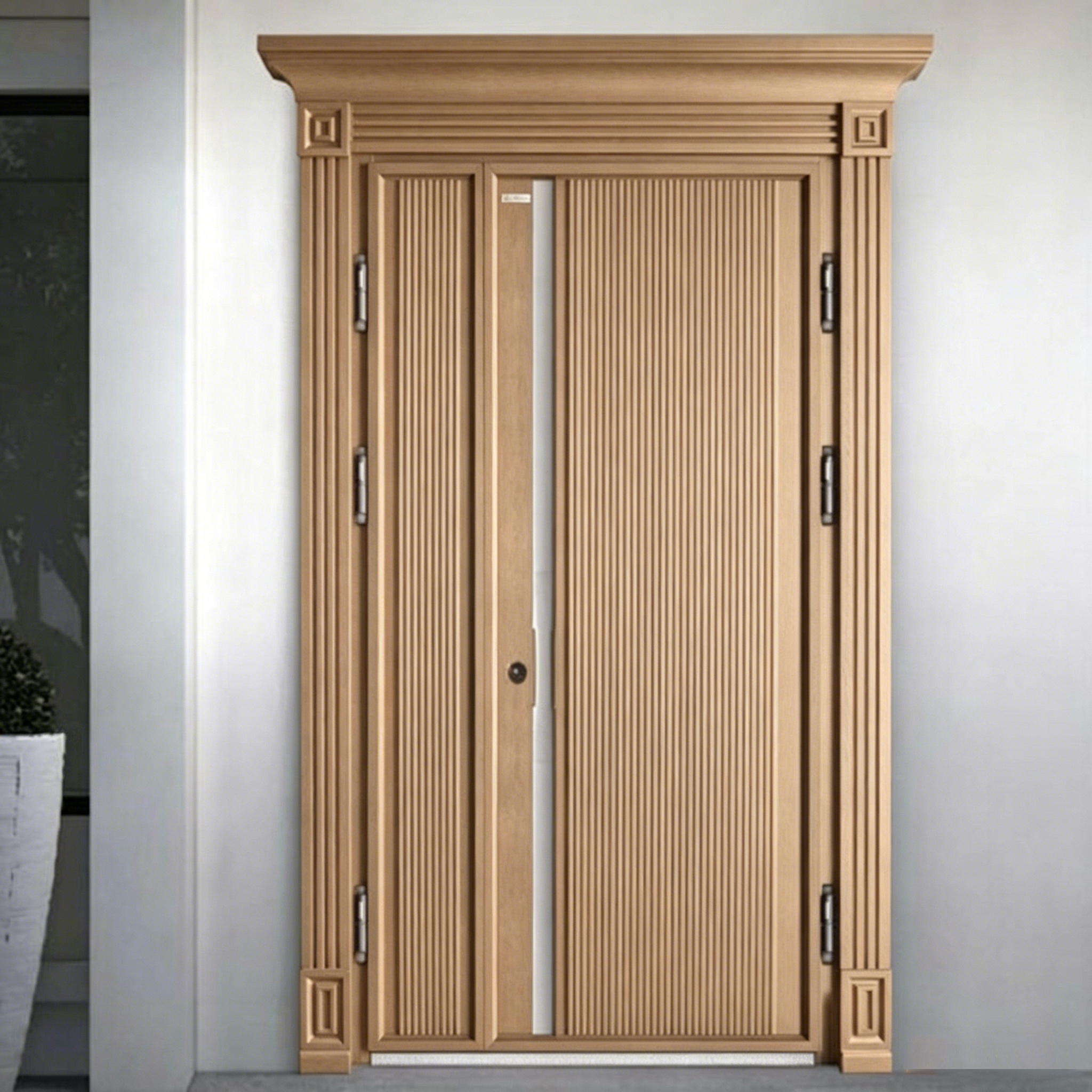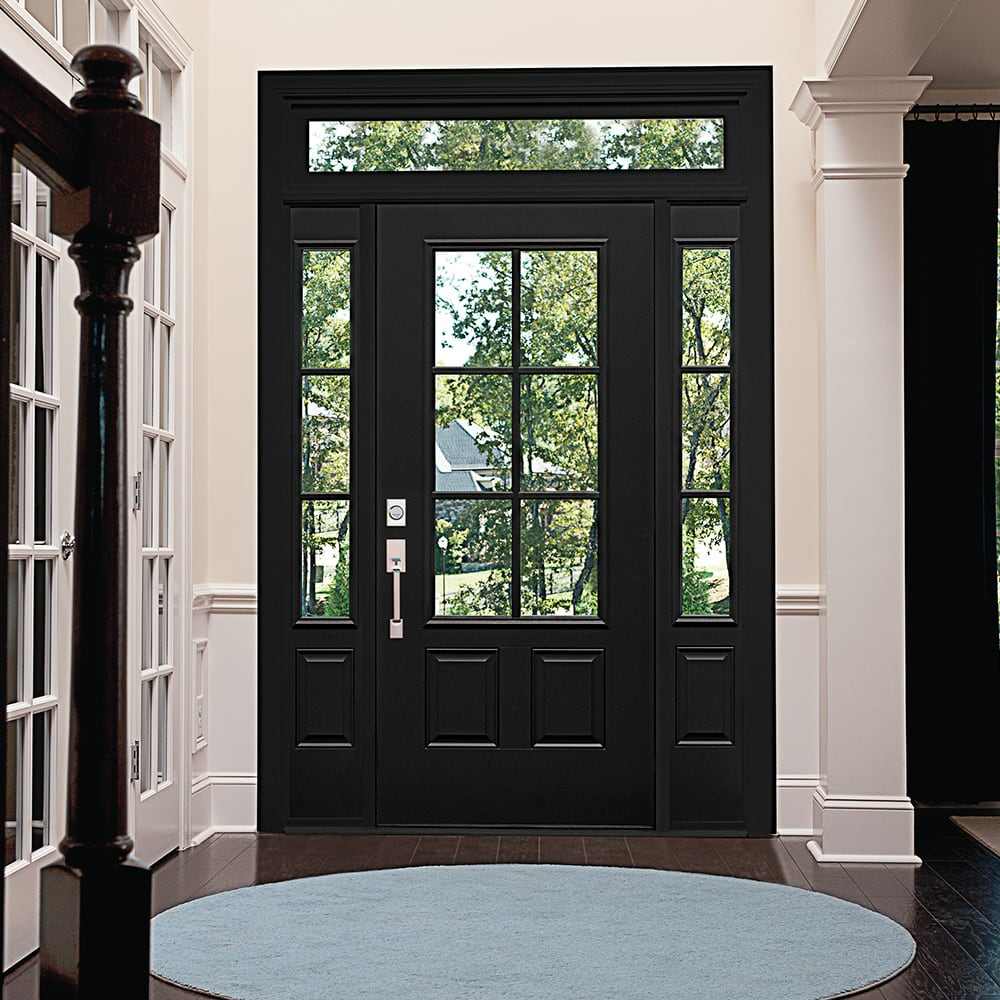
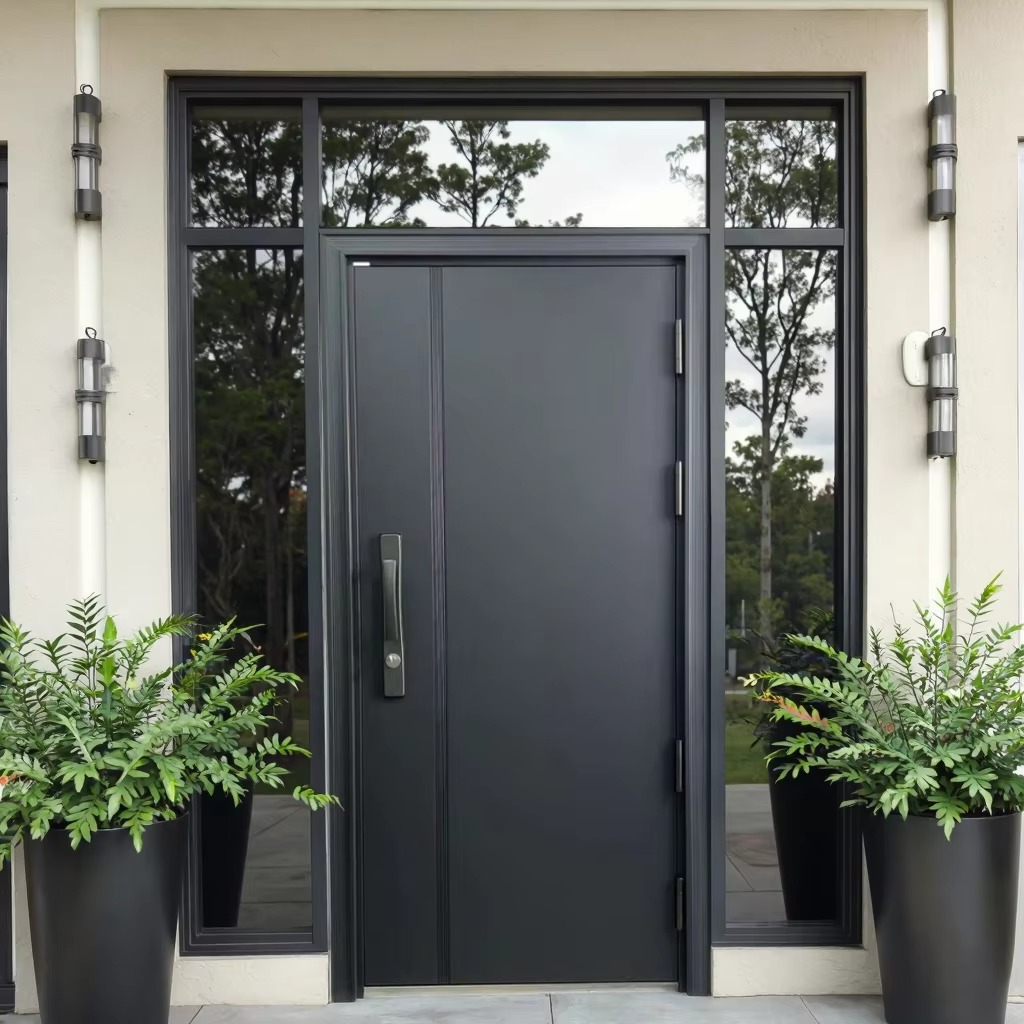
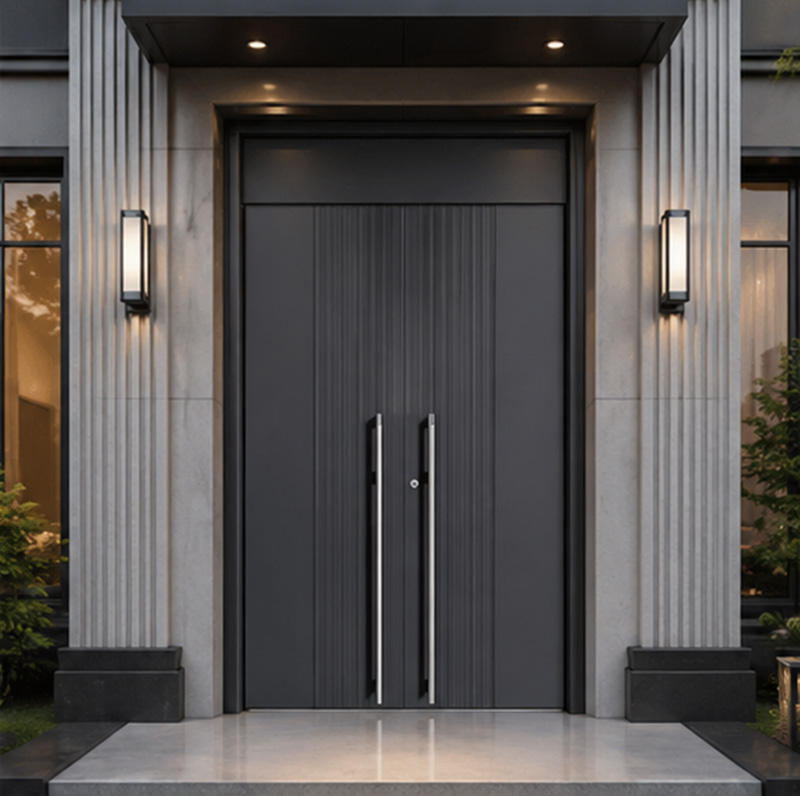
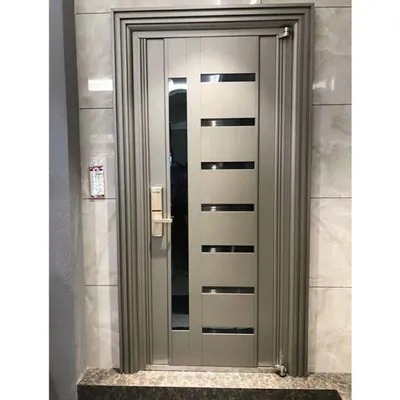
The United Arab Emirates represents one of the world's most dynamic and demanding real estate markets. From the iconic waterfront villas of Palm Jumeirah and the sprawling estates of Emirates Hills in Dubai to the eco-conscious luxury residences of Saadiyat Island in Abu Dhabi, high-end property development is at an all-time high. In this premium sector, the entrance door is no longer viewed as a simple utility; it is a critical architectural focal point, a symbol of prestige, and the first line of defense against both environmental factors and security threats.
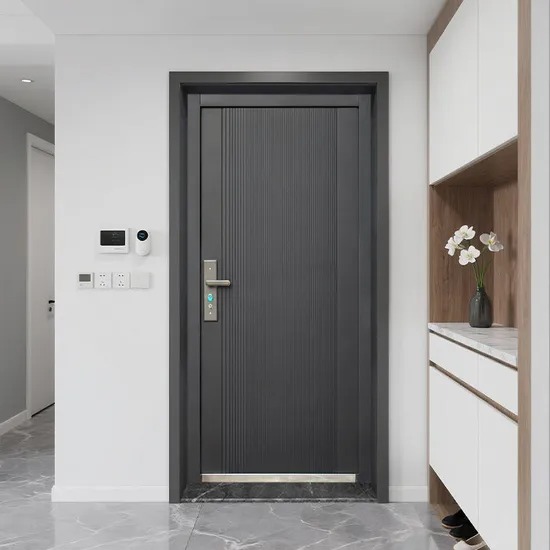
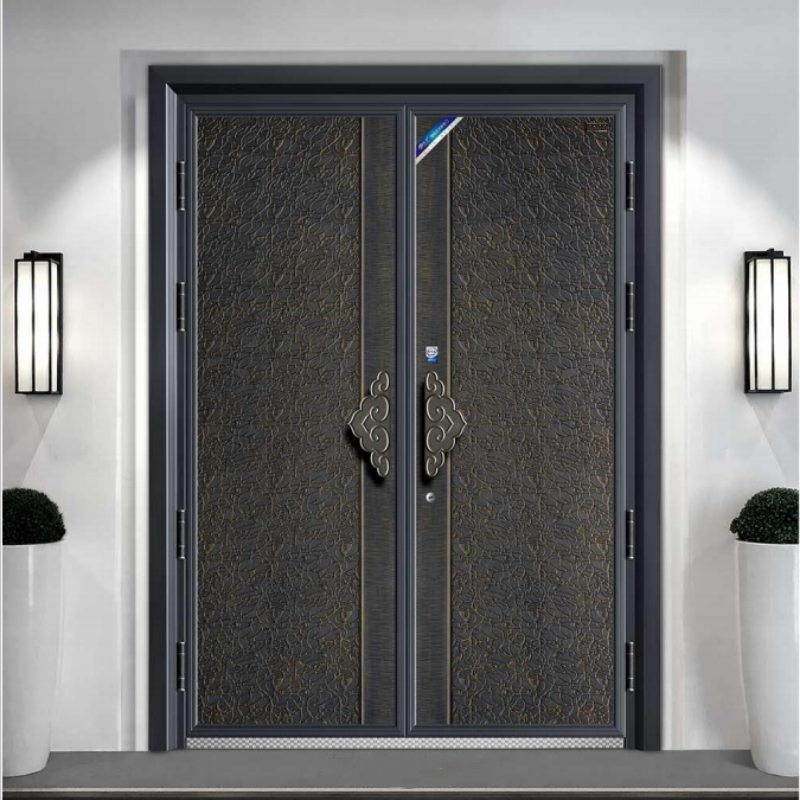
For developers, architects, and private clients in the UAE, sourcing the right entrance doors involves strict criteria. The local commercial landscape is characterized by a shift toward custom-built, oversized doors (such as grand pivot doors) that match the massive scale of modern Arab villas. These structures require heavy-duty engineering to support high-tonnage panels while maintaining effortless, smooth operation. Additionally, the industry has seen a massive surge in smart home integration, where biometric scanners, facial recognition, and automated opening mechanisms must be seamlessly incorporated into the door's frame and handle profiles.
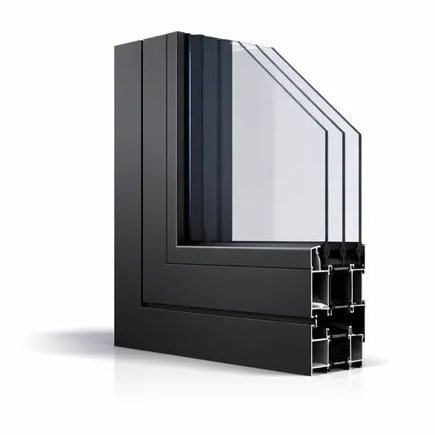
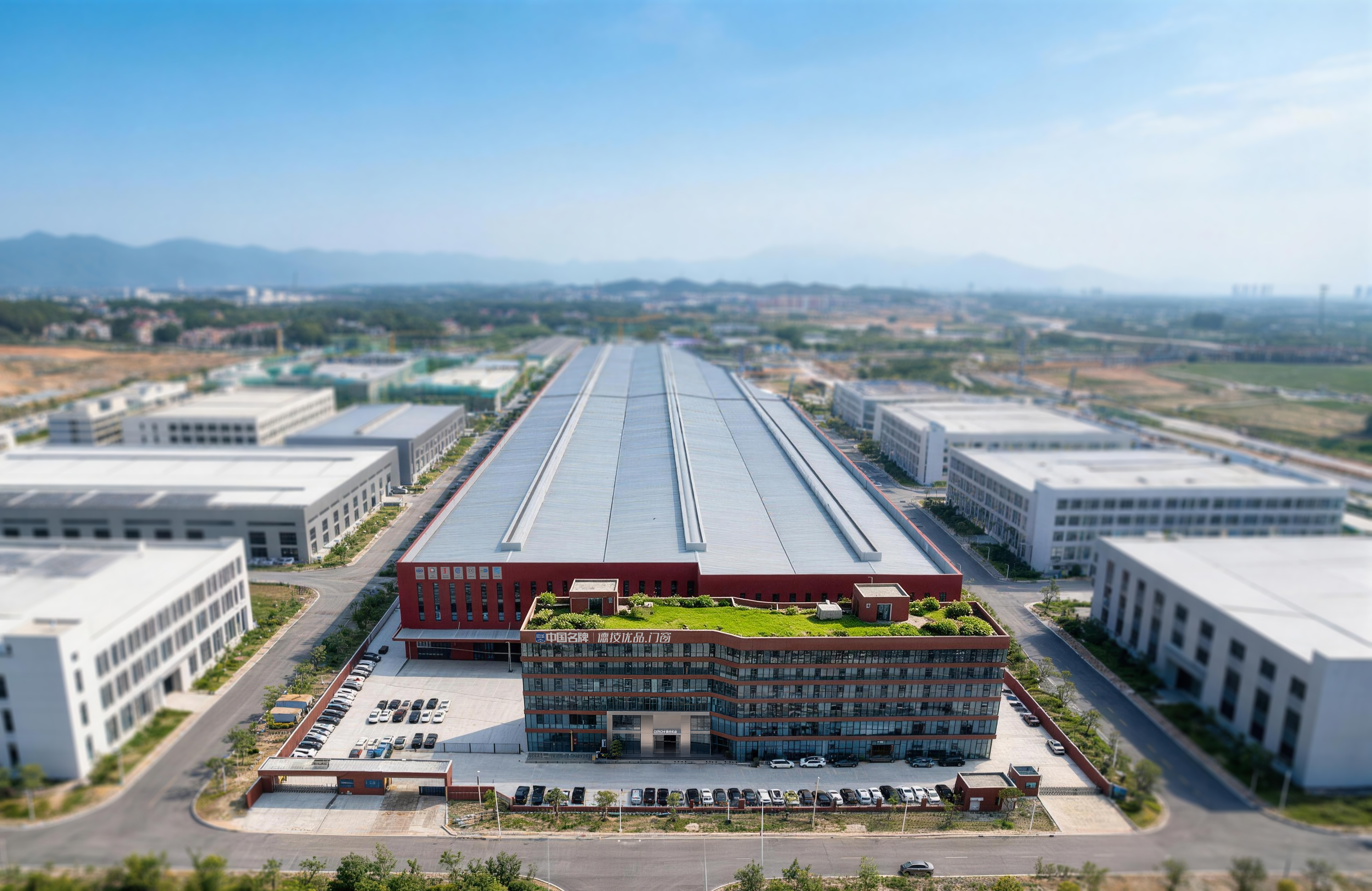
Industrially, the demand is driven by the extreme Middle Eastern climate. With summer temperatures reaching up to 50°C (122°F) and intense solar radiation, doors are subjected to immense thermal stress. Cheap materials warp, expand, and fade within months. As a response, the UAE construction market has established strict regulations regarding energy efficiency and thermal insulation. Developers must source doors with advanced thermal break systems and high U-value performance to comply with green building regulations like Estidama in Abu Dhabi and Dubai Green Building Regulations. DERCHI is positioned at the forefront of this industrial shift, supplying engineered entry doors that withstand thermal expansion while maintaining structural and cosmetic integrity.